

Choosing the perfect lawn starts with understanding the ground beneath your feet. Whether you are dealing with a shaded backyard, a sunny open field, or a high-traffic play area, the health and vibrancy of your lawn depend entirely on selecting the right grass for your specific environment.
With dozens of options available, navigating the world of types of grass can feel overwhelming, but finding the ideal match is the secret to a lush, green landscape that thrives year-round. This comprehensive guide breaks down the 12 most popular lawn grasses, their unique characteristics, and how to determine which one is right for your yard.
| Grass Type | Climate | Lawn Use | Maintenance Level | Key Feature |
| Kentucky Bluegrass | Cool | Residential lawns | High | Dense, lush appearance |
| Perennial Ryegrass | Cool | Sports & lawns | Medium | Fast germination |
| Fine Fescue | Cool | Shade lawns | Low | Shade tolerant |
| Tall Fescue | Cool | Mixed lawns | Low-Medium | Drought resistant |
| Bermuda Grass | Warm | Sports fields | Medium | Highly durable |
| Zoysia Grass | Warm | Home lawns | Medium | Thick growth |
| St. Augustine Grass | Warm | Coastal lawns | High | Heat & humidity tolerant |
| Centipede Grass | Warm | Low-care lawns | Low | Minimal maintenance |
| Bahia Grass | Warm | Large open areas | Low | Very drought-resistant |
| Bentgrass | Cool | Golf courses | High | Smooth texture |
| Carpet Grass | Warm | Poor soil areas | Medium | Easy to grow |
| Creeping Red Fescue | Cool | Shade areas | Low | Spreads naturally |
Understanding the Two Main Categories: Cool-Season vs. Warm-Season
Before diving into specific varieties, it is essential to categorize grasses by growth cycle. Most lawns fall into one of two buckets based on their photosynthetic pathways and temperature preferences.
Cool-Season Grasses
These varieties thrive in northern and coastal climates where summers are mild and winters are cold. They begin active growth in late winter and early spring, often going dormant or slowing down during the heat of mid-summer.
- Peak Growth: Fall and Spring.
- Best For: Northern U.S. and temperate regions.
Warm-Season Grasses
These grasses perform best in southern climates with hot, humid summers and mild winters. They wait for the soil to warm up in late spring before pushing out new growth, then go dormant (turn brown) once temperatures drop in the winter.
- Peak Growth: Late spring through early fall.
- Best For: Southern U.S. and tropical climates.
12 Popular Types of Grass: Characteristics and Uses
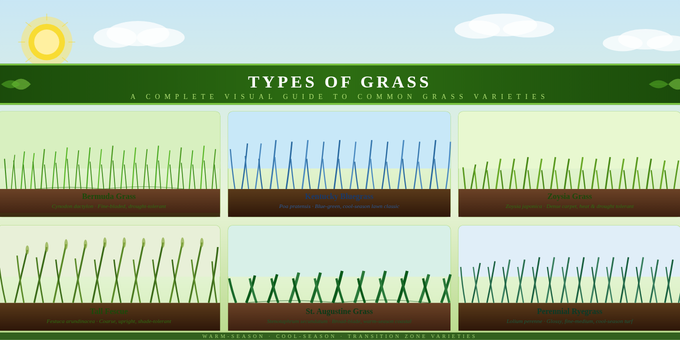
To help you identify the best option for your landscape, we have categorized the 12 most common varieties into cool-season and warm-season groups.
Cool-Season Varieties
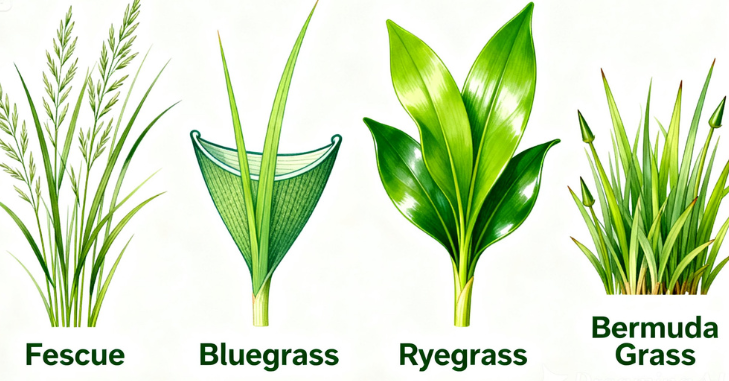
- Kentucky Bluegrass: A northern favorite, known for its deep, rich green color and soft texture. It spreads via underground rhizomes, allowing it to self-repair after damage. It is not very shade-tolerant and requires average to high maintenance.
- Tall Fescue: Renowned for its durability and adaptability. It is a bunchgrass that withstands heavy foot traffic, making it excellent for athletic fields and active family lawns. It stays green longer than many other cool-season grasses.
- Perennial Ryegrass: Famous for its rapid germination and establishment. It creates a dense turf with excellent wear resistance but recovers slowly from damage because it lacks spreading rhizomes. It is often mixed with Kentucky Bluegrass.
- Fine Fescue: A group of grasses (such as Creeping Red or Chewings Fescue) that excel in shade. They have very thin, needle-like blades and require minimal fertilizer and mowing, making them perfect for low-maintenance areas.
- Bentgrass: Commonly found on golf course putting greens. It forms an incredibly dense, fine-textured mat that can be mowed extremely short. It is high-maintenance and requires frequent watering and specialized care.
- Rough Bluegrass: Often used in wet or shaded areas where other grasses fail. It has a light green color and thrives in cool, moist conditions.
Warm-Season Varieties
- Bermuda Grass: The king of high-traffic southern lawns. It is heat- and drought-tolerant, and it recovers quickly from damage. However, it requires a lot of sun and regular mowing to stay in top shape.
- Zoysia Grass: Often called “Japanese Carpet Grass,” it is incredibly durable and forms a dense mat that chokes out weeds. It is slow-growing, which means less mowing, and it handles foot traffic exceptionally well.
- St. Augustine Grass: A Southern favorite with broad, coarse, dark green blades. It is famous for its excellent shade tolerance compared to other warm-season grasses, though it requires regular moisture to stay healthy.
- Centipede Grass: Known as the “lazy man’s grass” because it requires very little fertilization or mowing. It thrives in acidic, sandy soils common in the Southeast but is less tolerant of heavy foot traffic.
- Bahia Grass: A tough, low-maintenance grass that handles poor soils well. It is highly drought-tolerant and is often used for large, expansive areas such as pastures or roadsides, where high-quality aesthetics are secondary to survival.
- Buffalo Grass: A native prairie grass that is extremely drought-tolerant and requires very little water. It has a soft, blue-green color and a low growth profile, making it an excellent choice for eco-friendly, low-water landscapes.
Comparison Table: Choosing Your Grass
| Grass Type | Season | Traffic Tolerance | Maintenance | Shade Tolerance |
| Kentucky Bluegrass | Cool | Medium | High | Low |
| Tall Fescue | Cool | High | Medium | Medium |
| Perennial Ryegrass | Cool | High | Medium | Low |
| Fine Fescue | Cool | Low | Low | High |
| Bermuda Grass | Warm | High | High | Low |
| Zoysia Grass | Warm | High | Medium | Medium |
| St. Augustine | Warm | Low | Medium | High |
| Centipede Grass | Warm | Low | Low | Medium |
Lawn Uses Based on Grass Types
Different types of grass serve different purposes depending on how your lawn is used.
Residential Lawns
For homes, appearance and comfort are key. Kentucky Bluegrass and Zoysia are popular choices.
High-Traffic Areas
For playgrounds or sports areas, durability matters. Bermuda Grass and Perennial Ryegrass perform well.
Low-Maintenance Yards
If you want minimal upkeep, Centipede Grass or Fine Fescue are excellent options.
Decorative Lawns
Bentgrass is often used for ornamental lawns due to its smooth, elegant appearance.
Essential Maintenance Tips for Any Lawn
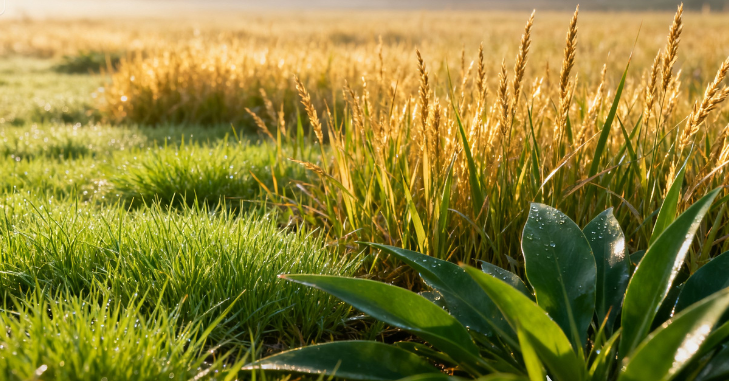
Regardless of which types of grass you choose, consistent care is the key to a healthy lawn.
- Mowing Height Matters: Never cut more than one-third of the grass blade at once. Tall fescue and Kentucky Bluegrass prefer a taller cut (2.5–3.5 inches) to shade the soil and retain moisture, while Bermuda can handle a much shorter cut.
- Water Deeply, Not Frequently: Instead of daily light sprinklings, water your lawn deeply and less often. This encourages roots to grow deeper into the soil, making the grass more drought-resistant.
- Aeration: Over time, soil becomes compacted, preventing air and water from reaching roots. Aerating your lawn once a year (especially for heavy-traffic lawns) keeps the soil loose and the grass thriving.
- Fertilize Wisely: Use a soil test to determine what nutrients your lawn actually needs. Over-fertilizing can lead to excessive growth and thatch buildup.
Common Mistakes to Avoid
Choosing the wrong grass type can lead to disappointing results and unnecessary maintenance challenges. Ignoring climate compatibility can prevent the grass from growing properly, while overwatering or underwatering can damage its health and appearance.
Cutting the grass too short weakens its roots. It makes it more vulnerable to stress, and selecting a high-maintenance variety without enough time for proper care can quickly become overwhelming. Taking a thoughtful and informed approach helps prevent these issues and ensures a healthier, more sustainable lawn.
How to Choose the Right Grass for Your Yard
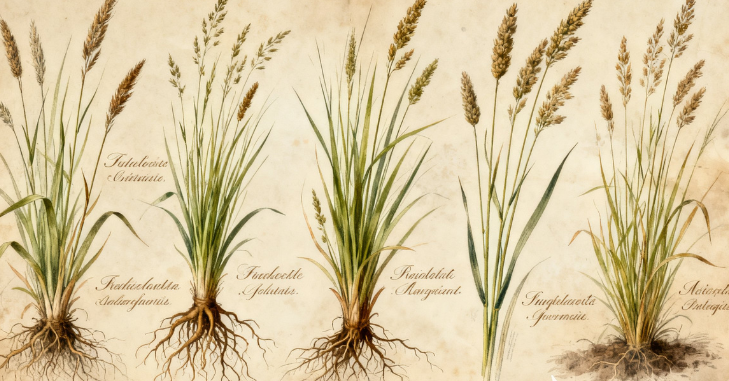
When deciding between these varieties, don’t just pick the one that looks best in a photo. Consider these practical factors to ensure long-term success:
1. Climate and Location
This is your primary filter. If you live in the North, focus on cool-season grasses. If you live in the South, stick to warm-season varieties. Don’t fight your local climate; it is much easier to grow grass that is naturally adapted to your weather patterns.
2. Sun Exposure
Assess your yard’s shade patterns. Does your lawn receive full, blazing sun all day, or is it dotted with large trees? If you have deep shade, grasses like Fine Fescue or St. Augustine are far superior to sun-loving varieties like Bermuda.
3. Intended Use
Are you growing a “showpiece” lawn that nobody walks on, or a playground for kids and dogs? High-traffic areas require wear-resistant, self-repairing varieties like Bermuda, Zoysia, or Tall Fescue.
4. Maintenance Commitment
Be realistic about your schedule. If you want a pristine putting green, you may be happy with the work required for Bentgrass or Bermuda. If you prefer a “set it and forget it” approach, look toward Buffalo Grass or Centipede.
Conclusion
Selecting from the various types of grass is not a one-size-fits-all process. It requires balancing your understanding of your local climate, your yard’s specific lighting conditions, and how you intend to use your outdoor space.
By matching the grass variety to your environment rather than forcing a variety to adapt to your conditions, you set the foundation for a resilient, beautiful lawn that requires less chemical intervention and less constant struggle.
Whether you opt for the low-maintenance ease of Buffalo Grass or the rich, dense carpet of Kentucky Bluegrass, the right choice will reward you with years of green, healthy outdoor enjoyment.
Want to know about Kitchen Renovation Mistakes Homeowners Should Avoid Check out our Home Improvement category.
Frequently Asked Questions (FAQ)
Most grasses need at least 4 to 6 hours of direct sunlight. If your lawn is in deep, dense shade for the majority of the day, even “shade-tolerant” grasses will struggle, and you might consider alternative landscaping like mulch beds or groundcover plants.
If you have a cool-season grass, it may simply be going dormant to survive the heat. If you have a warm-season grass, brown spots might indicate drought, disease, or pest issues rather than dormancy.
Perennial Ryegrass is widely considered the fastest-germinating and fastest-establishing grass. It is often used to get quick results or for temporary cover.
For cool-season grasses, the best time is early fall, when soil temperatures are warm, but the air is cooling. For warm-season grasses, late spring is the ideal time to seed, once all danger of frost has passed and the soil is consistently warm.