

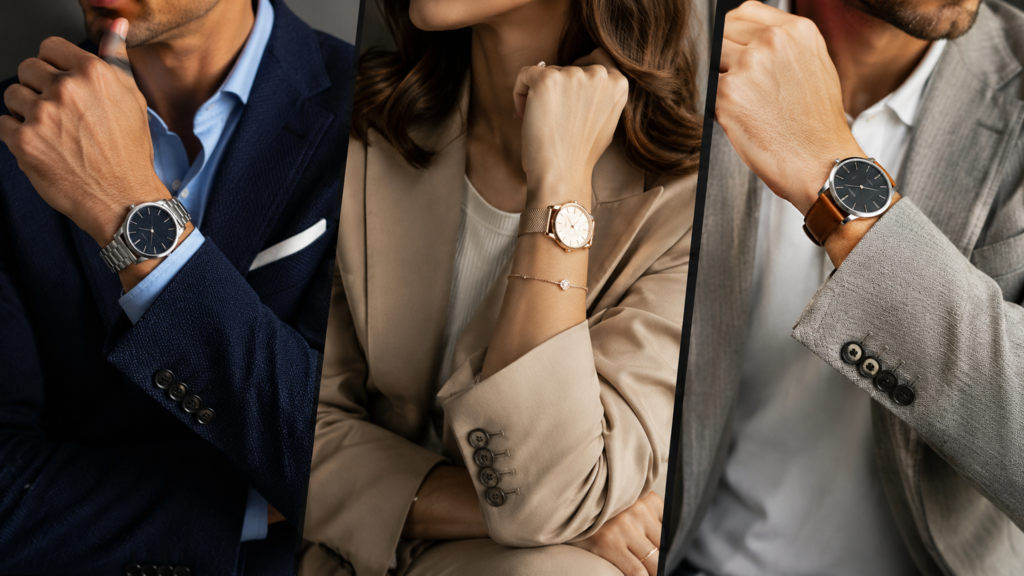
The modern workplace has evolved significantly over the past decade, and dress codes have evolved with it. Strict formalwear has given way to more flexible business casual and smart casual styles that blend professionalism with personal expression. As clothing choices have become more versatile, watches have also taken on a broader role. A watch is no longer just a timekeeping tool; it is now an accessory that communicates taste, professionalism, and lifestyle preferences.
Choosing the right watch for business casual and smart casual outfits involves balancing style, practicality, comfort, and versatility. The ideal timepiece should complement different wardrobe combinations without appearing overly formal or too sporty. This balance can be challenging because workplace expectations, fashion trends, and personal preferences vary widely.
For many professionals, selecting a watch suitable for both office environments and social occasions require careful consideration of materials, colors, case sizes, and overall design philosophy. Some individuals prefer understated elegance, while others seek watches that function as statement accessories. The growing popularity of designer timepieces, including Swarovski watches and the classic Burberry watch aesthetic, reflects the increasing overlap between fashion and functionality in modern accessories.
The same rules of proportion and finish apply across the board, and readers shopping the other side of the counter can start with this guide to finding a Citizen watch among women’s watches before settling on a dial size.
Understanding Business Casual and Smart Casual Style
Before selecting a watch, it is important to understand the difference between business casual and smart casual attire. Although the terms are sometimes used interchangeably, they typically represent slightly different styling approaches.
Business casual generally emphasizes polished and professional clothing without requiring a full suit and tie. Common examples include chinos, dress shirts, knit polos, loafers, blazers, and tailored trousers. Watches suited to business casual environments tend to prioritize refined simplicity and versatility.
Smart casual, by contrast, allows for more personal expression and relaxed styling. Dark denim, lightweight jackets, premium sneakers, and textured fabrics are often incorporated into smart casual wardrobes. Watches for these outfits can be more fashion-forward, experimental, or expressive while still maintaining a sophisticated appearance.
Because many professionals move between office meetings, dinners, travel, and weekend gatherings, the best watch often bridges both categories effectively.
Why Watch Selection Matters in Modern Professional Style
A watch can influence how an outfit is perceived. In professional settings, accessories often communicate attention to detail and personal organization. Unlike loud jewelry or highly trend-driven fashion items, a well-selected watch tends to enhance an outfit subtly.
However, finding the right balance presents several challenges. A watch that appears too formal may feel out of place with relaxed clothing, while a highly sporty or oversized design can undermine a polished appearance in professional settings.
The rise of hybrid work environments has also changed consumer preferences. Many people now prioritize adaptable accessories that transition easily between work, social activities, and travel. This shift has increased demand for versatile watches that combine elegance with everyday wearability.
The Importance of Versatility
Versatility is one of the most important factors when choosing a watch for business casual or smart casual outfits. A versatile timepiece works across multiple wardrobe combinations and occasions without drawing unnecessary attention.
Neutral colors such as silver, black, navy, white, and muted gold tones tend to offer the greatest flexibility. Stainless steel bracelets and leather straps remain popular because they pair well with a wide range of clothing textures and colors.
Minimalist dial designs are particularly effective for professional environments because they create a clean and refined appearance. Watches with excessive complications, bold graphics, or brightly colored accents may limit outfit compatibility.
However, versatility often comes with trade-offs. Highly minimalist watches may appear understated to individuals who prefer more expressive fashion choices. On the other hand, heavily decorative designs may not adapt well across different social and professional situations.
Consumers must therefore decide whether they prioritize universal compatibility or stronger visual personality.
Materials and Their Impact on Style
The materials used in a watch significantly influence how it complements business casual and smart casual attire.
Stainless Steel
Stainless steel remains one of the most practical and widely accepted choices for professional environments. It offers durability, timeless appeal, and compatibility with most wardrobe colors. Steel watches work particularly well for individuals who want a dependable everyday accessory.
The downside is that some steel designs can feel generic or overly conservative if not paired thoughtfully with modern outfits.
Leather Straps
Leather straps add warmth and sophistication to an outfit. Brown leather often pairs well with smart casual clothing, while black leather tends to create a more formal appearance.
One challenge with leather is maintenance. Exposure to moisture, heat, and daily wear can shorten the lifespan of leather straps. Professionals who travel frequently or work in humid climates may find steel bracelets more practical.
Ceramic and Modern Materials
Ceramic watches have become increasingly popular because of their scratch resistance and contemporary appearance. They offer a modern aesthetic that works well with minimalist wardrobes and monochromatic outfits.
However, ceramic timepieces can sometimes appear too sleek or fashion-oriented for conservative workplaces.
Size and Proportion Considerations
Case size plays a major role in how a watch integrates with business casual and smart casual fashion.
Oversized watches were extremely popular during previous fashion cycles, but preferences have shifted toward more balanced proportions. Watches between 36mm and 42mm are now generally considered versatile for most wrist sizes and outfit types.
Smaller watches tend to look more elegant and refined, while larger cases create a boulder and more casual presence.
There is also an important balance between comfort and visibility. Larger watches may provide better readability and stronger visual impact, but they can feel cumbersome during long workdays or appear overly dominant with tailored clothing.
Professionals seeking versatility often benefit from medium-sized watches with slim profiles that fit comfortably under jacket sleeves and shirt cuffs.
Minimalism Versus Statement Design
One of the biggest decisions buyers face is whether to choose a minimalist watch or a statement-oriented design.
Minimalist watches emphasize clean lines, simple dials, and restrained detailing. They are highly adaptable and usually remain stylish over time. Their simplicity makes them especially effective for business casual wardrobes.
Statement watches, by contrast, focus on visual identity. They may include crystal accents, unique textures, oversized bezels, or bold color combinations. These designs work particularly well for individuals who view accessories as extensions of personal style.
The challenge with statement watches is maintaining balance. An overly decorative timepiece can overpower a professional outfit, especially in conservative work environments.
Consumers should therefore consider their workplace culture, wardrobe preferences, and long-term styling goals before deciding between subtle elegance and stronger visual expression.
Color Coordination and Outfit Compatibility
Color coordination is another critical factor when selecting watches for modern professional wardrobes.
Silver-tone watches are often the safest and most versatile option because they pair easily with black, navy, gray, and earth-tone clothing. Gold-tone designs can add warmth and luxury but may require more deliberate outfit coordination.
Rose gold has grown increasingly popular because it bridges modern fashion trends with traditional elegance. However, it may not suit every skin tone or wardrobe palette equally well.
Professionals who frequently alternate between formal meetings and relaxed social settings often benefit from neutral metallic finishes that adapt easily across environments.
Dial color also influences versatility. White, black, blue, and champagne dials tend to integrate well with business casual and smart casual clothing. Highly vibrant dial colors can create personality but may reduce compatibility with certain outfits.
Balancing Fashion Trends and Long-Term Wearability
Fashion trends constantly influence the watch industry. Vintage-inspired cases, integrated bracelets, textured dials, and monochromatic color schemes have all gained popularity in recent years.
While trend-focused designs can feel exciting and contemporary, they also carry risks. A watch that appears highly fashionable today may feel outdated within a few years.
Timeless designs generally offer better long-term value because they remain adaptable across changing clothing styles and workplace expectations. However, purely classic designs may feel too conservative for fashion-conscious individuals seeking stronger self-expression.
The best approach often involves balancing timeless foundations with subtle modern details. Watches that incorporate contemporary elements without becoming overly trend-driven tend to age more gracefully.
The Role of Comfort and Daily Wearability
Comfort is frequently overlooked during the buying process, yet it significantly affects long-term satisfaction.
A watch worn daily should feel balanced on the wrist and suitable for extended wear during work hours, commuting, and social activities. Heavy cases, stiff straps, or bulky dimensions may become uncomfortable over time.
Professionals who type extensively or travel frequently often prioritize lightweight construction and ergonomic designs. Slim watches with curved lugs and adjustable bracelets typically offer greater comfort for everyday use.
Practical considerations such as water resistance, scratch resistance, and battery life also matter. Although dress-oriented watches emphasize appearance, daily wearability remains essential for individuals seeking one watch that fits multiple environments.
Smartwatches Versus Traditional Watches
The rise of smartwatches has introduced another consideration for modern professionals. Smartwatches offer health tracking, notifications, and productivity tools that appeal to busy lifestyles.
However, traditional watches continue to dominate in style-focused environments because they provide timeless aesthetics and stronger compatibility with tailored clothing.
Smartwatches can sometimes appear too casual or technology-oriented in professional settings, particularly when paired with formal blazers or refined footwear. Traditional analog designs generally integrate more naturally into business casual and smart casual wardrobes.
That said, hybrid approaches are increasingly common. Some professionals alternate between smartwatches during active hours and classic analog watches during meetings or social occasions.
Choosing a Watch Based on Lifestyle
Ultimately, the best watch depends heavily on lifestyle and daily routine.
Professionals working in creative industries may have greater freedom to experiment with bold designs and unconventional materials. Corporate environments often favor restrained elegance and traditional aesthetics.
Travel habits, climate, social activities, and wardrobe preferences also influence the ideal choice. Someone who frequently attends networking events may prioritize polished versatility, while another individual may value durability and low maintenance above all else.
There is no universally perfect watch for every business casual or smart casual scenario. Instead, successful watch selection involves understanding how different design elements align with personal needs and long-term usage patterns.
Final Thoughts
Watches remain one of the most influential accessories in modern professional fashion because they combine practicality with personal expression. In business casual and smart casual environments, the right timepiece should enhance an outfit without overwhelming it.
Achieving this balance requires consideration of multiple factors, including size, materials, comfort, color coordination, versatility, and long-term wearability. Minimalist designs offer timeless adaptability, while statement-oriented styles provide stronger individuality. Stainless steel and leather remain dependable choices, but modern materials such as ceramic continue to attract fashion-conscious consumers seeking contemporary aesthetics.
As workplace dress codes continue evolving, versatile watches that transition smoothly between professional and social settings are becoming increasingly valuable. Consumers who carefully evaluate both style preferences and functional needs are more likely to choose watches that remain satisfying and relevant over time.
Rather than focusing solely on trends or brand prestige, buyers benefit most from selecting watches that complement their lifestyle, wardrobe, and everyday routines. A thoughtfully chosen watch not only completes an outfit but also reflects confidence, professionalism, and personal style in a subtle and enduring way.