

Areca palm care involves understanding and properly meeting the Areca Palm’s (also known as the butterfly palm) needs. It is a popular indoor plant admired for its graceful, feathery fronds and vibrant green appearance. Native to Madagascar, it is widely grown in homes, offices, and gardens due to its ability to enhance interior beauty and improve air quality.
This plant is especially valued for its air-purifying and humidifying properties, making indoor environments healthier and more refreshing. Although it has a delicate and elegant look, the Areca Palm is relatively easy to care for when its basic needs, such as light, water, soil, temperature, and humidity, are properly maintained. Understanding areca palm care requirements helps ensure long-lasting growth and beauty.
| Aspect | Details |
| Common Name | Areca Palm (Butterfly Palm) |
| Origin | Madagascar |
| Light Requirements | Bright, indirect sunlight; avoid direct, harsh sun |
| Watering Needs | Keep soil slightly moist; water when the top 1–2 inches are dry. |
| Soil Requirements | Well-draining, nutrient-rich, peat-based mix with sand/perlite |
| Temperature Range | 18°C – 30°C |
| Humidity Level | Moderate to high humidity preferred |
| Fertilization | Balanced liquid fertilizer every 2–4 weeks in spring/summer |
| Pruning | Remove dead or yellow fronds; avoid cutting healthy leaves. |
| Repotting | Every 2–3 years, slightly larger pot with good drainage |
| Propagation | Division of mature plants with healthy roots |
| Common Pests | Spider mites, mealybugs, scale insects |
| Common Diseases | Root rot (due to overwatering), fungal infections |
| Benefits | Air purification, humidity improvement, stress reduction, aesthetic value |
| Maintenance Level | Low to moderate |
Areca Palm Care
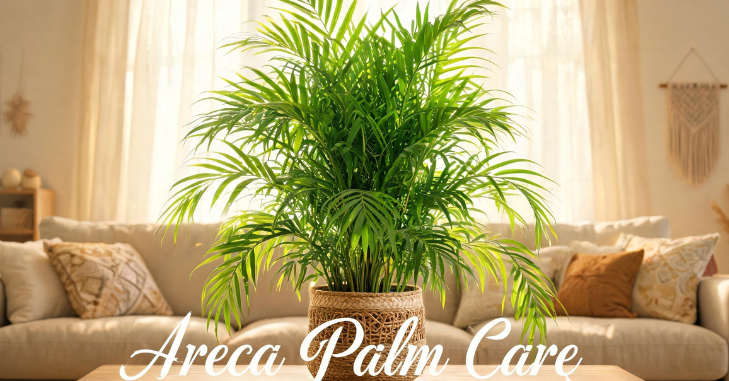
The Areca Palm, also known as the butterfly palm, is one of the most popular indoor plants due to its elegant appearance and air-purifying qualities. With its feathery, arching fronds and bright green foliage, it brings a tropical feel to homes, offices, and gardens.
Native to Madagascar, this plant thrives in warm climates and adapts well to indoor environments when provided with proper care. Despite its delicate look, the Areca Palm is relatively easy to maintain, making it an excellent choice for beginners and plant enthusiasts alike.
Ideal Light Requirements
- Light is very important for the healthy growth of the Areca Palm.
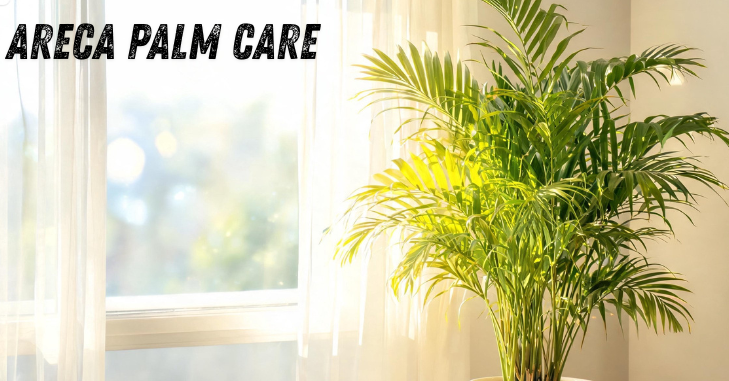
- The plant grows best in bright, indirect sunlight.
- It should be placed near a window where it can receive filtered light.
- Direct sunlight, especially in the afternoon, can burn the leaves.
- Excessive sun exposure may cause leaves to turn yellow or brown.
- East- or south-facing windows are ideal locations for indoor placement.
- In low-light conditions, the plant can survive but will grow more slowly.
- Insufficient light can cause leaves to lose their bright green color.
- Excessive direct sunlight can result in leaf scorch or damage.
- A proper balance of light and shade is necessary for optimal growth.
Watering Needs
Proper watering is one of the most important aspects of Areca Palm care. This plant prefers consistently moist soil but does not tolerate waterlogging.
Moisture Requirements and Avoiding Waterlogging
The soil should remain slightly moist at all times, but excess water must be avoided to prevent damage. Overwatering can lead to root rot, while underwatering can cause the leaves to dry out and turn brown.
When and How to Water
A good practice is to water the plant when the top 1–2 inches of soil feel dry to the touch. This helps maintain the right balance of moisture without over-saturating the roots.
Seasonal Watering Needs
During the growing season (spring and summer), the plant may require more frequent watering, while in winter, watering should be reduced as growth slows down.
Drainage and Preventing Root Damage
It is important to ensure that excess water drains out of the pot to prevent standing water at the roots, which can lead to root rot and other issues.
Water Quality and Sensitivity to Chemicals
Using filtered or distilled water is beneficial, as Areca Palms are sensitive to chemicals like chlorine and fluoride commonly found in tap water.
Soil Requirements
The Areca Palm thrives in well-draining, nutrient-rich soil. A peat-based potting mix with added sand or perlite works well, as it allows proper aeration and drainage. Heavy soils that retain too much water should be avoided, as they increase the risk of root rot.
The soil should be slightly acidic to neutral in pH. Good soil structure ensures that the roots receive adequate oxygen while retaining enough moisture to support healthy growth. Repotting every 2–3 years helps refresh the soil and provides the plant with new nutrients.
Temperature and Humidity
- The Areca Palm is a tropical plant that prefers warm temperatures.
- It grows best in temperatures between 18°C and 30°C.
- The plant does not tolerate cold drafts or sudden temperature changes.
- It should be kept away from air conditioners, heaters, and open windows during winter.
- Humidity is an important factor for the healthy growth of the plant.
- Areca Palms thrive in moderate to high humidity levels.
- In dry indoor conditions, the leaf tips may turn brown due to low moisture.
- This problem is more common during winter when indoor air becomes dry.
- Regular misting of the leaves can help maintain humidity.
- Placing a humidifier near the plant can increase air moisture levels.
- Keeping the pot on a tray filled with pebbles and water also helps increase humidity around the plant.
Fertilization Guidelines
Fertilization for Healthy Growth
To maintain lush green foliage, the Areca Palm requires regular feeding during its growing season.
Frequency and Type of Fertilizer
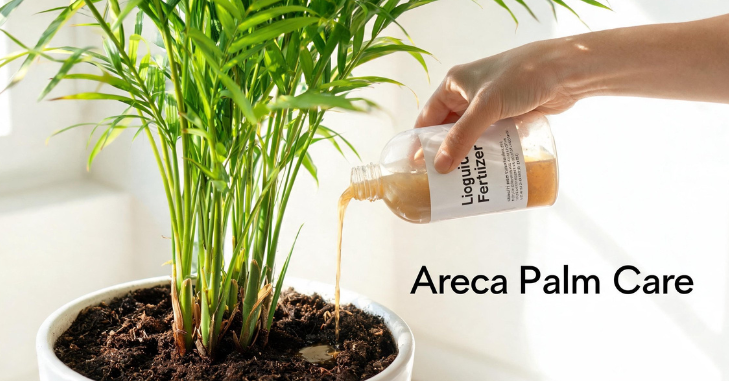
A balanced liquid fertilizer applied once every 2–4 weeks during spring and summer is usually sufficient.
Seasonal Fertilization Needs
In autumn and winter, fertilization should be reduced or stopped, as the plant’s growth slows down.
Risks of Over-Fertilizing
Overfertilizing can lead to soil salinity, which may damage roots and cause leaf discoloration.
Proper Fertilizer Management
Therefore, it is important to follow recommended dosage instructions and occasionally flush the soil with water to remove excess salts.
Pruning and Maintenance
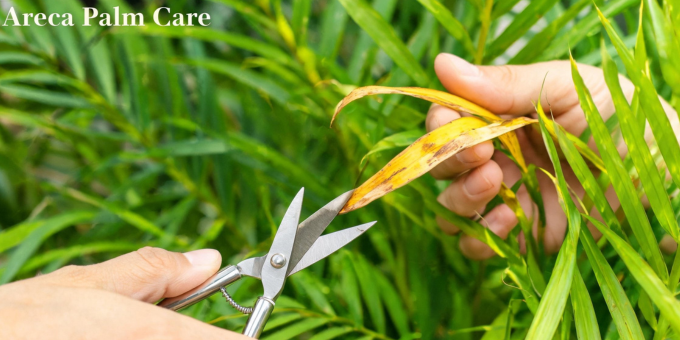
Pruning helps keep the Areca Palm healthy and visually appealing. Regularly remove yellow, brown, or dead fronds to encourage new growth and prevent the spread of disease. However, avoid cutting healthy green leaves, as this can stress the plant.
Cleaning the leaves with a damp cloth helps remove dust and improves the plant’s photosynthetic efficiency. Routine maintenance also includes checking for pests and ensuring the plant is placed in an appropriate environment.
Repotting the Plant
- Areca Palms prefer slightly root-bound conditions, so frequent repotting is not required.
- Repotting the plant every 2–3 years is usually sufficient.
- One sign that repotting is needed is when roots start growing out of the drainage holes.
- Another sign is when the soil dries out too quickly after watering.
- When repotting, choose a pot that is only slightly larger than the current one.
- Always use fresh potting mix to provide new nutrients to the plant.
- Ensure the new pot has proper drainage to prevent waterlogging.
- Handle the roots gently during repotting to avoid damage.
Common Pests
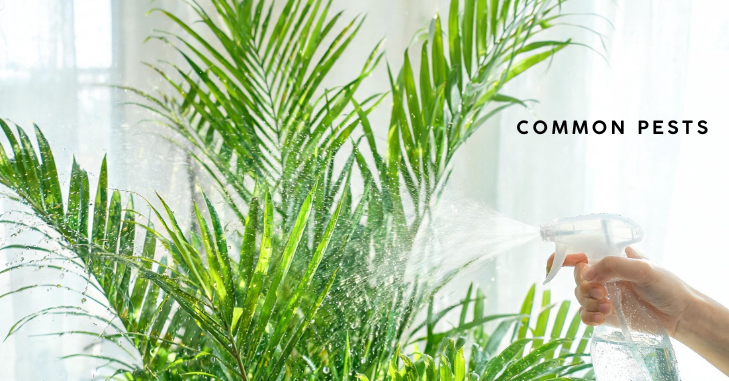
Like many indoor plants, the Areca Palm can be affected by pests such as spider mites, mealybugs, and scale insects. These pests often appear in dry conditions and can cause leaf discoloration and damage.
Early Detection and Inspection
Regular inspection of the plant helps detect pests early and prevent serious damage.
Treatment and Pest Control
If pests are found, they can be treated with insecticidal soap or neem oil.
Prevention of Pest Infestation
Maintaining proper humidity and cleanliness reduces the likelihood of pest infestations.
Common Fungal Diseases
Fungal diseases, especially root rot, are usually caused by overwatering.
Prevention of Diseases
Ensuring proper drainage and avoiding excessive watering are key preventive measures.
Propagation Methods
The most common method of propagating Areca Palm is through division. Mature plants produce multiple stems, which can be separated during repotting. Each division should have healthy roots and stems to ensure successful growth.
Propagation requires patience, as newly divided plants may take time to establish themselves. Providing optimal conditions such as warmth, humidity, and proper watering will help the new plants thrive.
Benefits of Areca Palm
- The Areca Palm is visually appealing and enhances the beauty of indoor spaces.
- It is known for its air-purifying properties.
- The plant helps remove toxins and improves indoor air quality.
- It acts as a natural humidifier by releasing moisture into the air.
- Its presence creates a calming and refreshing environment.
- The plant adds aesthetic value to homes and offices.
- Indoor greenery, such as the Areca Palm, is linked to reduced stress levels.
- It also contributes to improved mental well-being.
Tips for Healthy Growth
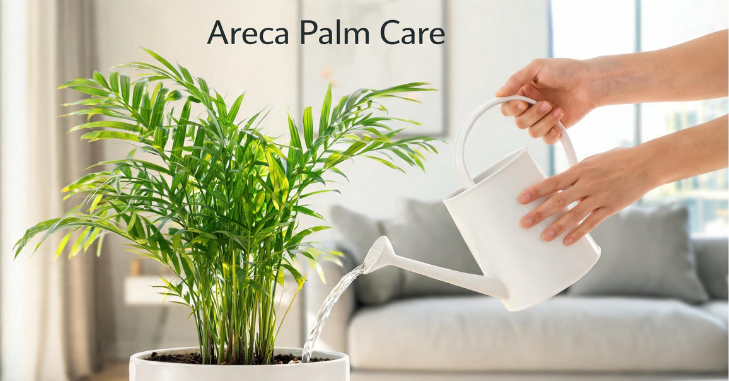
To ensure your Areca Palm thrives, place it in bright, indirect light and maintain a consistent watering schedule. Use well-draining soil and avoid letting the plant sit in standing water. Keep humidity levels moderate and protect the plant from extreme temperatures.
Regularly inspect for pests, clean the leaves, and fertilize during the growing season. With proper care and attention, the Areca Palm will remain a vibrant and attractive addition to your indoor or outdoor space.
Conclusion
In conclusion, the Areca Palm is a beautiful and beneficial indoor plant that adds both aesthetic and environmental value to any space. With proper care involving adequate light, consistent watering, well-draining soil, and suitable temperature and humidity levels, it can thrive and remain healthy for years.
Regular fertilization, pruning, and pest control further enhance its growth and appearance. Understanding its needs and providing the right conditions helps prevent common issues such as yellowing leaves, root rot, or pest infestations. Overall, the Areca Palm is a low maintenance yet highly rewarding plant that not only beautifies interiors but also improves air quality and mental well-being.
Want to know about Signs It May Be Time to Consider a Hearing Aid Check out our Lifestyle category.
FAQs
But if the air is too dry, leaf tips often turn brown. The areca palm is a heavy feeder and requires fertilizing from spring to early fall with a liquid fertilizer, following label instructions. Do not feed during the late fall and winter when the plant is dormant.
Yes, Areca palms need bright, indirect sunlight to thrive, ideally near a south- or west-facing window. While they need ample light, direct afternoon sun should be avoided as it can scorch the fronds. They prefer warm, humid environments, ideally between 65–75°F (18–24°C), and need consistent moisture.
Areca nut causes euphoria, increased heart rate and blood pressure, GABA inhibition, and neuronal damage, but does not affect concentration and memory. Areca nut causes hyperlipidemia, vasospasm, and cardiac arrhythmias, leading to an increased risk of myocardial ischemia.
When you overwater your Areca Palm, the roots can rot, leading to brown and yellow leaves. Underwatering: Areca palms also don’t like to dry out completely. If you underwater your Areca Palm, the leaves can turn yellow and droop. Not enough light: Areca palms need bright, indirect sunlight.