

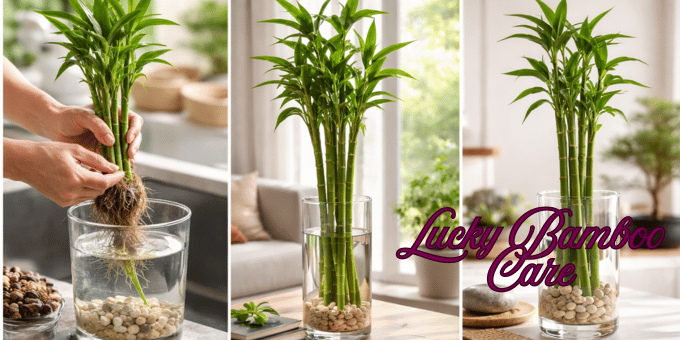
Lucky bamboo care is one of the simplest yet most rewarding aspects of indoor gardening, making this plant a favorite among beginners and plant lovers alike. Lucky bamboo is widely admired for its elegant look, low maintenance requirements, and its symbolic connection with good luck, prosperity, and positive energy.
Although it is called “bamboo,” it is not a true bamboo plant but actually belongs to the Dracaena family. With proper care and attention, lucky bamboo can live for many years, bringing a fresh, calming, and decorative touch to homes and offices while enhancing the beauty of any indoor space. This complete guide covers everything you need to know to keep your lucky bamboo healthy, vibrant, and growing strong.
| catagory | Key Overview |
| Introduction | Lucky bamboo care is easy, low-maintenance, and linked with good luck and positive energy. |
| What is Lucky Bamboo Care | Methods used to grow and maintain Dracaena sanderiana in water or soil. |
| Water Requirements | Use clean filtered water, change every 7–10 days, avoid chlorine, and keep roots submerged. |
| Light Requirements | Prefer bright, indirect light; avoid direct sunlight to prevent leaf damage. |
| Soil vs Water Growing | Can grow in water (low maintenance) or soil (more nutrients, better long-term growth). |
| Pest Control & Problems | Common issues include spider mites, yellow leaves, brown tips, and root rot. |
| Fertilizing | Light feeding every 4–6 weeks with diluted fertilizer or natural alternatives. |
| Pruning & Shaping | Trim above nodes, remove damaged leaves to encourage healthy and compact growth. |
| Repotting | Repot every 1–2 years when roots are crowded, or the plant becomes unstable. |
| Temperature & Humidity | Best at 18°C–30°C with moderate to high humidity; avoid extreme heat/cold. |
| Maintenance Tips | Weekly checks, monthly water change, trimming, and occasional fertilizing. |
| Growth Tips | Needs stable conditions, indirect light, and regular care for steady growth. |
| Feng Shui Benefits | 2 stalks = love, 3 = luck, 5 = health, 8 = prosperity. |
| Conclusion | Proper care ensures long life, beauty, and healthy growth of lucky bamboo. |
What is Lucky Bamboo Care?
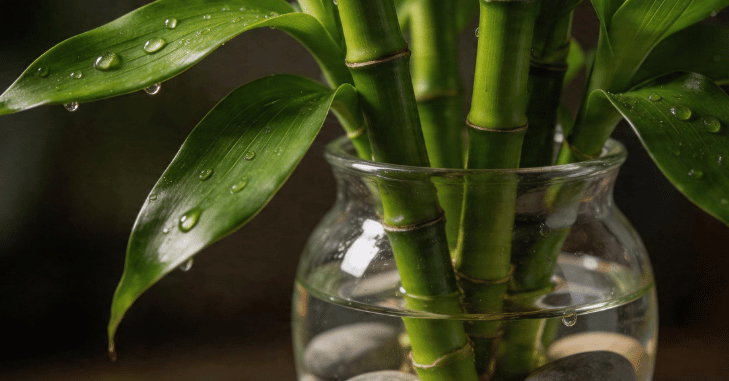
Lucky bamboo care refers to the proper methods and practices used to maintain and grow lucky bamboo successfully in either water or soil. This popular indoor plant is widely grown in homes and offices because of its low maintenance needs and attractive appearance.
Scientifically known as Dracaena sanderiana, lucky bamboo originates from Central Africa and is a slow-growing plant that adapts well to indoor environments. It is commonly available in different decorative forms such as straight stalks, spirals, and braided designs. In Feng Shui traditions, lucky bamboo is believed to bring positive energy and good fortune, where the number of stalks is thought to represent various types of luck, including wealth, happiness, and longevity.
Water Requirements for Lucky Bamboo
Water plays a crucial role in the health of lucky bamboo, especially when grown in water.
Best Practices
- Use filtered, distilled, or rainwater (avoid chlorine and fluoride in tap water)
- Keep the roots fully submerged
- Change the water every 7–10 days
- Clean the container regularly to prevent algae buildup
Important Tips
- Do not let the water become cloudy or develop a bad smell
- Maintain the water level about 1–2 inches above the roots
- Yellow leaves may indicate poor water quality
Light Requirements
Lucky bamboo thrives best in bright, indirect light, as direct sunlight can scorch and damage its delicate leaves. Ideally, it should be placed near a window where it receives filtered light, while avoiding direct sun exposure. Although the plant can tolerate low-light conditions, its growth may slow down and appear less vibrant. Signs of improper lighting are easy to spot. Too much light can cause yellow or burnt leaves, while insufficient light may lead to weak, pale, and stretched growth.
Soil vs Water Growing
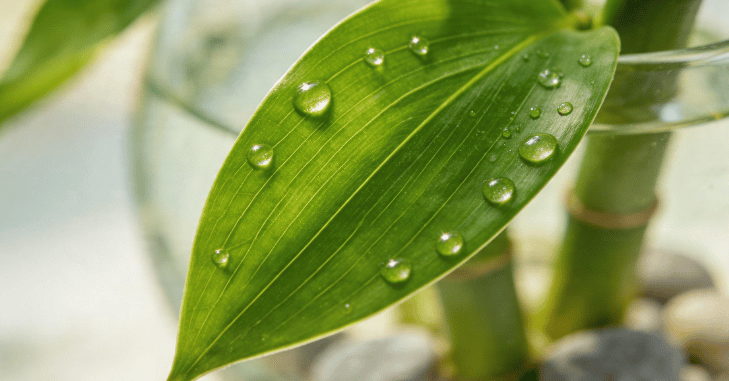
Lucky bamboo can be grown in both water and soil, each having its own benefits.
Growing in Water
- Low maintenance
- Clean and decorative
- Requires regular water changes
Growing in Soil
- Provides more nutrients
- Requires proper drainage
- Needs watering when the soil becomes slightly dry
Best Soil Mix
- Well-draining potting soil
- Mix with sand or perlite for better drainage
Pest Control and Common Problems
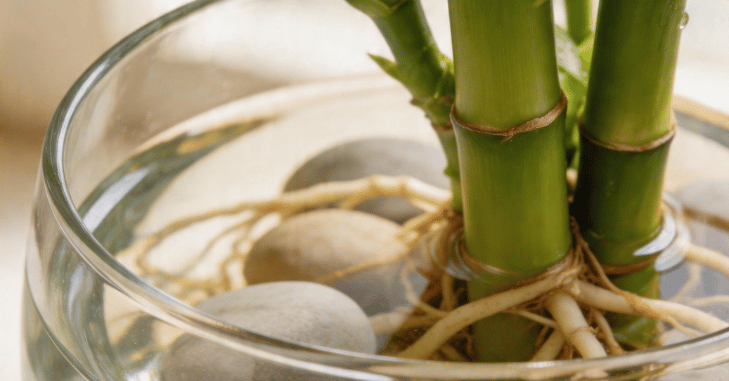
Common Pests
Although lucky bamboo is generally pest-resistant, it can occasionally be affected by common houseplant pests such as spider mites, mealybugs, and aphids. These pests can weaken the plant by feeding on its leaves and stems, leading to poor growth and discoloration.
How to Treat Pests
To manage pest issues, gently wipe the leaves with a damp cloth to remove insects and residue. You can also use mild insecticidal soap for more effective treatment. If the infestation is severe, it’s best to isolate the affected plant to prevent pests from spreading to others.
Yellow Leaves
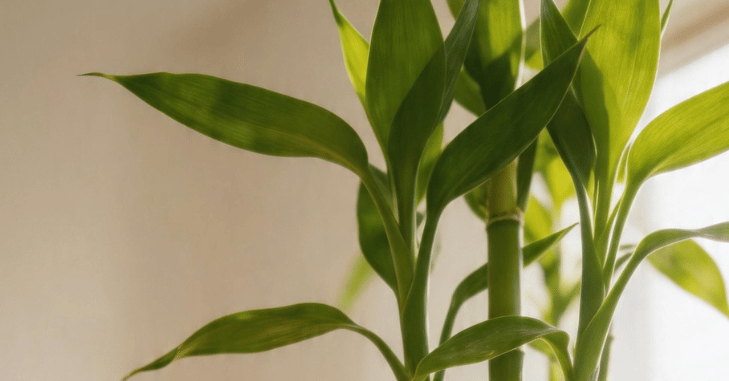
Yellowing leaves are one of the most common problems with lucky bamboo. This is usually caused by poor water quality, excessive sunlight, or over-fertilization. To fix this, replace the water with clean, filtered water, move the plant to a spot with indirect light, and reduce the use of fertilizers.
Brown Leaf Tips
Brown tips on leaves often indicate dry air or the presence of chemicals like chlorine in the water. Using filtered or distilled water and maintaining proper humidity levels can help resolve this issue and restore the plant’s healthy appearance.
Soft or Mushy Stalks
Soft or mushy stalks are typically a sign of root rot or bacterial infection, often caused by stagnant or dirty water. In such cases, it’s important to remove the affected parts immediately to prevent the problem from spreading and to improve overall plant health.
Fertilizing Lucky Bamboo
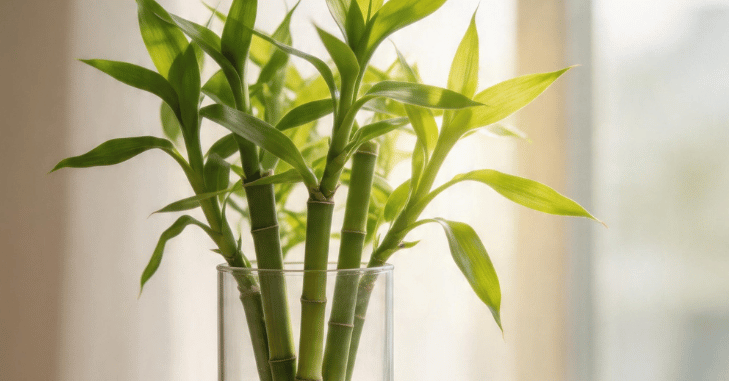
Lucky bamboo does not require heavy feeding, but occasional fertilization helps maintain healthy growth.
Fertilizer Tips
- Use a liquid houseplant fertilizer diluted to 1/10 strength
- Apply every 4–6 weeks
- Avoid over-fertilizing, which can cause yellow leaves
Natural Alternatives
- Aquarium water
- Organic liquid fertilizers
Pruning and Shaping
Pruning is essential for maintaining the appearance of lucky bamboo and encouraging healthy, controlled growth as part of proper lucky bamboo care. To prune properly, use clean, sharp scissors and make cuts just above a node (the joint on the stalk), while also removing any yellow or damaged leaves. Regular pruning not only promotes new growth but also helps keep the plant compact and well-shaped, enhancing its overall decorative appeal.
Repotting Lucky Bamboo
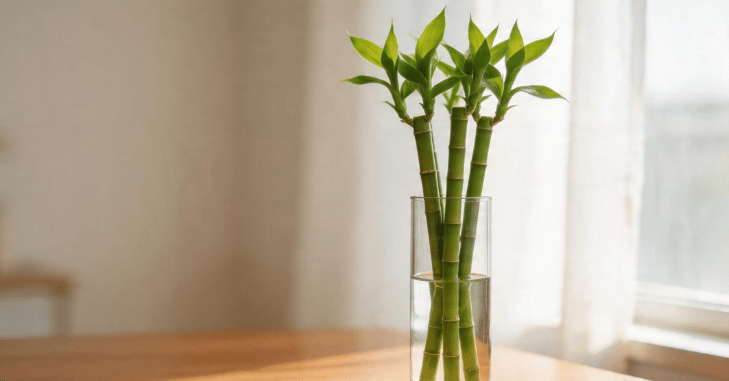
When to Repot
Lucky bamboo should be repotted when it outgrows its container or when the roots become too crowded. Signs include tightly packed roots, water becoming dirty quickly, or the plant appearing unstable in its current container.
Steps to Repot
To report lucky bamboo as part of proper lucky bamboo care, start by selecting a slightly larger container that allows room for growth. Carefully remove the plant and gently clean the roots to avoid damage. Then, add fresh water or well-draining soil, depending on your growing method, and place the plant securely in its new container.
Frequency
Repotting is generally needed every 1–2 years or whenever the plant shows signs that it has outgrown its current space.
Temperature and Humidity Needs
Temperature and Humidity Needs
Lucky bamboo grows best when kept in stable indoor conditions that mimic a calm, tropical environment.
- Maintain an ideal temperature range of 18°C to 30°C (65°F to 86°F) for healthy growth
- Keep humidity levels moderate to high to prevent dryness and stress on the plant
- Avoid placing the plant near air conditioners, heaters, or direct heat sources
- Protect it from cold drafts and sudden temperature changes that can damage leaves
- Lightly mist the plant in dry weather conditions to maintain freshness and moisture balance
Maintenance Tips for Healthy Growth
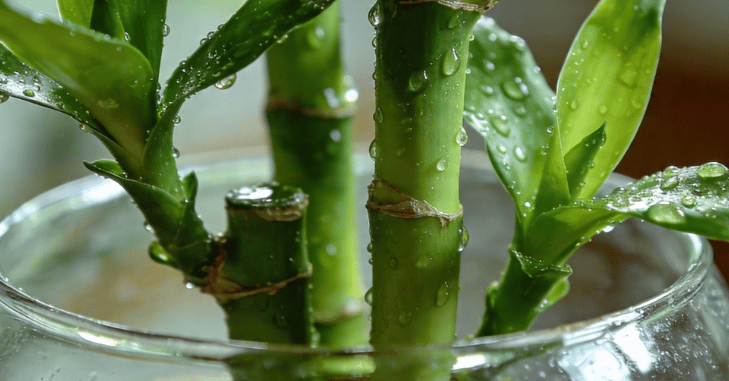
Consistent care is key to keeping lucky bamboo thriving.
Weekly Care Routine
- Check the water level
- Inspect leaves for discoloration
- Clean the container if needed
Monthly Care
- Change the water completely
- Trim dead or yellow leaves
- Add diluted fertilizer
Growth Tips and Longevity
- Provide consistent indirect light
- Maintain clean water or healthy soil
- Avoid sudden environmental changes
Growth Expectations
- Slow but steady growth
- New shoots develop from nodes
- Can be shaped with light direction and rotation
Common Mistakes to Avoid in Lucky Bamboo Care
Many people unintentionally damage their lucky bamboo by following incorrect care practices. One of the most common mistakes is using untreated tap water, which often contains chlorine and other chemicals that can cause leaf yellowing and weaken the plant over time. Another frequent error is placing the plant in direct sunlight, which can scorch its leaves and reduce its healthy green color.
Over-fertilizing is also harmful, as lucky bamboo requires only minimal nutrients, and excessive feeding can lead to brown tips and poor growth. Additionally, neglecting to clean the container regularly allows algae and bacteria to develop, which can affect root health. Avoiding these mistakes ensures that lucky bamboo remains strong, vibrant, and long-lasting indoors.
Decorative and Feng Shui Benefits
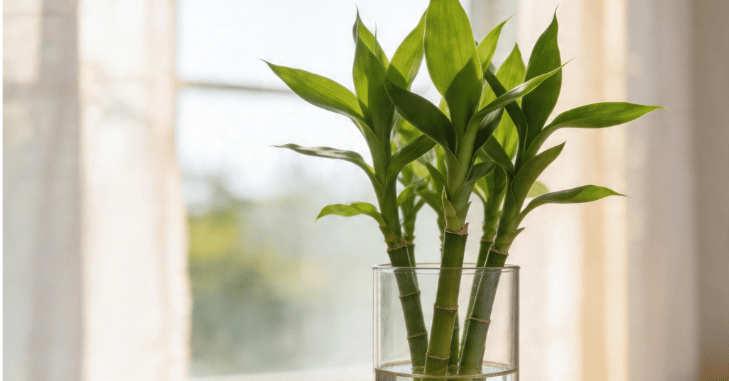
- 2 stalks: Love and relationships
- 3 stalks: Happiness, wealth, longevity
- 5 stalks: Health
- 8 stalks: Growth and prosperity
Placement Ideas
- Office desks
- Living rooms
- Entryways
Conclusion
Lucky bamboo care is simple yet highly rewarding when done correctly. This elegant plant can thrive for many years if you provide the right balance of clean water, indirect light, proper nutrients, and regular maintenance.
By following essential care practices such as pruning, repotting, pest control, and maintaining stable temperature and humidity, you can ensure strong and healthy growth. Whether grown in water or soil, lucky bamboo remains a beautiful and symbolic indoor plant that enhances any space with positivity, calmness, and natural charm.
Want to know about Companion Plants for Cucumbers: A Complete Guide to Boost Growth, Protect Your Garden, and Harvest More Check out our Lifestyle category.
FAQs
How to Take Care of a Lucky Bamboo Plant: Lucky bamboo (Dracaena sanderiana) grows best indoors in warm temperatures (65–90°F) in bright, indirect sunlight.
Yes, four to six hours of mild, indirect sunshine each day is necessary for the indoor management of fortunate bamboo.
It’s advisable to avoid using tap water for your plant because fortunate bamboo plants can be sensitive to salt and chlorine.
According to Feng Shui, place a fortunate bamboo in the east or southeast corner of your house for prosperity and good fortune. Steer clear of shadowy areas and direct sunlight.