


Have you ever stared at your living room wall and thought, “This beige has got to go”? Or walked into your kitchen for the thousandth time and quietly whispered, “Why is the fridge still avocado green?” If so, you’re not alone.
Home updates are on the rise again. Maybe it’s all the time we’ve spent inside over the past few years. Maybe it’s the DIY culture on social media. Or maybe it’s just the quiet realization that some spaces aren’t working anymore. Whatever the reason, more people are taking the plunge and making serious changes to their homes.
But here’s the thing: a major home update isn’t just about knocking out a wall or slapping on new paint. It’s a big decision that affects your money, your routine, and sometimes, your sanity. Rushing into it can lead to half-finished projects, stretched budgets, or worse—regret.
In this blog, we will share what you should think about before jumping into a major home improvement, whether it’s a full room transformation or a much-needed functional upgrade.
Start With the Core Spaces
It’s tempting to focus on what’s trendy—new tiles, fancy fixtures, or that Pinterest pantry with the sliding ladder. But good updates start with areas you use every day.
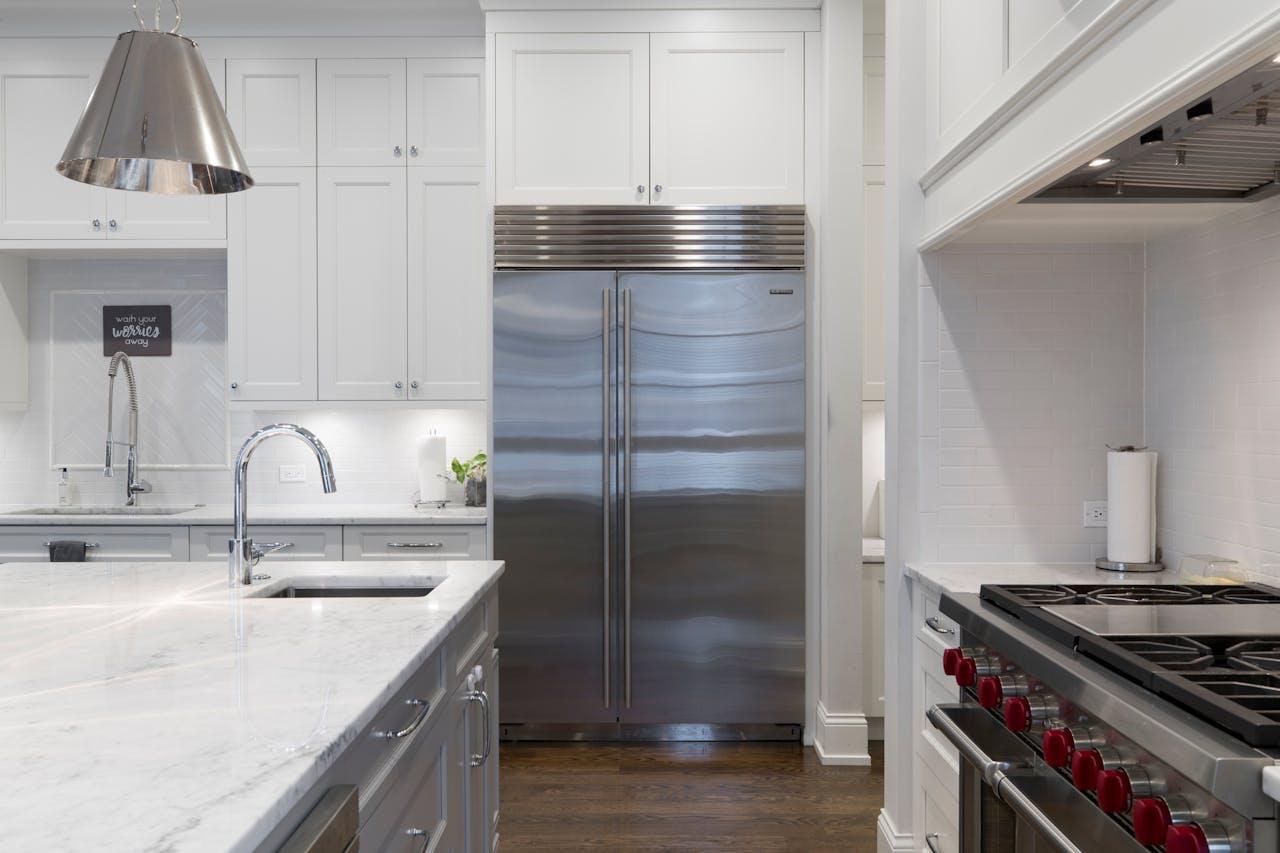
For most people, the kitchen is the big one. It’s where meals happen, where kids do homework, where friends hover during parties. It’s also where tiny annoyances build up fast. Bad lighting. No counter space. Cabinets that open the wrong way.
Before you start picking out hardware or backsplashes, it’s important to have a plan. Layout matters more than color. You need storage that makes sense and surfaces that can take a beating. That’s where experience counts.
If you’re serious about transforming the space, find a reliable kitchen remodeling service early in the process. Look for teams with clear timelines, transparent quotes, and good communication. Ask to see past projects. Read reviews. Ask awkward questions. The right pros will have answers ready.
Trying to cut corners in this area can backfire. A beautiful design means nothing if it isn’t functional. And delays from poor planning can turn a two-week job into a two-month headache.
Know Your Budget—and Then Add More
No one likes to talk about cost. But it’s the one thing that can derail a home update faster than anything else. Be realistic. Prices have gone up on everything from wood to labor. Supply chain issues still pop up when you least expect them.
Once you’ve got an estimate, assume you’ll spend more. It’s not pessimism—it’s experience. There are always hidden costs. Maybe it’s a pipe that wasn’t up to code. Maybe it’s having to eat out for a week because your stove is in the garage.
Leave room in your budget for surprises. And if you’re working with professionals, ask for a detailed breakdown. Understand what’s being spent on materials, labor, and permits. The more you know, the fewer nasty surprises you’ll face.
And if your budget is tight, prioritize. It’s better to do one space well than two halfway. Quality lasts longer than trends.
Think About the Future, Not Just the Fix
-
- It’s easy to get caught up in solving today’s problems. But a smart update should work for tomorrow, too.
- If you’re staying in your home long-term, think about how your needs might change. Will you need space for aging parents? If so, consider safety features beyond grab bars and ramps—modern life alert devices in Canada provide 24/7 emergency monitoring for elderly family members, offering immediate access to help and giving everyone peace of mind that assistance is always available at the push of a button, whether you’re home or away.
- Do you want to make your home more energy efficient? Installing smart thermostats, improving insulation, and using energy-saving appliances can reduce utility costs while creating a more comfortable living environment year-round. Are you building a place to grow with your family? Design flexible spaces that can adapt as children age, from nursery to study area to teen retreat, ensuring your home evolves alongside your family’s changing needs.
For homeowners thinking about resale, it’s worth knowing what adds real value. Updated kitchens and bathrooms top the list. But even simple upgrades like better insulation, modern lighting, or more natural light can tip the scales.
Talk to local real estate agents. They know what buyers want in your area. You might find out that spending a bit more on storage solutions or better flooring could make a real difference down the line.
Disruption Is Part of the Deal
Even the best-planned project comes with mess. Dust, noise, clutter—these are unavoidable. Depending on the scope of your update, you may need to move out temporarily or shift your routines.
Set your expectations early. Talk to your contractor about timelines. Build flexibility into your schedule. Don’t start a big project two weeks before you host a holiday gathering.
If you’re working from home, make sure there’s a quiet place to retreat. If you’ve got kids or pets, plan ahead for how they’ll handle the noise and traffic.
It’s also smart to protect your mental space. Updates can be stressful. Decisions pile up. Delays happen. Having a clear reason for the project—and remembering it often—helps you stay grounded when things get messy.
Sustainability and Smart Choices Matter
Home improvement today isn’t just about style. It’s about impact. More homeowners are looking for energy-efficient materials, low-VOC paints, and appliances that use less power. Not just for environmental reasons, but because they reduce costs over time.
Solar panels, heat pumps, and smart thermostats are gaining popularity. So are designs that bring in more natural light and reduce dependency on artificial heating or cooling.
If you’re already making a mess, it might be the perfect time to invest in upgrades that pay off later. They’re not always the flashiest parts of a renovation, but they’re often the smartest.
Ask your contractor about sustainable options. Even small swaps—like better insulation or water-saving fixtures—can have a big effect.
Build for the Life You Actually Live
A home update should do more than make a space look good. It should make life feel better. More functional. More peaceful. More “you.”
Before starting anything, get clear on what you need. Think about what’s working, what’s not, and how you actually use your space. Don’t rush into trends. Don’t copy someone else’s dream home. Build something that works for your life today—and tomorrow.
Because in the end, the best updates aren’t the ones with the fanciest finishes. They’re the ones that make coming home feel just right.
And that starts with planning smart, spending wisely, and working with the right people—especially when the heart of your home is about to change.
Apart from that, if you are interested to know about Simple Upgrades That Improve Home Comfort then visit our Home Improvement category.