


Are snake plants toxic to dogs? This is a very important question for anyone who owns both indoor plants and pets. The simple answer is yes: snake plants are toxic to dogs, but the toxicity is usually mild to moderate. Still, even mild toxicity can become a serious concern depending on how much your dog eats, their size, and how quickly action is taken.
Snake plants are among the most popular indoor plants in homes, offices, and apartments because they look stylish, require very little care, and thrive in low light. However, many pet owners are unaware that these same plants can cause health issues if chewed or ingested by dogs. Dogs are naturally curious animals, and they often explore their environment using their mouth, which increases the risk of accidental poisoning.
In most cases, the problem is not life-threatening, but it can still lead to symptoms like vomiting, diarrhea, drooling, and discomfort that may require veterinary attention. This makes it very important to understand clearly are snake plants toxic to dogs, how the toxicity works, what symptoms to watch for, and what steps you should take if your pet is exposed.
Snake Plants Toxic to Dogs: Key Facts Table
| Aspect | Details |
|---|---|
| Toxicity Level | Mild to moderate toxicity |
| Main Toxic Compound | Saponins |
| Are snake plants toxic to dogs? | Yes, they are toxic if ingested |
| Risk Level | Generally low but not harmless |
| Fatal Risk | Extremely rare |
| Common Reaction | Digestive upset |
| First Symptoms | Vomiting and drooling |
| Other Symptoms | Diarrhea and lethargy |
| Time of Onset | Within a few hours |
| Affected System | Gastrointestinal system |
| Severity Factors | Amount eaten and dog size |
| Most Affected Dogs | Puppies and small breeds |
| Toxic Part of Plant | All parts (leaves, stems, roots) |
| Primary Danger | Stomach and intestinal irritation |
| Emergency Level | Usually low, but monitor closely |
| Vet Visit Needed | Recommended in most cases |
| Treatment Type | Supportive care |
| Hospitalization | Rarely required |
| Recovery Time | 24–48 hours in most cases |
| Home Treatment | Not recommended without advice |
| Prevention Method | Keep the plant out of reach |
| Safe Placement | High shelves or hanging pots |
| Behavioral Risk | Dogs chewing or playing with plants |
| Safe Alternatives | Spider plant, calathea, fern |
| Overall Verdict | Not dog-friendly plant |
What Is a Snake Plant and Why Do People Love It?
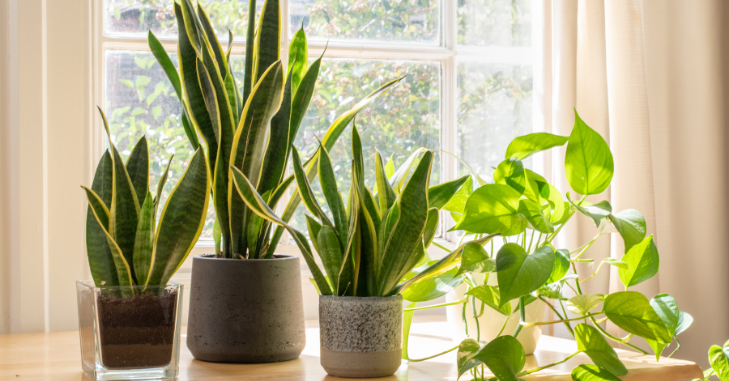
The snake plant, often called Mother-in-Law’s tongue, is one of the most popular indoor plants worldwide. Its tall, upright leaves and low-maintenance nature make it a favorite for both beginners and experienced plant lovers.
People are drawn to snake plants because they are:
- Easy to care for and require minimal watering
- Able to survive in low-light conditions
- Visually appealing with a modern, clean look
- Suitable for almost any indoor space
Despite these advantages, pet owners should think carefully about placement and accessibility.
Why Are Snake Plants Toxic to Dogs?
Snake plants contain natural compounds known as saponins. These substances act as a defense mechanism for the plant, protecting it from insects and pests. When a dog chews or eats part of the plant, these compounds irritate the digestive system. This irritation triggers the body’s natural response to eliminate the substance, leading to symptoms like vomiting and diarrhea. In simple terms, the plant is not deadly in most cases, but it is harmful enough to cause discomfort and should not be ignored.
How Dangerous Are Snake Plants for Dogs?
Snake plants are considered mildly to moderately toxic. This means that while they rarely cause life-threatening situations, they can still lead to unpleasant symptoms. The level of danger depends on several factors. A small nibble may cause only a mild stomach upset, while larger amounts can cause stronger reactions. Puppies and smaller dogs are more vulnerable because their bodies are more sensitive. Most dogs recover quickly, but the experience can still be stressful and uncomfortable.
Symptoms of Snake Plant Poisoning in Dogs
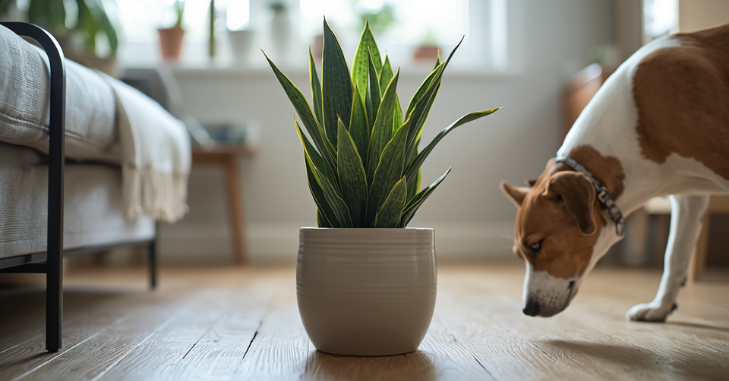
If your dog eats a snake plant, symptoms usually appear within a few hours. These signs are mainly related to digestive irritation.
Common symptoms include:
- Vomiting or nausea
- Diarrhea or loose stools
- Excessive drooling
- Loss of appetite
- Low energy or unusual tiredness
Some dogs may also show signs of discomfort, such as restlessness or whining. In more severe cases, prolonged vomiting and diarrhea can lead to dehydration, which requires medical attention. Recognizing these symptoms early helps you respond quickly and effectively.
What Happens Inside a Dog’s Body After Eating a Snake Plant?

Once ingested, the saponins begin to irritate the lining of the stomach and intestines. This irritation causes the body to react immediately. The process often starts with nausea, followed by vomiting as the body tries to remove the harmful substance. Diarrhea may occur afterward to clear out any remaining toxins. Although this is a natural defense response, it can weaken your dog if fluids are lost rapidly. That’s why monitoring and timely care are important.
What Should You Do If Your Dog Eats a Snake Plant?

If your dog has eaten a snake plant, the first step is to stay calm and act quickly. Remove the plant immediately to prevent further ingestion. Observe your dog closely for any symptoms. Even mild signs should not be ignored. Contacting a veterinarian is always a smart decision, as they can guide you based on your dog’s condition. Avoid trying home remedies or inducing vomiting on your own unless specifically advised by a professional. Improper actions can sometimes make the situation worse. Monitoring your dog over the next 24 hours is essential to ensure symptoms do not worsen.
Veterinary Treatment and Recovery

Treatment depends on how severe the symptoms are. In many cases, dogs only need supportive care such as rest and hydration.
If symptoms are more noticeable, a veterinarian may provide:
- Medication to control vomiting and nausea
- Fluids to prevent or treat dehydration
- Supportive care to soothe the digestive system
Recovery is usually quick. Most dogs return to normal within a day or two, especially when treated early.
Can Snake Plants Be Fatal for Dogs?
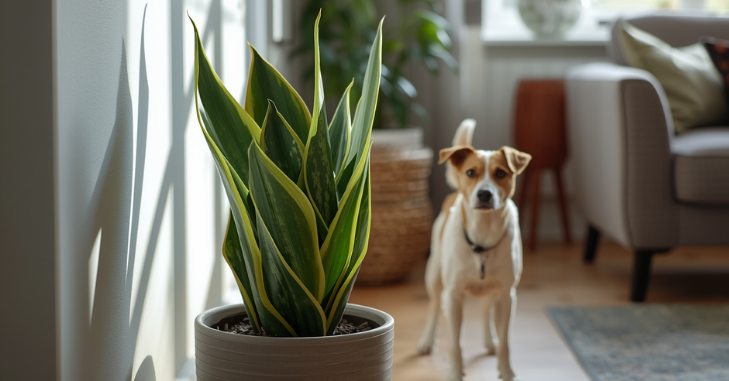
Snake plants are typically not fatal. However, that does not mean they are completely safe. Large amounts or delayed treatment can lead to complications such as dehydration. Puppies, small breeds, and older dogs are more at risk because their bodies are less resilient. For these dogs, even mild toxicity can have a stronger impact. The key message is clear: while death is unlikely, discomfort and health risks are very real.
How to Prevent Snake Plant Poisoning?

Prevention is the best way to keep your dog safe. You do not have to remove snake plants entirely, but you must ensure they are not easily accessible. Simple safety measures include placing plants on high shelves, using hanging pots, or keeping them out of your dog’s reach. Training your dog to avoid chewing on household items also helps reduce risk. A combination of smart placement and supervision can effectively prevent most accidents.
Safe Indoor Plant Alternatives for Dog Owners
For those who still feel uneasy about whether snake plants are toxic to dogs, switching to pet-safe plants is a smart option. You can choose alternatives like spider plants, areca palms, Boston ferns, calatheas, or prayer plants. These options provide the same decorative appeal without risk.
This way, you can enjoy indoor greenery without constantly worrying about your dog’s safety.
Snake Plants Compared to Other Toxic Plants

Snake plants are less dangerous than some highly toxic plants that can affect a dog’s heart, liver, or nervous system. However, this does not mean they are harmless. Even mild toxicity can cause discomfort and stress. Every plant-related risk should be taken seriously, especially in homes with curious pets.
Expert Insight: Why Does Early Action Matter?
Veterinary professionals consistently emphasize the importance of early action. Dogs that receive timely care recover faster and experience fewer complications. Being informed allows you to respond confidently rather than panic. This not only protects your dog’s health but also makes the situation easier to manage.
Safe Coexistence of Snake Plants and Dogs
Snake plants can safely exist in homes with dogs only when proper precautions are taken, because their leaves contain saponins that may cause mild digestive irritation if chewed or swallowed. Even though the toxicity level is generally low and rarely life-threatening, dogs, puppies, and small breeds can still experience vomiting, drooling, or diarrhea after exposure.
This is why placement is very important, and keeping the plant on high shelves, in hanging pots, or in restricted areas helps reduce accidental ingestion. Pet owners should also monitor their dogs closely for early symptoms and seek veterinary advice if any unusual behavior appears. With responsible care and smart positioning, it is possible to maintain both a healthy indoor plant environment and a safe space for pets.
Conclusion
So, are snake plants toxic to dogs? Yes, snake plants are toxic to dogs, but the toxicity is generally mild to moderate and rarely life-threatening. However, “mild” does not mean “safe.” Even a small amount of chewing can trigger uncomfortable symptoms like vomiting, diarrhea, drooling, and loss of appetite, which can quickly stress both the dog and the owner.
The most important takeaway is that risk depends on exposure. A snake plant placed on a high shelf or in a restricted area may not cause any issues at all. But when a curious dog has easy access, the chances of accidental ingestion increase significantly. Puppies, small breeds, and highly playful dogs are especially at risk because they tend to mouth objects more often.
Ultimately, snake plants and dogs can coexist in the same home, but only with careful planning. If you want a completely stress-free environment, switching to pet-safe plants is a better long-term option. Whether you keep snake plants or replace them, the priority should always be your dog’s health, comfort, and safety. A well-informed pet owner can enjoy a beautiful home and a healthy pet at the same time without compromise.
If you want to read an interesting article about it, explore our Pets category.
Frequently Asked Questions (FAQs)
They are mildly to moderately toxic. They can cause digestive issues, but are rarely life-threatening.
Most symptoms improve within 24 hours, especially with proper care.
Not necessarily. Keeping it out of reach is usually enough.
Mild cases may resolve on their own, but professional advice is always recommended.
All parts of the snake plant contain harmful compounds and should be considered unsafe.