


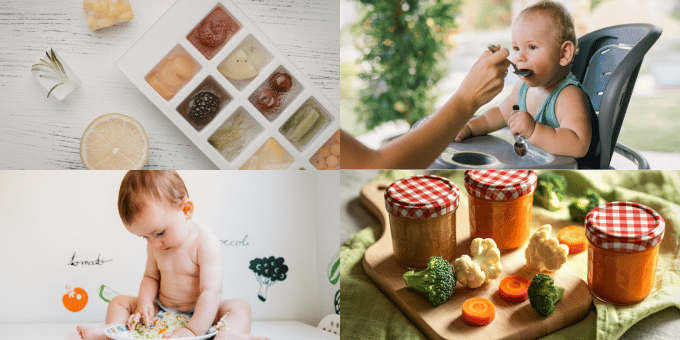
Homemade baby food is a wholesome and thoughtful approach to feeding infants, where meals are carefully prepared using fresh, natural, and minimally processed ingredients at home. It gives parents full control over quality, hygiene, and nutrition, ensuring that every bite is safe and nourishing for the baby’s delicate system.
Unlike packaged options, homemade meals can be customized according to the baby’s age, taste preferences, and developmental needs, allowing a smooth transition from liquids to solids. These foods are often prepared in simple forms such as purees, mashes, or soft finger foods, making them easy to digest and swallow.
In addition to promoting better health, homemade food also encourages early exposure to a variety of natural flavors and textures, which can help shape healthier eating habits in the long run and support overall physical and cognitive development.
| Section | Key Points |
| Introduction | Homemade baby food is fresh, natural meals prepared at home that ensure better nutrition, safety, and control over ingredients. |
| What It Is | Pureed, mashed, or soft foods made from fruits, vegetables, grains, and proteins are suitable for the baby’s development stage. |
| Benefits | Better nutrition, no preservatives, cost-effective, customizable, and promotes healthy eating habits. |
| Starting Age | Around 6 months, signs include sitting support, head control, interest in food, and loss of tongue-thrust reflex. |
| Essential Nutrients | Iron, protein, healthy fats, vitamins, and minerals for growth, brain development, and immunity. |
| Equipment Needed | Blender, steamer, masher, ice trays, and airtight containers. |
| Preparation Steps | Choose fresh ingredients, wash properly, cook safely, mash/blend, and check the temperature before feeding. |
| Age-Based Foods | 6–8 months: purees; 8–10 months: mashed foods; 10–12 months: soft finger foods. |
| Recipes | Apple puree, carrot-potato mash, banana-avocado mix, lentil puree. |
| Safety Tips | Maintain hygiene, avoid choking hazards, introduce one food at a time, avoid salt/sugar, and check temperature. |
| Storage | Refrigerate 2–3 days, freeze up to 1–3 months, reheat only once. |
| Foods to Avoid | Honey, nuts, salt/sugar, processed foods, raw or unpasteurized items. |
| Allergy Care | Introduce allergenic foods slowly and one at a time; watch for rashes, vomiting, and breathing issues. |
| Parent Tips | Batch cooking, freezing, simple recipes, and weekly planning. |
| Comparison | Homemade is fresher, cheaper, and more customizable than store-bought food. |
| Transition Stage | Gradually move to family foods and encourage self-feeding for independence. |
| Common Mistakes | Early solids, overcooking, forcing food, ignoring allergies, and excess seasoning. |
Homemade Baby Food
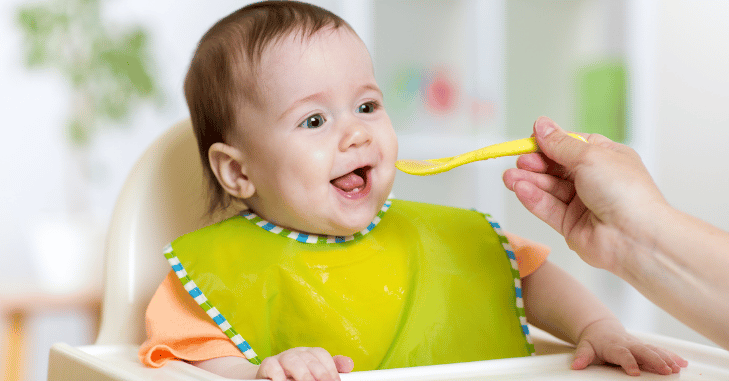
Homemade baby food refers to meals prepared at home using fresh, natural ingredients rather than store-bought packaged products, allowing parents to have complete control over what their baby eats. These foods are typically pureed, mashed, or softened to suit a baby’s developmental stage and their ability to chew and swallow safely.
Depending on the baby’s age, the texture can gradually progress from smooth purees to thicker mashes and eventually to soft, small pieces that encourage self-feeding. Homemade baby food is usually made from fruits, vegetables, grains, and protein-rich foods.
It ensures balanced nutrition without artificial preservatives, additives, or excess salt and sugar. It also allows parents to introduce a wide variety of flavors and nutrients early, which can help in developing healthy eating habits and reducing picky eating later in life.
Benefits of Homemade Baby Food
| Benefit | Explanation |
| Better Nutritional Value | Freshly prepared food retains more nutrients than processed baby food, ensuring your baby receives essential vitamins, minerals, and healthy fats needed for proper growth and development. |
| No Preservatives or Additives | It does not contain preservatives, added sugars, or excess sodium, often found in store-bought options, making it a healthier choice. |
| Cost-Effective | Preparing baby food at home is usually more affordable, especially when buying fresh produce in bulk and preparing meals in advance. |
| Customization | Homemade meals can be easily adjusted according to your baby’s taste preferences, dietary needs, and any food allergies. |
| Encourages Healthy Eating Habits | Introducing fresh and natural foods early helps babies develop a preference for healthy eating habits that can last a lifetime. |
Nutrient Variety and Flavor Development
One of the greatest advantages of homemade baby food is the ability to introduce a wide range of natural ingredients from an early age. Offering different fruits, vegetables, grains, and protein sources helps babies experience diverse flavors, colors, and textures during a critical stage of development.
This variety not only supports balanced nutrition but may also encourage greater acceptance of healthy foods as children grow. Regular exposure to different tastes can help reduce picky eating behaviors later in life while promoting a more adventurous and nutritious diet.
When to Start Homemade Baby Food?
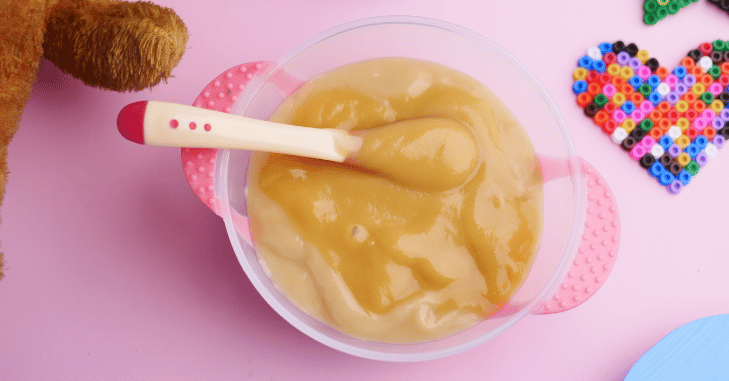
Most pediatric experts recommend introducing solid foods to babies around 6 months of age, as this is when their digestive system is usually ready for more than just milk. You can look for several signs that indicate your baby is prepared for solids, such as the ability to sit with support and maintain good head and neck control.
Another important sign is when your baby shows interest in food by watching others eat or reaching for food. Additionally, the loss of the tongue-thrust reflex, where the baby no longer pushes food out of the mouth automatically, also indicates readiness.
Essential Nutrients for Babies
When preparing homemade food, ensure a balanced diet that includes:
1. Iron
Important for brain development. Found in:
- Lentils
- Spinach
- Fortified cereals
2. Protein
Supports growth and muscle development:
- Eggs
- Chicken
- Beans
3. Healthy Fats
Essential for brain growth:
- Avocado
- Yogurt
- Olive oil
4. Vitamins and Minerals
- Fruits and vegetables are rich in essential nutrients
- They provide vitamin C, calcium, and potassium for healthy growth
Equipment Needed for Homemade Baby Food
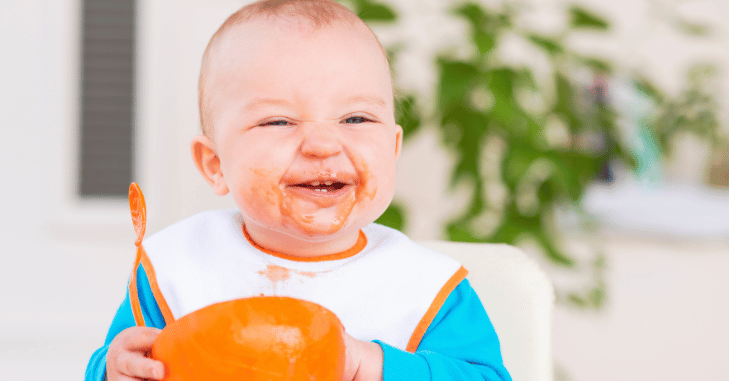
You don’t need fancy tools, but these basics help:
- Blender or food processor
- Steamer or pot
- Masher or fork
- Ice cube trays (for storage)
- Airtight containers
How to Prepare Homemade Baby Food?
Choose Fresh Ingredients
- Always choose ripe fruits and fresh vegetables for better taste and nutrition
- Prefer organic options when available, but they are not essential
Wash Thoroughly
- Wash all ingredients thoroughly before use
- Remove dirt, bacteria, and pesticide residues to ensure safety
Cook Properly
- Steam or boil vegetables until soft
- Bake or steam fruits if needed
- Avoid frying
Blend or Mash
Adjust texture according to your baby’s age:
- 6 months: smooth purees
- 7–9 months: thicker mashed foods
- 10+ months: small soft chunks
Step 5: Cool Before Serving
- Always check food temperature before feeding
- Make sure it is warm, not too hot, to avoid burns
Age-Wise Homemade Baby Food Ideas
6–8 Months (Purees)
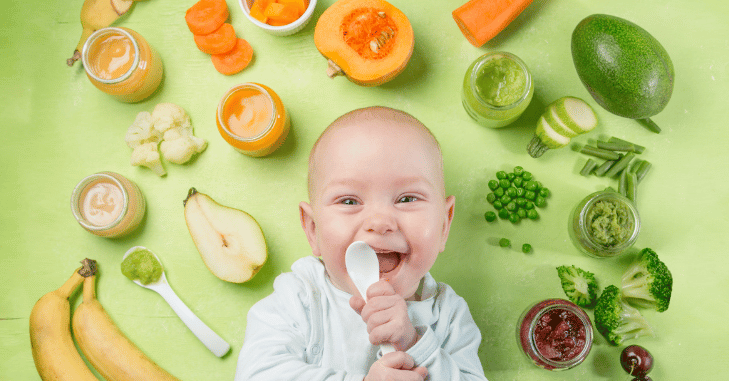
For babies in the early stages of solid feeding, simple and easily digestible foods are ideal. You can start with mashed banana, which is naturally soft and rich in nutrients, making it perfect for beginners. Apple puree is another excellent option, offering a mild flavor and smooth texture when properly cooked and blended.
Carrot puree provides essential vitamins and a slightly sweet taste that babies often enjoy. Additionally, rice cereal mixed with breast milk or formula creates a familiar and gentle meal that is easy for babies to swallow and digest, making it a popular first food choice.
8–10 Months (Mashed Foods)
As your baby progresses to more textured foods, you can introduce a variety of nutritious and slightly thicker options. Mashed potatoes are a great choice, offering a soft texture and easy digestibility. Lentil puree (daal) is rich in protein and iron, making it highly beneficial for your baby’s growth and development.
Soft scrambled eggs provide a good source of protein and healthy fats, while their soft consistency makes them easy to eat. Avocado mash is another excellent option, packed with healthy fats and essential nutrients that support brain development, all while being naturally smooth and easy to prepare.
10–12 Months (Finger Foods)
As your baby grows and becomes more comfortable with chewing, you can begin offering soft finger foods to encourage self-feeding. Soft fruit pieces, such as a banana or ripe pear, are easy to handle and gentle on the gums. Steamed vegetables like carrots, peas, or broccoli become tender and safe for little ones to chew.
Easy Homemade Baby Food Recipes
1. Apple Puree
- 2 apples
- Water
- Peel and chop apples
- Steam until soft
- Blend into a smooth puree
2. Carrot and Potato Mash
- 1 carrot
- 1 potato
- Peel and chop
- Steam until tender
- Mash or blend
3. Banana and Avocado Mix
- 1 banana
- ½ avocado
- Mash both together
- Serve fresh (no cooking needed)
4. Lentil (Daal) Puree
- 2 tablespoons lentils
- Water
- Cook lentils until soft
- Blend into a smooth consistency
Food Safety Tips
| Safety Tip | Description |
| Maintain Hygiene | Always wash your hands, utensils, and preparation surfaces thoroughly before making baby food to prevent contamination. |
| Avoid Choking Hazards | Ensure all foods are soft, well-cooked, and cut into small, manageable pieces suitable for your baby’s age. |
| Introduce One Food at a Time | Wait 3–5 days before introducing a new food so you can easily identify any allergic reactions. |
| Avoid Added Salt and Sugar | Babies do not require extra salt or sugar, so keep their food natural and simple. |
| Check Temperature | Always test the temperature of the food before feeding to avoid burns or discomfort. |
Storage Guidelines
Refrigeration
- Store fresh baby food in airtight containers
- Use within 2–3 days
Freezing
- Use ice cube trays for portioning
- Store up to 1–3 months
Reheating
- Reheat only once
- Stir well to avoid hot spots
Foods to Avoid for Babies
Certain foods are unsafe for infants:
- Honey (risk of botulism)
- Whole nuts (choking hazard)
- Added salt and sugar
- Processed foods
- Unpasteurized dairy
- Raw eggs or meat
Common Allergies to Watch For
When introducing allergenic foods to your baby, it is important to do so carefully and gradually. Common allergenic foods include eggs, dairy, peanuts, wheat, and soy, and these should be introduced one at a time in small quantities, preferably during the daytime, so you can closely observe any reactions.
It is advisable to wait a few days before introducing another new food, as this helps identify the specific cause if an allergy occurs. Always ensure the food is prepared in a safe, age-appropriate texture to avoid choking.
Watch closely for signs of allergic reactions such as rashes, hives, vomiting, diarrhea, swelling of the face or lips, or difficulty breathing. While mild symptoms may resolve quickly, severe reactions can be dangerous, so it is essential to seek medical help immediately if any concerning symptoms appear.
Tips for Busy Parents
- Prepare food in batches
- Freeze portions for later use
- Use simple recipes with few ingredients
- Plan weekly menus
Homemade vs Store-Bought Baby Food
| Feature | Homemade | Store-Bought |
| Freshness | High | Moderate |
| Cost | Lower | Higher |
| Additives | None | Possible |
| Convenience | Moderate | High |
| Customization | High | Limited |
Transitioning to Family Foods
As your baby grows, it is important to gradually reduce pureed foods and begin introducing more textured meals. You can slowly transition to family foods, ensuring they are prepared with minimal salt and mild spices to suit your baby’s sensitive system.
At the same time, encouraging self-feeding allows your baby to explore different textures and develop confidence during mealtime. This process not only supports healthy eating habits but also plays a key role in building independence and improving fine motor skills.
Common Mistakes to Avoid
- Starting solids too early
- Overcooking vegetables (nutrient loss)
- Forcing the baby to eat
- Ignoring allergy signs
- Using too much seasoning
Conclusion
In conclusion, homemade baby food is one of the most nurturing and beneficial choices parents can make for their child’s early development. By preparing meals at home using fresh, natural ingredients, parents can ensure that their babies receive safe, nutritious, and balanced food without harmful additives or preservatives.
This approach not only supports healthy physical growth and brain development but also helps in building strong immunity and long-term healthy eating habits. Moreover, homemade baby food allows flexibility to adapt meals according to the baby’s age, preferences, and dietary needs, making feeding time more personalized and enjoyable.
Want to know about Pickled Eggs Recipe: A Timeless, Tangy Snack Packed with Flavor and Tradition Check out our Food category.
FAQs
Most babies are ready for solid foods around 6 months of age. Signs of readiness include good head and neck control, the ability to sit with support, showing interest in food, and losing the tongue-thrust reflex. Always consult a pediatrician before starting.
The best first foods include simple and soft options such as mashed banana, apple puree, rice cereal mixed with breast milk or formula, carrot puree, and avocado mash. These are easy to digest and gentle on the baby’s stomach.
Common allergy symptoms include skin rashes, hives, vomiting, diarrhea, swelling, or difficulty breathing. If any of these signs appear, stop the food immediately and seek medical help.
Yes, homemade baby food can be refrigerated for 2–3 days or frozen for up to 1–3 months in airtight containers or ice cube trays. Always reheat only once and check the temperature before feeding.
Homemade baby food is often healthier because it contains no preservatives, added sugar, or excess salt. It is also more cost-effective, customizable, and allows parents to ensure freshness and quality.