


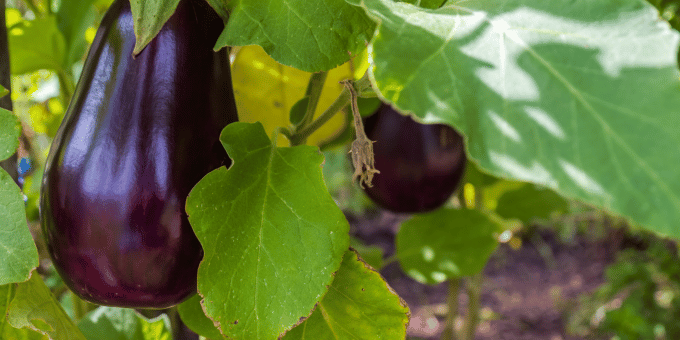
Eggplant companion plants are an essential part of smart and sustainable gardening, helping to create a naturally supportive environment where eggplants can thrive. Instead of relying solely on fertilizers or pesticides, companion planting uses plant relationships to boost growth and resilience.
Certain companions release natural scents that confuse or repel pests, while others attract helpful insects that protect eggplants from damage. Deep-rooted plants can improve soil structure, while nitrogen-fixing crops enrich the soil with essential nutrients needed for healthy fruit production.
Additionally, ground-cover plants help regulate soil temperature, conserve moisture, and reduce weed growth. When these elements work together, they form a balanced mini-ecosystem that supports stronger, more productive eggplants.
| Aspect | Key Points |
| Purpose | Improves eggplant growth naturally through plant relationships |
| Pest Control | Repels harmful insects and attracts beneficial ones |
| Soil Health | Enriches soil with nutrients like nitrogen |
| Moisture Control | Ground cover helps retain soil moisture |
| Space Usage | Maximizes garden space efficiently |
| Best Herbs | Basil and thyme repel pests and support growth |
| Best Flowers | Marigolds and nasturtiums protect and attract pollinators |
| Best Vegetables | Beans, lettuce, and spinach support eggplants |
| Good Allies | Garlic and onions deter many common pests |
| Risky Plants | Fennel, corn, potatoes, and geraniums should be avoided |
| Garden Design | Use layering, borders, and proper spacing |
| Crop Rotation | Prevents soil depletion and reduces diseases |
| Organic Methods | Use neem oil, beneficial insects, and compost |
| Weed Control | Companion plants help suppress weed growth |
| Final Benefit | Healthier plants, higher yield, and eco-friendly gardening |
Eggplant Companion Plants
Eggplant companion plants play a vital role in creating a healthy, productive, and balanced garden ecosystem. By carefully selecting plants that grow well alongside eggplants, gardeners can naturally improve plant growth, reduce pest problems, and enhance soil fertility.
For example, herbs like basil and flowers such as marigolds help repel harmful insects, while plants like beans enrich the soil with nitrogen, supporting stronger eggplant development. Low-growing crops like lettuce or spinach act as living mulch, helping retain moisture and suppress weeds.
At the same time, certain companions attract beneficial insects like bees and ladybugs, which aid in pollination and pest control. When used thoughtfully, companion planting not only boosts eggplant yield and quality but also reduces the need for chemical fertilizers and pesticides, making it an eco-friendly and efficient gardening practice.
What Is Companion Planting?
Companion planting is the practice of growing different plants close together to benefit one or both. These benefits may include:
- Natural pest control
- Improved soil fertility
- Better pollination
- Enhanced growth and flavor
- Efficient use of space
For eggplants, companion planting is especially valuable because they are susceptible to pests like aphids, flea beetles, and spider mites.
Why Companion Planting Works for Eggplants?
| Benefit of Companion Planting | How It Helps Eggplants |
| Repelling Harmful Pests | Certain plants release scents or chemicals that deter insects like beetles and aphids. |
| Attracting Beneficial Insects | Companion plants attract pollinators (bees) and predators (ladybugs) that protect eggplants. |
| Improving Soil Health | Legumes and other plants add nutrients like nitrogen, enhancing soil fertility. |
| Providing Shade or Support | Taller plants offer partial shade and protect eggplants from strong winds. |
Best Companion Plants for Eggplant
Let’s explore the most effective companions you can grow alongside eggplants.
1. Marigolds
Marigolds are one of the best companion plants for eggplants.
- Repel nematodes and aphids
- Deter whiteflies and beetles
- Add beauty to the garden
Their strong scent acts as a natural insect repellent, making them a must-have near eggplants.
2. Basil
Basil is not just a culinary herb; it’s a powerful companion plant.
- Repels thrips, flies, and mosquitoes
- May enhance eggplant flavor
- Attracts pollinators
- Plant basil close to eggplants for both pest control and easy harvesting.
3. Beans (Bush or Pole Beans)
Beans are nitrogen-fixing plants, meaning they improve soil fertility.
- Add nitrogen to the soil
- Promote healthy eggplant growth
- Improve overall soil structure
- They are especially helpful if your soil is nutrient-poor.
4. Spinach
Spinach is a fast-growing leafy green that pairs well with eggplants.
- Acts as a living mulch
- Helps retain soil moisture
- Suppresses weeds
- Since spinach grows low to the ground, it doesn’t compete for sunlight.
5. Peppers
Peppers and eggplants share similar growing conditions.
- Thrive in the same environment
- Make efficient use of garden space
- Easy to manage together
- Just ensure proper spacing to avoid overcrowding.
6. Tomatoes (With Caution)
Tomatoes are also part of the nightshade family.
- Similar care requirements
- Can be grown together in rotation systems
7. Lettuce
Lettuce is another excellent low-growing companion.
- Keeps soil cool and moist
- Maximizes space
- Grows quickly before eggplants mature
- It’s ideal for early-season planting.
8. Thyme
Thyme is a fragrant herb with pest-repelling properties.
- Deters garden pests
- Attracts beneficial insects
- Requires minimal care
- It also works well as a ground cover.
9. Nasturtiums
Nasturtiums act as a trap crop.
- Attract aphids away from eggplants
- Draw pollinators
- Add vibrant color to the garden
- They are both functional and decorative.
10. Garlic and Onions
Alliums like garlic and onions are powerful pest deterrents.
- Repel aphids, beetles, and mites
- Improve overall plant health
- Take up little space
- Their strong smell keeps many harmful insects away.
Plants to Avoid Near Eggplants
1. Fennel
Fennel is widely known as a poor companion plant because it can inhibit the growth of nearby vegetables, including eggplants. It releases natural chemicals into the soil that can stunt plant development and reduce overall productivity.
In addition, fennel competes aggressively for nutrients and space, making it difficult for eggplants to thrive. For best results, it should be planted far away from your eggplant bed.
2. Corn
Corn may seem like a harmless neighbor, but it can create problems for eggplants. It attracts pests such as corn earworms, which may also attack eggplants and damage their fruits. Furthermore, corn is a heavy feeder and competes strongly for nutrients, water, and space, which can limit the healthy growth of eggplants if planted too close.
3. Potatoes
Potatoes belong to the same nightshade family as eggplants, which makes them risky companions. Because they share similar diseases, such as blight, planting them together increases the chances of infection spreading quickly. They also compete for the same soil nutrients and can attract similar pests, making it harder to manage plant health effectively.
4. Geraniums
Although geraniums are attractive flowering plants, they are not ideal companions for eggplants. They may host certain pests that can spread to nearby crops, increasing the risk of infestations. Additionally, geraniums do not provide any significant pest-control benefits for eggplants, making them more of a neutral or even harmful presence in the garden.
Designing the Perfect Eggplant Companion Garden
Creating a well-balanced garden layout is key to maximizing the benefits of companion planting.
1. Layer Your Plants
- Tall plants: Beans (pole varieties)
- Medium plants: Eggplants, peppers
- Low plants: Spinach, lettuce, thyme
2. Use Borders for Protection
- Plant marigolds around the edges to repel harmful insects
- Add garlic to deter pests like aphids and beetles
- Use onions as a natural insect repellent
- Create a protective border around eggplants
- Helps reduce pest damage naturally without chemicals
3. Mix and Rotate Crops
- Do not plant eggplants in the same location each year
- Practice crop rotation to prevent soil depletion
- Grow legumes to add nitrogen back into the soil
- Use leafy greens to improve soil structure
- Helps reduce disease buildup and keeps plants healthy
4. Maintain Proper Spacing
Even with companion plants, overcrowding can lead to disease and poor growth. Ensure:
- Good airflow
- Adequate sunlight
- Enough root space
Natural Pest Control Strategies
Companion planting is most effective when combined with other organic gardening practices. Introducing beneficial insects like ladybugs helps naturally control pests, while using neem oil or insecticidal soap can manage infestations when necessary.
It is also important to remove infected leaves promptly to prevent the spread of disease. Additionally, maintaining healthy, well-drained soil ensures strong plant growth and improves the overall resilience of your eggplants.
Watering and Mulching Strategies for Companion-Planted Eggplants
Proper watering and mulching can significantly enhance the benefits of companion planting around eggplants. Eggplants prefer consistently moist soil, and applying organic mulch such as straw, shredded leaves, or compost helps retain moisture, regulate soil temperature, and reduce evaporation during hot weather.
Companion plants like lettuce and spinach further assist by shading the soil surface and minimizing moisture loss. Deep, infrequent watering encourages stronger root development, allowing eggplants to better withstand periods of heat and drought. When combined with well-chosen companion plants, effective watering and mulching practices create ideal growing conditions that support healthy foliage, abundant flowering, and improved fruit production throughout the season.
Benefits of Companion Planting for Eggplants
Here’s a quick summary of why this method is so effective:
- Reduces reliance on chemicals
- Improves yield and fruit quality
- Enhances biodiversity
- Creates a balanced ecosystem
- Saves space in small gardens
Common Mistakes to Avoid
| Common Mistake | Explanation |
| Overcrowding | Too many plants create competition for space, water, and nutrients instead of helping each other. |
| Ignoring Plant Needs | Companion plants must have similar sunlight and water requirements to grow well together. |
| Mixing Incompatible Plants | Pairing harmful plants (like eggplants and fennel) can stunt growth and reduce yield. |
| Poor Soil Preparation | Healthy soil is essential—use compost and nutrients, as companion planting alone isn’t enough. |
Conclusion
Eggplant companion plants are a smart, natural way to grow healthier plants and achieve a more productive garden. By pairing eggplants with beneficial neighbors like basil, marigolds, beans, and spinach, you can reduce pests, improve soil quality, and boost your harvest.
At the same time, avoiding harmful combinations ensures your plants won’t compete or suffer from shared diseases. Whether you’re a beginner or an experienced gardener, companion planting offers a simple yet powerful strategy to transform your eggplant garden into a thriving, balanced ecosystem.
Want to know about Why Parents Are Choosing Custom Cakes for Kids’ Parties Check out our Food category.
FAQs
Eggplant companion plants are other plants grown nearby to support eggplant growth by improving soil, repelling pests, and attracting beneficial insects.
It helps improve plant health naturally, reduces pest attacks, enhances soil fertility, and increases overall yield without relying on chemicals.
Some of the best companions include basil, marigolds, beans, spinach, lettuce, thyme, garlic, and onions.
Avoid fennel, corn, potatoes, and geraniums as they can compete for nutrients, attract pests, or spread diseases.
Certain plants release scents that repel harmful insects, while others attract beneficial insects like ladybugs that eat pests.
Yes, plants like beans fix nitrogen in the soil, while others improve soil structure, moisture retention, and overall fertility.