


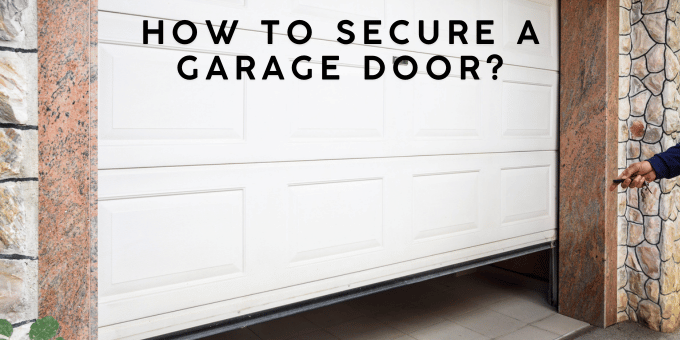
A garage door is more than just an entry point for your vehicle; it is a critical part of your home’s overall security system. Unfortunately, many homeowners underestimate its importance, leaving it as one of the most vulnerable access points to their property. By understanding its vulnerabilities and applying the right security measures, such as upgrading locks.
Understanding how to secure a garage door is essential because it protects valuable belongings stored inside and prevents unauthorized access to the main house, especially when the garage connects directly to it. From outdated locking systems to poor lighting and a lack of monitoring, several factors can compromise garage safety if not properly addressed.
By learning how to secure a garage door effectively, you can take proactive steps such as upgrading locks, installing smart security features, and reinforcing weak areas, ultimately creating a safer and more secure environment for your home and family. A garage door is not just an entry point for vehicles—it can also be a potential gateway for intruders if left unprotected.
| Section | Key Points |
| How to Secure a Garage Door? | Garage doors are important but often ignored in home security. |
| Why It Matters | Protects belongings and prevents entry into the house. |
| Risk Factors | Easy access point if not properly secured. |
| Common Weak Locks | Basic locks are easy to break or bypass. |
| Old Openers | Fixed codes can be hacked or duplicated. |
| Emergency Release Risk | It can be opened from the outside using simple tools. |
| Poor Lighting | Dark areas help intruders hide بسهولة. |
| No Monitoring | No cameras or alarms means no alerts. |
| Modern Openers | Rolling codes improve security. |
| Manual Locks | Adds an extra layer of protection. |
| Reinforcement | Strong doors and hinges prevent forced entry. |
| Motion Lights | Deter intruders with sudden lighting. |
| Security Cameras | Provide monitoring and evidence. |
| Smart Systems | Remote control and real-time alerts. |
| Remote Safety | Keep remotes secure, and avoid leaving them in the car. |
| Interior Door Lock | Adds a second barrier to home entry. |
| Maintenance | Regular checks keep the system secure. |
| Alarm Systems | Instant alerts on unauthorized access. |
| Auto Timers | Prevents the garage from being left open. |
| Window Security | Frosted glass, films, or bars for safety. |
| Smart Integration | Connect with a full home security system. |
| Common Mistakes | Open doors, weak passwords, outdated tech. |
| Warning Signs | Slow door, weak locks, no alerts. |
How to Secure a Garage Door?
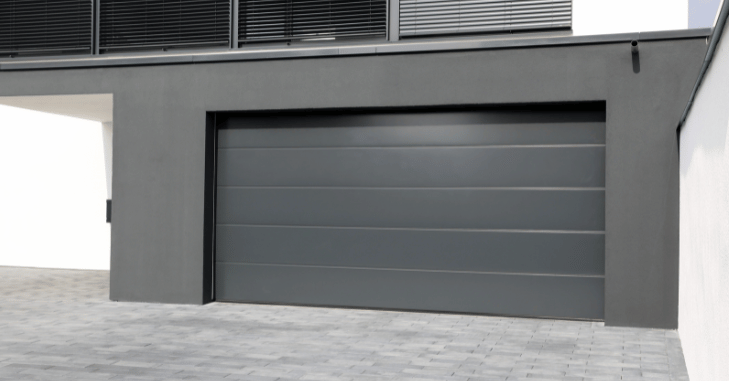
Securing your garage door is a crucial step in protecting your home, valuables, and overall peace of mind, yet it is often overlooked compared to other entry points. When considering how to secure a garage door, it is important to combine both physical reinforcements and modern technology for maximum effectiveness.
Start by upgrading to a high-quality garage door opener with rolling code technology, which prevents unauthorized access by changing the code each time the remote is used. Adding a strong manual lock or deadbolt provides an extra layer of security, especially when you are away for extended periods.
In addition, installing motion sensor lighting and security cameras improves visibility and acts as a strong deterrent against intruders. Smart garage systems further enhance security by allowing you to monitor and control your garage door remotely, receive real-time alerts, and ensure it is never left open accidentally.
Why Garage Door Security Matters?
Your garage often stores valuable items such as tools, vehicles, bicycles, and sometimes even expensive equipment. More importantly, many garages have an internal door leading directly into your home. If an intruder gains access to the garage, they are already halfway inside.
A poorly secured garage door can be:
- Easily forced open
- Hacked via remote systems
- Opened using simple tools or tricks
- Left unlocked accidentally
- Improving garage door security is not just about protecting belongings; it’s about safeguarding your entire home and family.
Common Garage Door Security Weaknesses
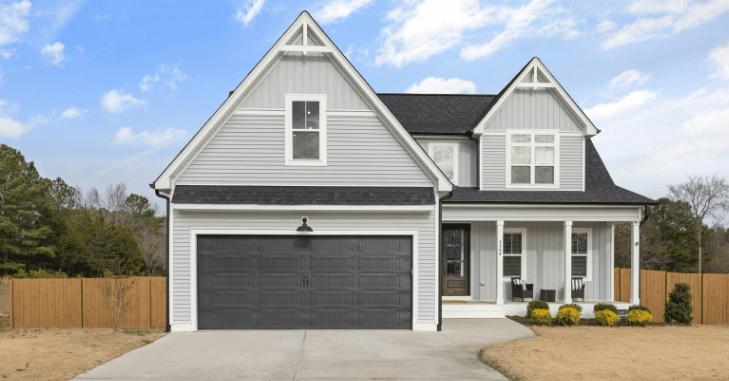
Before improving garage door security, it is essential to understand the common vulnerabilities that can put your property at risk. Many garage doors are equipped with weak manual locks that are easy for intruders to break or bypass. In addition, outdated automatic openers often rely on fixed codes that criminals can intercept or duplicate. Another major concern is the emergency release mechanism, as intruders can sometimes access the cord from outside using simple tools and gain unauthorized entry.
Poor lighting around garages and driveways also creates ideal hiding spots for intruders, making it easier for them to approach unnoticed. Finally, the lack of monitoring, such as cameras or alarm systems, means there is no way to track suspicious activity or receive alerts, leaving your garage and home more vulnerable to potential break-ins.
Essential Garage Door Security Tips
1. Upgrade to a Modern Garage Door Opener
One of the most effective ways to secure your garage is to install a modern opener with rolling code technology. These systems generate a new code every time the remote is used, which makes it nearly impossible for hackers to duplicate it.
Look for features such as:
- Smartphone control
- Automatic closing timers
- Real-time alerts
2. Install a Strong Manual Lock
Even with an automatic system, adding a physical lock provides an extra layer of protection.
Options include:
- Deadbolts for garage doors
- Slide locks are mounted inside
- T-handle locks for manual doors
- For maximum security, use both automatic and manual locking systems together.
3. Secure the Emergency Release Mechanism
The emergency release cord is designed for safety, but it can be exploited.
To secure it:
- Use a zip tie or shield to prevent external access
- Install a garage shield or cover
- Ensure the cord is not visible from outside
- This simple fix can prevent one of the most common break-in techniques.
4. Reinforce the Garage Door
Older or lightweight garage doors can be forced open easily.
Strengthen your door by:
- Adding a reinforcement kit
- Installing a solid-core or steel door
- Reinforcing hinges and tracks
- A strong door acts as a major deterrent to intruders.
5. Add Motion Sensor Lighting
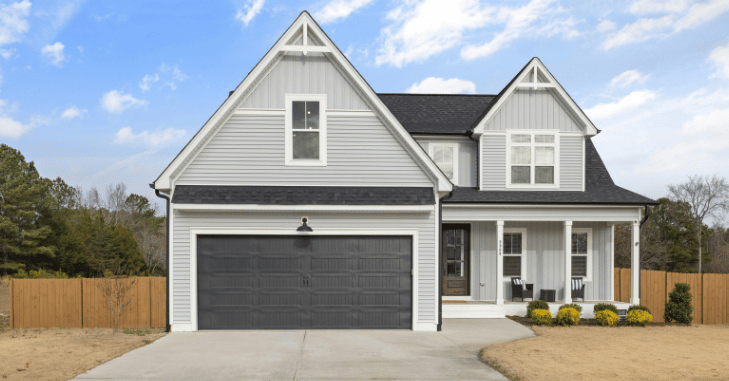
Lighting plays a huge role in security. Motion-activated lights can scare off potential intruders before they attempt a break-in.
Install lights:
- Above the garage door
- Along the driveway
- Near entry points
- Bright, sudden lighting reduces hiding spots and increases visibility.
6. Install Security Cameras
A visible security camera can act as both a deterrent and a monitoring tool.
Best practices:
- Place cameras facing the garage entrance
- Use night vision cameras
- Connect cameras to your smartphone for live viewing
- Recorded footage can also be crucial in case of an incident.
7. Use a Smart Garage Door System
Smart technology has made garage security more advanced than ever.
Benefits include:
- Remote access via mobile apps
- Alerts when the door is opened or left open
- Integration with home security systems
- This ensures you are always aware of your garage’s status—even when you’re away.
8. Keep the Garage Remote Secure
Leaving your garage remote in your car is a common mistake. If your car is broken into, the thief can easily access your garage.
Safer alternatives:
- Use a keychain remote
- Install a keypad entry system
- Use smartphone-based controls
9. Lock the Door Between Garage and House
Even if someone gains access to your garage, you can stop them from entering your home by securing the interior door.
Use:
- A solid-core door
- A high-quality deadbolt lock
- This creates a critical second barrier.
10. Regular Maintenance and Inspection
A poorly maintained garage door can become easier to break into.
Check regularly for:
- Loose hinges or screws
- Worn-out locks
- Malfunctioning openers
- Routine maintenance ensures all components remain secure and functional.
Advanced Garage Security Measures
| Security Option | Description | Key Benefits |
| Alarm Systems | Install sensors that trigger alarms if the garage door is opened unexpectedly. | Provides instant alerts and deters intruders with loud alarms. |
| Garage Door Timers | Automatically closes the door after a set period. | Prevents accidental exposure and ensures the garage is never left open. |
| Reinforced Windows | Use frosted/tinted glass, add security film, or install window bars. | Increases privacy and makes it harder for intruders to break or see inside. |
| Smart Home Integration | Connect the garage to a full home security system. | Enables centralized control, remote monitoring, and real-time notifications. |
Importance of Upgrading Garage Door Security Systems
Modern garage door security is no longer limited to simple locks or manual precautions, as technology has significantly changed the way intruders attempt break-ins. Many homeowners are now shifting toward integrated security systems that combine smart sensors, mobile alerts, and automated locking mechanisms.
These advanced systems allow users to monitor garage activity in real time, ensuring that any unusual movement or unauthorized access is detected immediately. By upgrading to these smarter solutions, homeowners not only strengthen physical protection but also gain better control and awareness of their property, reducing the chances of security breaches and improving overall home safety.
Mistakes to Avoid
Even with strong security measures in place, certain common mistakes can still leave your garage vulnerable. For instance, leaving the garage door open unattended provides easy access for intruders, while ignoring unusual noises or mechanical malfunctions can allow small issues to turn into major security risks.
Sharing access codes with too many people also increases the chances of unauthorized entry, especially if those codes are not changed regularly. Similarly, failing to update passwords on smart garage systems can expose them to hacking attempts. Relying on outdated technology further weakens your overall security, as older systems are often easier to bypass.
Signs Your Garage Door Security Needs Improvement
Watch for these warning signs:
- The door opens slowly or unevenly
- Locks feel loose or unreliable
- Remote signals are inconsistent
- You don’t receive alerts or notifications
- The garage is easily visible from the street
- If any of these apply, it’s time to upgrade your security.
Conclusion
How to secure a garage door? Securing your garage door is not a one-time task; it’s an ongoing process. By combining physical reinforcements, smart technology, and good habits, you can significantly reduce the risk of break-ins. Start with the basics: strong locks, proper lighting, and updated openers, then build toward a more advanced system with cameras and smart controls.
Every layer of security you add makes your home safer and more resilient. Consistent maintenance and avoiding common mistakes further strengthen your protection. Ultimately, a well-secured garage door not only safeguards your belongings but also ensures the safety of your entire home and provides lasting peace of mind for you and your family.
Want to know about Autumn Clean-Up Essentials: Why It’s the Best Time to Book Your Bin Check out our Home Improvement category.
FAQs
Garage door security is important because it protects valuable items and prevents intruders from gaining access to your home through an easy entry point.
The best way is to combine strong locks, modern openers with rolling codes, security cameras, and proper lighting for maximum protection.
You can prevent access by securing the emergency release, using smart systems, installing cameras, and keeping remotes safe.
Yes, smart systems offer remote control, real-time alerts, and better monitoring, making them a valuable security upgrade.
It’s best to inspect and maintain your garage door regularly to ensure all locks, openers, and safety features are working properly.
Yes, older garage door openers with fixed codes can be hacked or duplicated, which is why upgrading to modern systems is recommended.