

Purple flowers are widely admired for their beauty, fragrance, and deep symbolic meaning, often representing royalty, elegance, spirituality, and creativity. Their unique and rare color makes them stand out in nature, adding charm and sophistication to gardens, landscapes, and floral arrangements.
From Lavender and lilacs to roses, orchids, tulips, and pansies, these flowers come in many varieties, each with distinct characteristics and growing needs. Beyond their visual appeal, they also play an important ecological role by attracting pollinators and supporting biodiversity, making them both aesthetically pleasing and environmentally valuable.
They attract pollinators such as bees and butterflies, support biodiversity, and enhance the visual balance of outdoor spaces. Whether grown in home gardens, pots, or large landscapes, these flowers are versatile and widely appreciated across cultures and climates.
| Section | Key Points |
| Introduction | Beauty, symbolism, rarity |
| Popular Types | Lavender, lilac, roses |
| Orchids & Tulips | Exotic, seasonal blooms |
| Growing Conditions | Soil, sunlight, climate |
| Watering Needs | Balanced moisture care |
| Care Tips | Pruning, fertilizing, pest control |
| Uses | Decoration, wellness, landscaping |
| Benefits | Aesthetic, emotional, ecological |
| Conclusion | Beauty, care, biodiversity |
Purple Flowers
Purple flowers have long been admired for their beauty, elegance, and symbolic meaning. They are often associated with royalty, luxury, spirituality, and creativity, making them among the most visually striking choices for gardens and floral arrangements.
The color purple itself is rare in nature compared to other flower colors, which adds to its uniqueness and appeal. From soft lavender fields to bold purple roses and orchids, these flowers bring a sense of calm, sophistication, and charm wherever they bloom. Beyond their aesthetic value, these flowers also play an important role in gardening and landscaping.
Popular Types
Lavender Flowers
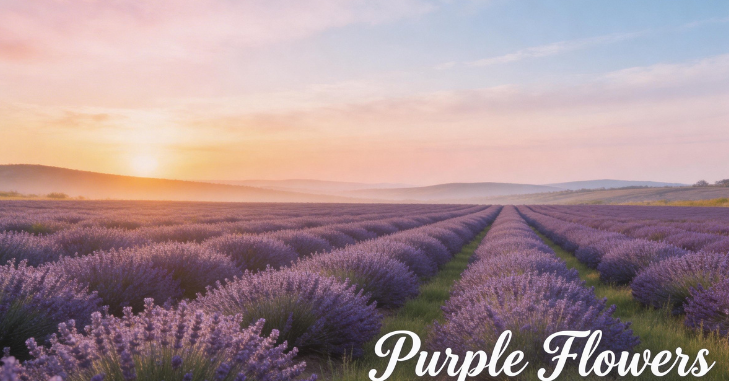
Lavender is one of the most well-known purple flowers in the world. It is famous not only for its beautiful color but also for its soothing fragrance. Lavender is often used in essential oils, perfumes, and aromatherapy products due to its calming effects. The plant grows in small bushes with long, slender stems and delicate purple spikes.
Lavender thrives in sunny environments and well-drained soil. It is a hardy plant that requires minimal watering, making it ideal for low-maintenance gardens. Its ability to attract pollinators also benefits ecological balance.
Lilac Flowers
Lilac flowers are known for their soft purple shades and sweet fragrance. These flowers grow in clusters and bloom during spring, creating a visually stunning display. Lilac shrubs can live for many years, making them a long-term addition to gardens.
Lilacs prefer cooler climates and require cold winters to bloom properly. They are often used as ornamental plants in parks and residential landscapes for their beauty and fragrance.
Purple Roses
Purple roses symbolize enchantment, mystery, and love at first sight. Unlike traditional red roses, purple roses are often associated with admiration and uniqueness. They are commonly used in weddings, celebrations, and luxury floral arrangements.
These roses require regular care, including proper sunlight, watering, and pruning. Their rich color makes them highly desirable in the floral industry.
Orchids in Purple Shades
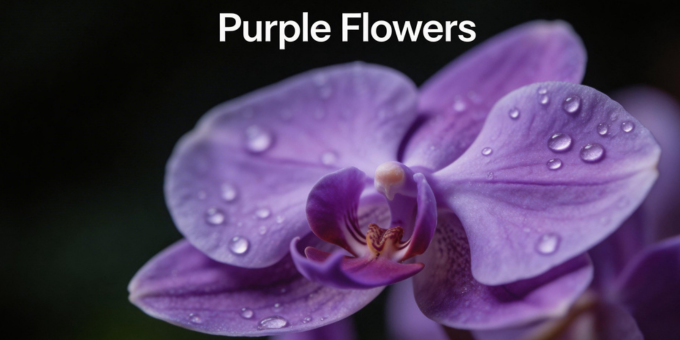
Purple orchids are among the most elegant and exotic flowers. They are often used in decorative arrangements and indoor plant displays. Orchids represent beauty, strength, and luxury.
They require specific growing conditions, including humidity, indirect sunlight, and careful watering. Although they can be slightly difficult to maintain, their stunning appearance makes them worth the effort.
Tulips and Pansies
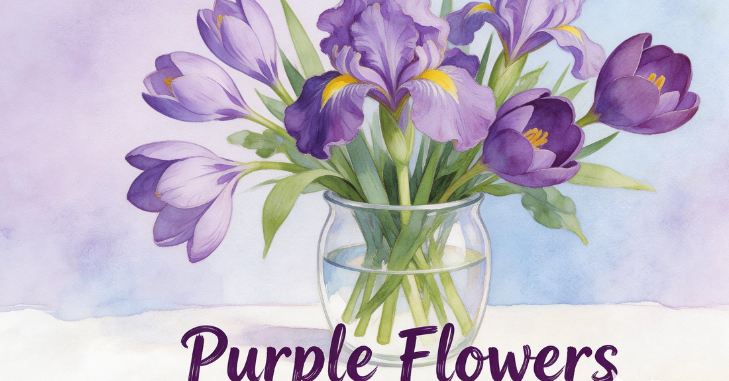
Purple tulips and pansies are popular seasonal flowers that add vibrant color to gardens. Tulips are often associated with spring, while pansies are known for their colorful “face-like” patterns.
Both flowers are relatively easy to grow and are widely used in flower beds, borders, and decorative pots.
Growing Conditions
- Soil Requirements: Most purple flowers thrive in well-drained, richly organic soil. Good soil structure allows roots to grow freely and prevents waterlogging, which can damage plants. Adding compost or organic fertilizers can significantly improve soil quality.
- Sunlight Needs: Sunlight is crucial for the growth of purple flowers. A wide variety, such as Lavender and tulips, requires full sun for at least 6 hours a day. However, some flowers, such as orchids, prefer indirect sunlight. Proper sunlight ensures healthy blooming and enhances the vibrancy of purple shades.
- Watering Requirements: Watering needs vary by flower type. While Lavender prefers dry conditions, other flowers like pansies require consistent moisture. Overwatering should be avoided, as it can lead to root rot and fungal infections. A balanced watering schedule helps maintain plant health and encourages steady growth.
- Climate Conditions: These flowers grow in different climates, depending on the species. Some thrive in cool temperatures, such as lilacs, while others prefer warm, sunny environments, such as Lavender. Understanding each flower’s climate requirements is essential for successful gardening.
Care and Maintenance Tips
Regular pruning and trimming help maintain the shape and health of flowers by removing dead or damaged stems and encouraging new growth, especially in plants like roses and lilacs. Fertilization using compost or suitable fertilizers improves bloom size and color intensity.
Pest and disease control is also important, as flowers may be affected by insects such as aphids and mites or by fungal infections, which can be managed with natural treatments and proper airflow. Seasonal care ensures healthy growth year-round by adjusting protection and maintenance to changing weather conditions.
Uses
Decorative Purposes
Purple flowers are widely used in home decoration, weddings, and special events. Their elegant appearance adds a touch of luxury and beauty to any setting. They are often included in bouquets and floral arrangements.
Aromatherapy and Wellness
Flowers like Lavender are used in essential oils and aromatherapy treatments. Their calming fragrance helps reduce stress, improve sleep, and promote relaxation.
Landscaping and Gardening
Purple flowers are commonly used in landscaping to create visually appealing gardens. They are often combined with other colors to create contrast and balance in outdoor spaces.
Benefits
- Aesthetic Appeal: Purple flowers enhance the beauty of gardens and indoor spaces. Their unique color adds depth and visual interest to floral designs.
- Emotional and Psychological Benefits: The color purple is often linked to calmness and relaxation. Having purple flowers around can create a soothing environment and improve mood.
- Environmental Benefits: Purple flowers attract bees, butterflies, and other pollinators, supporting biodiversity and healthy ecosystems.
Symbolism and Cultural Importance of Purple Flowers
Purple flowers have held special meaning in different cultures for centuries, often associated with nobility, wisdom, and spiritual awareness. In ancient times, the purple color was rare and expensive to produce, which is why it became a symbol of royalty and high status.
Today, flowers such as lavender and orchids are still used in ceremonies, celebrations, and decorative arrangements to represent admiration, respect, and elegance. In many cultures, purple blooms are also linked with peace and reflection, making them a popular choice for meditation spaces and meaningful gifting.
Conclusion
Purple flowers are a perfect blend of beauty, fragrance, and ecological importance. From Lavender and lilacs to roses and orchids, each type offers unique characteristics and charm. Understanding their growing conditions and care requirements helps ensure healthy and vibrant blooms throughout the year. Whether used for decoration, gardening, or wellness, purple flowers remain a timeless symbol of elegance, peace, and natural beauty.
In addition, their presence in gardens and landscapes enhances biodiversity by attracting essential pollinators, such as bees and butterflies. With proper care and attention, purple flowers can thrive for many seasons, bringing lasting color and positivity to any environment.
Want to know about Signs It May Be Time to Consider a Hearing Aid Check out our Lifestyle category.
FAQs
Some plants that have purple leaves that will add drama to your garden all year long are smokebush, heuchera, perilla, Persian shield, “Dark Beauty” ligularia, “Diablo” physocarpus, “Chocoholic” cimicifuga, “Black Lace” sambucus, and “Mahogany Splendor” hibiscus.
Lavender is a classic and must-have choice for people who want to plant small purple flowers that appeal to more than one sense. This fragrant, perennial herb is known worldwide for its slender spikes of purple flowers and pretty, silvery-green leaves.
The purple tulip is a graceful, striking flower widely associated with luxury, elegance, and beauty. It is also regarded as one of the rarest colors in nature.
About: One of the most popular purple cut flowers, freesias are exotic-looking, funnel-shaped perennials available in a range of bright purple shades. Flowering best in garden borders, they bring beauty to any Flowerbx vase and a spicy yet sweet fragrance.