

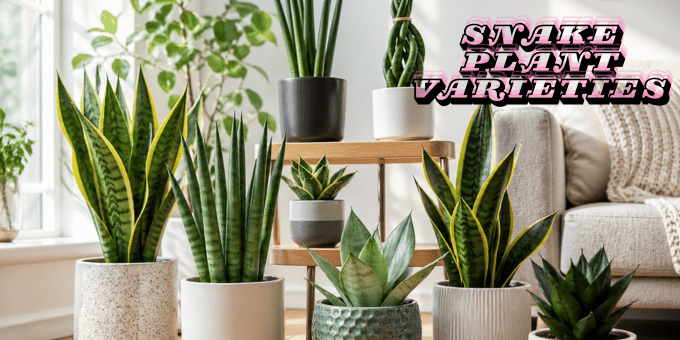
The snake plant, also known as Sansevieria or Dracaena trifasciata, stands out as one of the most popular indoor plants in the world, admired for its bold upright leaves, incredible durability, and air-purifying qualities. Perfect for beginners and busy plant lovers, it thrives with minimal care while still adding a modern, stylish touch to any space.
Beyond its visual appeal, the snake plant is also known for its air-purifying qualities and its ability to release oxygen at night, making it a great addition to bedrooms and workspaces. In this ultimate guide, you’ll discover everything from snake plant varieties and care tips to propagation methods, benefits, and common problems, helping you grow healthy plants with confidence and a smart, consistent approach like the snake plant varieties system explained throughout this guide.
| Catagory | Overview |
| Plant Overview | Snake plant (Sansevieria / Dracaena trifasciata), hardy indoor succulent with upright leaves |
| Key Features | Low maintenance, drought-resistant, air-purifying, long lifespan |
| Snake Plant Varieties | Laurentia, Cylindrica, Moonshine, Black Gold, Futura Robusta, Hahniid, Mason Iana |
| Benefits | Improves air quality, releases oxygen at night, reduces stress, beginner-friendly |
| Light Requirements | Clean leaves, remove damaged parts, repot every 2–3 years, and lightly fertilize |
| Watering Schedule | Every 2–3 weeks (summer), monthly or less (winter); avoid overwatering |
| Soil Needs | Well-draining cactus/succulent mix; add sand or perlite; avoid clay soil |
| Temperature & Humidity | 15°C–30°C, low to moderate humidity, avoid frost and cold drafts |
| Propagation Methods | Leaf cuttings, division, rhizome propagation |
| Maintenance | Clean leaves, remove damaged parts, repot every 2–3 years, and lightly fertilize |
| Common Problems | Yellow leaves (overwatering), root rot, brown tips, drooping leaves |
| Indoor Placement | Living rooms, bedrooms, offices, hallways, desks |
| Best For | Beginners, busy people, low-light homes, modern interiors |
What are Snake Plant Varieties?
Snake plant varieties refer to the different types of hardy succulents native to West Africa, known for their tall, upright, sword-shaped leaves and ability to thrive in a wide range of indoor conditions. These snake plant varieties are extremely low in maintenance, tolerate low light, are highly drought-resistant, and can live for many years with minimal care, making them perfect for beginners.
In addition to their durability, snake plants are valued for their air-purifying properties, helping improve indoor environments while adding a modern, stylish look to any space. Because of these remarkable qualities, they are often called “indestructible houseplants,” and caring for them successfully requires consistency and smart choices.
Popular Snake Plant Varieties
There are many varieties of snake plants, each with unique leaf patterns, shapes, and colors. Below are the most popular types explained in clear subheadings and bullet points:
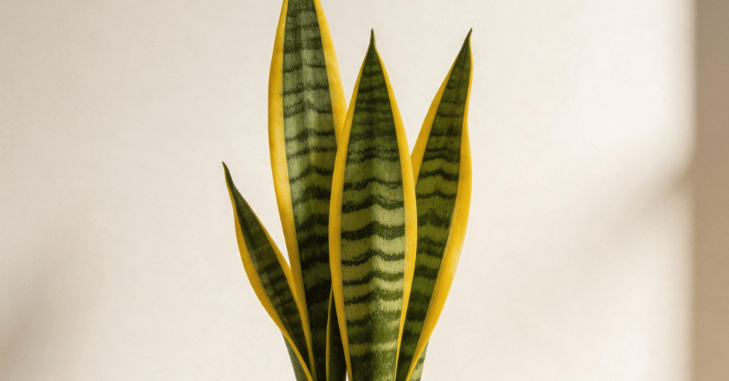
Sansevieria trifasciata ‘Laurentii’
- Tall green leaves with yellow edges
- Most common decorative variety
- Ideal for living rooms and office spaces
- Adds a classic, elegant indoor look
Sansevieria cylindrica
- Round, spear-like cylindrical leaves
- Often braided or shaped decoratively
- Modern and minimalistic appearance
- Perfect for contemporary home styling
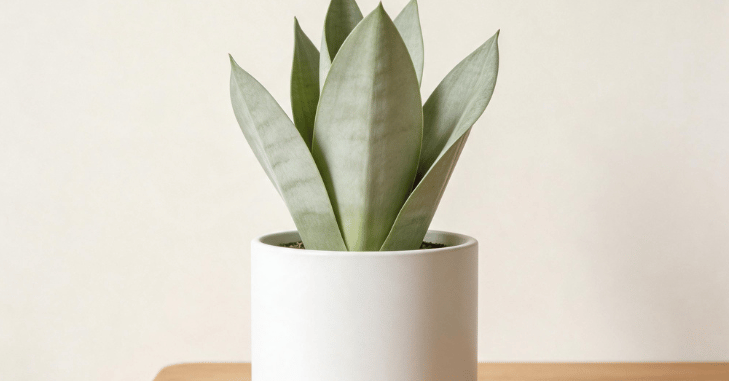
Sansevieria ‘Moonshine’
- Silvery-green smooth leaves
- Soft, elegant, and calming look
- Thrives well in low light conditions
- Great for bedrooms and shaded corners
Sansevieria ‘Black Gold’
- Deep dark green leaves with golden edges
- Bold contrast and striking appearance
- Adds a luxurious indoor aesthetic
- Suitable for stylish interior décor
Sansevieria ‘Futura Robusta’
- Short, wide, and dense leaves
- Compact growth pattern
- Perfect for small apartments or desks
- Requires minimal maintenance
Sansevieria ‘Hahnii’
- Small rosette-shaped leaf formation
- Low-growing and compact plant type
- Ideal for tabletops, shelves, and workspaces
- Easy-care beginner-friendly variety
Sansevieria masoniana
- Large, broad paddle-shaped leaves
- Rare and highly decorative variety
- Unique statement plant for interiors
- Grows slowly but looks very exotic
Snake Plant Benefits
Snake plants are not just decorative; they also improve indoor living conditions.
Major Benefits
- Air purification: Removes toxins like formaldehyde and benzene
- Night oxygen release: Improves bedroom air quality
- Low water requirement: Saves time and effort
- Stress reduction: Adds natural beauty to indoor spaces
- Suitable for any interior style
Ideal Light Requirements
Snake plants are extremely adaptable and can grow in different lighting conditions. However, their health, color, and growth speed depend greatly on the amount of light they receive.
Bright Indirect Light
Bright indirect light is the best environment for snake plants to thrive and maintain strong growth. Snake plants grow healthiest when placed in bright but filtered sunlight. In this condition, their leaves stay upright, firm, and vibrant in color. A spot near a window with curtains or indirect sunlight is perfect.
Low Light
Snake plants can survive in low light conditions, making them suitable for indoor spaces with minimal sunlight. In low light, the plant continues to live, but its growth becomes much slower. The leaves may also appear slightly darker or less vibrant. This makes snake plants ideal for offices, bedrooms, or corners of rooms where natural light is limited.
Some Direct Sunlight
A small amount of direct sunlight can be beneficial for snake plants if it is not too harsh. Morning sunlight is gentle and helps improve the plant’s strength and overall health. It supports better leaf color and structure. However, long exposure to strong afternoon sunlight should be avoided because it can damage or burn the leaves.
Watering Schedule & Tips
One of the most common mistakes beginners make is overwatering.
Watering Guidelines
- Summer: Every 2–3 weeks
- Winter: Once a month or less
- Always check the soil before watering
Best Practices
- Let the soil dry completely between watering
- Use pots with drainage holes
- Avoid water sitting in the pot tray
- Reduce watering in humid climates
Signs of Overwatering
- Yellow leaves
- Soft or mushy base
- Root rot smell
Temperature & Humidity Needs
Snake plants are flexible but prefer stable conditions.
Ideal Conditions
- Temperature: 15°C – 30°C
- Low to moderate humidity
- Avoid freezing temperatures
Tips
- Keep away from cold drafts
- Avoid placing near heaters or AC vents
- Suitable for most indoor environments
Propagation Methods
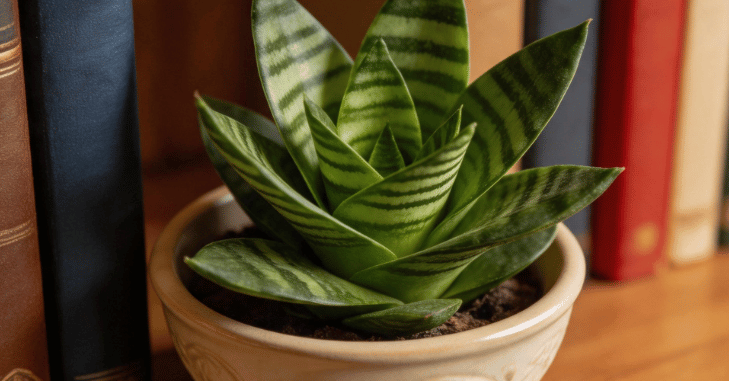
Snake plants are incredibly easy to propagate, making them an excellent choice for expanding your indoor garden with minimal effort. With the right technique and care, you can grow multiple new plants from a single healthy one.
Leaf Cuttings
Leaf cuttings are one of the simplest and most popular propagation methods. Start by cutting a healthy leaf into sections, ensuring each piece is a few inches long. Allow the cuttings to dry for 1–2 days so the ends can callous, which helps prevent rot. After that, place the cuttings either in water or directly into soil.
Division Method
The division method is considered the most reliable way to propagate snake plants, especially for mature plants. Begin by gently removing the plant from its pot and carefully separating the root clumps. Each section should have both roots and leaves attached.
Rhizome Propagation
Snake plants also spread through underground stems called rhizomes. To propagate this way, locate and separate the rhizomes beneath the soil. Once separated, plant each rhizome in fresh, well-drained soil. With proper care, these will sprout new growth, making snake plant varieties even easier to multiply and expand your indoor garden.
Propagation Tips
For successful propagation, always use sterilized tools to prevent disease. Avoid overwatering, as excess moisture can lead to rot before roots are established. Keep the newly propagated plants in bright, indirect light to support healthy root development and steady growth.
Maintenance & Care Tips
Snake plants require minimal maintenance but still need occasional care.
Maintenance Checklist
- Wipe leaves to remove dust
- Trim damaged or yellow leaves
- Repot every 2–3 years
- Check for pests monthly
Fertilizing
- Use mild liquid fertilizer once a month in the growing season (spring/summer)
- Avoid over-fertilizing
Important Care Tips for Light Management
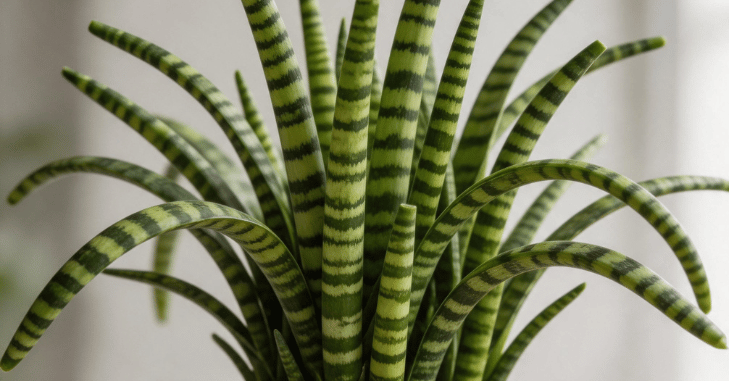
Proper light care ensures your snake plant stays healthy, balanced, and attractive for a long time.
Avoid Harsh Afternoon Sun
Snake plants should be protected from intense sunlight during the hottest part of the day.
Strong afternoon sun can scorch the leaves and create brown, dry patches. This damage affects both the appearance and health of the plant. Keeping the plant in filtered or indirect light is always a safer option.
Rotate Plant Regularly
Turning the pot every few weeks ensures that all sides receive equal light exposure. This prevents the plant from leaning in one direction and helps maintain a balanced, upright shape. Regular rotation improves overall appearance and structure, especially when caring for different snake plant varieties that may grow at slightly different speeds and forms.
Adjust Watering in Low Light
In low-light areas, the soil takes longer to dry, so the plant needs less frequent watering. Overwatering in such conditions can lead to root rot and other issues. Reducing water helps keep the plant healthy and prevents moisture-related problems.
Common Problems & Solutions
Even hardy snake plants can occasionally face issues, but most problems are easy to identify and fix with the right care.
Yellow Leaves
- Cause: Overwatering
- Solution: Reduce watering and improve soil drainage
Root Rot
- Cause: Excess moisture
- Solution: Remove affected roots and repot in fresh, dry soil
Brown Leaf Tips
- Cause: Underwatering or dry air
- Solution: Adjust watering routine and increase humidity if needed
Drooping Leaves
- Cause: Poor lighting or weak roots
- Solution: Move the plant to a brighter location with indirect light
Indoor Growing Tips for Beginners
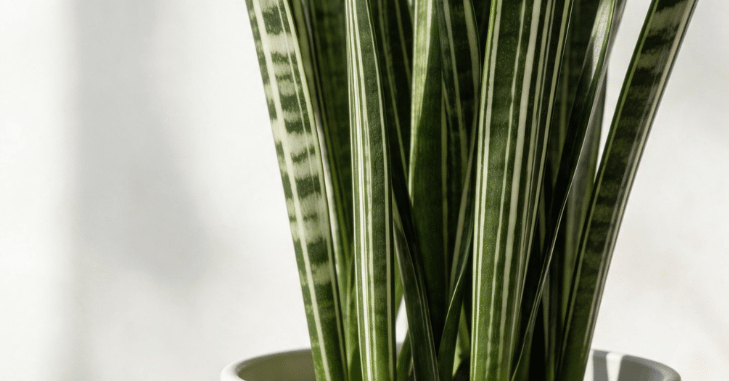
Snake plants are perfect for indoor gardening if placed correctly.
Best Placement Ideas
- Living room corners
- Bedroom nightstands
- Office desks
- Hallways and entryways
Styling Tips
- Use ceramic or terracotta pots
- Pair with modern minimalist décor
- Combine with other low-light plants like the ZZ plant
Conclusion
Snake plants are truly one of the easiest and most rewarding indoor plants you can grow, offering a perfect balance of beauty, resilience, and health benefits. From understanding different snake plant varieties to mastering care routines like light management, watering schedules, soil selection, and propagation methods, this guide equips you with everything needed for success.
Their ability to adapt to various indoor conditions, purify the air, and require minimal maintenance makes them an ideal choice for beginners and experienced plant lovers alike. By following these simple yet effective care tips, you can enjoy lush, healthy plants that enhance your living space, and success ultimately depends on consistency, care, and making the right choices over time.
Want to know about Signs It May Be Time to Consider a Hearing Aid Check out our Lifestyle category.
FAQs
Sansevierias are an amazing addition to any plant collection, regardless of your level of experience with plants. The history of Sansevieria is as diverse and rich as its collection of more than 70 species.
Snake plants can also raise humidity levels by releasing oxygen and filtering airborne pollutants, which may lessen the symptoms of common allergies.
Mix sulfur powder with water and thoroughly stir, believing that the strong sulfur odor will deter snakes. After that, it can be immediately poured over the fence’s edge and around the home.
They can survive for ten to twenty-five years, or even longer, if given proper care and surroundings.