

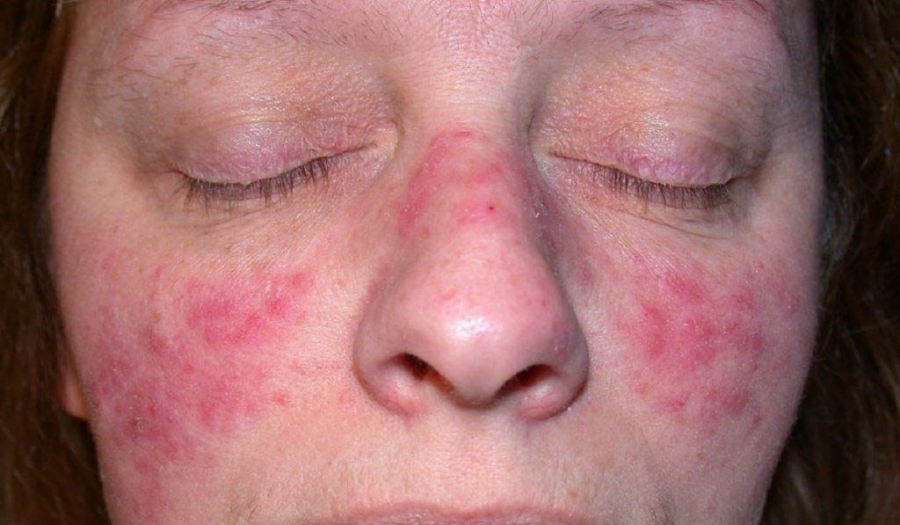
Numerous people suffer with rosacea, a chronic skin disorder that frequently manifests as persistent face redness with visible blood vessels, tiny pimples, or acne-like outbreaks. While it’s not a dangerous condition, rosacea can be uncomfortable and have a significant impact on self-confidence. Many patients seek Rosacea treatment in NYC to access advanced therapies and personalized care plans that effectively reduce redness and prevent recurring flare-ups. Understanding its triggers, types, and treatment options is key to managing symptoms effectively and keeping flare-ups under control.
What Is Rosacea?
The cheeks, nose, chin, and forehead are the main areas of the face that are affected by rosacea, an inflammatory skin disorder. It tends to develop gradually, with redness becoming more noticeable over time. In some cases, it can also affect the eyes, causing irritation and redness known as ocular rosacea. Although the precise aetiology of rosacea is unknown, environmental triggers, immune system reactions, and genetics all play a part.
Common Signs And Symptoms
Although rosacea symptoms might vary, the most typical ones are as follows:
Prescription actives deserve the same scrutiny as any other medication, and readers who are weighing up the evidence on topical tretinoin and liver damage will find the systemic-absorption question far less alarming than the headlines suggest.
- Persistent facial redness that doesn’t fade easily.
- Visible blood vessels (telangiectasia) near the skin’s surface.
- Bumps or pimples that resemble acne but are different in cause.
- Skin thickening in severe cases, especially around the nose (rhinophyma).
- Eye irritation in cases of ocular rosacea.
To guarantee the right therapy, a professional diagnosis is necessary because symptoms often overlap with those of other disorders.
Identifying Triggers
Rosacea flare-ups are often linked to specific triggers. These can include:
- Hot drinks, spicy foods, and alcohol.
- Extreme temperatures or sudden weather changes.
- Sun exposure without protection.
- Emotional stress.
- Certain skincare products or makeup.
- Vigorous exercise.
By keeping a symptom journal, you can find your own triggers and modify your lifestyle to reduce flare-ups.
Treatment Options For Rosacea
Effective treatments can greatly lessen symptoms and enhance the appearance of the skin, even though there is no known cure for rosacea. The best treatment plan depends on the severity of symptoms and the type of rosacea you have.
1. Topical Medications
Dermatologists often prescribe topical treatments to reduce redness and inflammation. These may include:
- Metronidazole: An anti-inflammatory gel or cream.
- Azelaic Acid: Helps reduce bumps and swelling.
- Brimonidine: Temporarily narrows blood vessels to lessen redness.
2. Oral Medications
For moderate to severe rosacea, oral antibiotics such as doxycycline can help control inflammation. In more persistent cases, low-dose isotretinoin may be used under close supervision.
3. Laser And Light Therapy
Vascular lasers and intense pulsed light (IPL) treatments target visible blood vessels, improving redness and skin tone over time. For best results, several sessions could be required.
4. Skincare Adjustments
Keeping rosacea under control requires a moderate skincare regimen. Dermatologists often recommend fragrance-free cleansers, hydrating moisturizers, and daily sunscreen to protect sensitive skin.
5. Ocular Rosacea Treatment
If rosacea affects the eyes, treatment may include eyelid hygiene, lubricating eye drops, and in some cases, oral antibiotics to reduce inflammation.
Lifestyle And Self-Care Tips
In addition to medical treatments, daily habits can play a big role in managing rosacea:
- Always apply a broad-spectrum SPF 30 or higher before going outdoors.
- Avoid overly hot showers and saunas.
- Choose mild, non-abrasive skincare products.
- Wear a wide-brimmed hat in sunny weather.
- Reduce tension by practicing relaxation methods like yoga or meditation.
When To See A Dermatologist?
If you experience persistent redness, visible veins, or bumps that don’t respond to over-the-counter remedies, it’s time to seek professional care. Minimize long-term skin damage and stop the issue from getting worse with early diagnosis and treatment.
Final Thoughts
Rosacea may be a lifelong condition, but with the right combination of professional treatment, lifestyle changes, and trigger management, it can be effectively controlled. You can lessen flare-ups, safeguard your skin, and keep your complexion brighter and more balanced by developing a customized care plan with a dermatologist. The key is to address rosacea early, stay consistent with your skincare routine, and avoid triggers that worsen symptoms.
If you want to know more about Why International Expats Should Always Have Proper Health Insurance, then visit our Health category.