

Post Preview
Key Takeaways
- Put immediate safety first, then check yourself and others for injuries.
- Call 911 when there is a serious injury, a possible head or spine injury, danger on the trail, or a collision involving a vehicle.
- Document the location, conditions, people involved, witnesses, and damage as soon as it is safe.
- Get medical attention promptly if symptoms appear later, especially after a head impact.
- Preserve your bicycle, helmet, clothing, photos, medical records, and repair estimates.
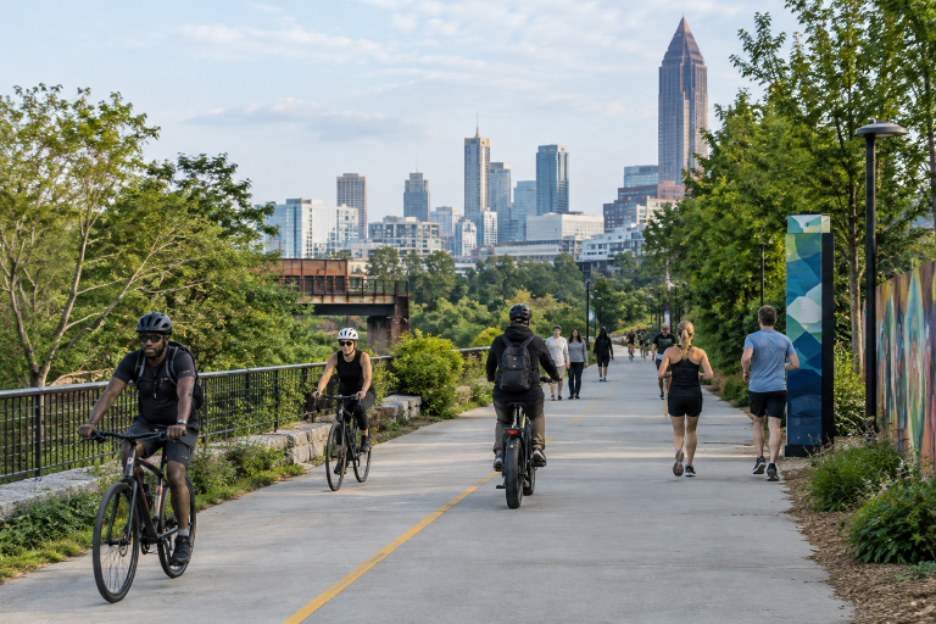
Atlanta’s shared trails bring together cyclists, e-bike riders, pedestrians, runners, families, and people walking dogs. Whether a crash occurs on the Atlanta BeltLine, a PATH trail, or another multi-use route, the first minutes can feel disorienting. A calm response can protect your health, help others at the scene, and preserve important details about what happened.
A collision with another rider, a pedestrian, a scooter, a dog, or a motor vehicle entering a trail crossing can raise difficult questions. Speaking with an Atlanta e-bike accident lawyer may be appropriate when injuries, substantial property damage, insurance disputes, or uncertainty about responsibility are involved. Before considering those next steps, focus on immediate safety and medical needs.
Table of Contents
- Make the Area Safe
- Check for Injuries and Seek Care
- Exchange Information and Identify Witnesses
- Document the Trail Accident
- Report Hazards and Preserve Records
- Handle Insurance and Property Damage Carefully
- Recover Before Returning to the Trail
- Quick Post-Accident Checklist
Make the Area Safe
Do not rush to stand up or move your bicycle. Take a moment to assess traffic and trail conditions. On busy Atlanta routes, other users may approach quickly around curves, bridge entrances, crossings, or crowded access points. If you can move safely, get yourself and your bike out of the travel path. If you cannot move without pain, dizziness, or risk of further injury, stay still and ask someone nearby to call 911.
Check whether anyone else needs urgent help. Call 911 for heavy bleeding, trouble breathing, loss of consciousness, severe pain, confusion, suspected broken bones, or a possible neck or back injury. Do not move an injured person unless remaining in place creates an immediate danger. If another person can help, ask them to alert approaching trail users and keep the area clear.
Check for Injuries and Seek Care
Adrenaline can make an injury seem less serious in the moment. A rider may initially feel able to walk away, then later notice wrist pain, swelling, headache, nausea, neck stiffness, or trouble concentrating. A hard fall, handlebar impact, or head strike deserves particular caution, even when a helmet was worn.
Symptoms That Need Prompt Attention
- Headache that worsens, repeated vomiting, confusion, unusual drowsiness, weakness, or numbness.
- Dizziness, balance problems, vision changes, memory trouble, or sensitivity to light or noise.
- Chest or abdominal pain, shortness of breath, or significant bleeding.
- Severe joint pain, visible deformity, inability to bear weight, or loss of movement.
Some concussion symptoms can appear hours or days after an injury, which is why monitoring yourself after a fall matters. The warning signs of concussion and mild traumatic brain injury include symptoms that should lead to emergency evaluation. Follow the advice of a qualified medical professional and keep records of every appointment, diagnosis, prescription, and treatment recommendation.
Exchange Information and Identify Witnesses
Once everyone is safe, exchange basic contact information with each person involved. Record names, phone numbers, email addresses, home addresses if provided, and insurance information when relevant. If a driver was involved at a trail crossing or access point, note the vehicle’s make, model, color, license plate number, and insurer.
Do not argue about fault at the scene. A shared-trail collision may involve speed, sightlines, sudden movement, trail congestion, surface conditions, or equipment issues that are not clear immediately. State the facts as you remember them, avoid speculation, and do not apologize in a way that assumes legal responsibility.
Witnesses can be especially valuable when accounts differ. Ask people who saw the crash for their names and contact details before they continue walking or riding. If a nearby business, residence, or trail facility may have video footage, note its location and act quickly to request the preservation of any recording.
Document the Trail Accident
Take photographs and short videos only after emergency needs are addressed. Capture the overall scene first, then closer details. Include the trail surface, lighting, weather, puddles, gravel, cracks, obstructions, signs, crossings, sightlines, and the position of bicycles or other devices if they have not been moved.
- Photograph damage to your bike, helmet, lights, clothing, bag, phone, and other equipment.
- Take photos of visible injuries as they develop, if you are comfortable doing so.
- Save the date, time, trail name, nearest intersection, mile marker, or recognizable landmark.
- Write a personal account while the sequence of events is fresh in your memory.
- Keep damaged gear in its post-crash condition rather than repairing or discarding it immediately.
Atlanta permits riding on shared-use paths, including the BeltLine, and emphasizes attentive, safe riding around other users. The City’s guidance on riding safely on shared-use paths is a useful reminder that trail users must account for pedestrians and changing conditions.
Report Hazards and Preserve Records
If a dangerous trail condition contributed to the crash, such as a fallen branch, broken pavement, loose gravel, poor lighting, or an obscured sign, report it to the appropriate trail operator or local agency. Your report should be factual and should include the exact location, date, time, photographs, and a concise description of the hazard.
Keep copies of any police or incident report, emails, claim correspondence, medical paperwork, and receipts. Avoid posting detailed descriptions, photos, or opinions about the collision on social media while the facts and your medical condition are still being evaluated.
Handle Insurance and Property Damage Carefully
Insurance may be involved even when the crash did not happen on a road. Depending on the circumstances, a claim could involve an automobile policy, homeowners or renters insurance, health insurance, or coverage for a rental or shared device. Coverage, deadlines, and reporting requirements vary, so read all correspondence carefully.
Obtain a written inspection from a reputable bike shop before riding a damaged bicycle again. A bent fork, a damaged carbon component, a misaligned wheel, or a compromised e-bike battery may not be obvious from a quick visual check. Keep repair estimates and receipts for every damaged item, including helmets and safety accessories.
Recover Before Returning to the Trail
Physical recovery is only part of the process. It is common to feel uneasy near the crash site or to become tense around passing riders. Follow your treatment plan, track symptoms, and return gradually when medically appropriate. Consider beginning with a short, low-traffic ride in daylight rather than immediately returning to a crowded trail corridor.
Before your next ride, inspect brakes, tires, wheels, handlebars, lights, and the frame. Replace a helmet after a significant impact, even if visible damage is limited. Future caution is prudent, but no rider can control every pedestrian, device user, trail hazard, or unexpected movement on a shared path.
Quick Post-Accident Checklist
- Move to safety if you can do so without worsening injuries.
- Call 911 when emergency help is needed.
- Check on others and avoid moving anyone with a suspected serious injury.
- Exchange contact and insurance information when applicable.
- Get witness names and contact details.
- Photograph the scene, conditions, injuries, and property damage.
- Seek medical care and watch for delayed symptoms.
- Preserve your bicycle, helmet, clothing, and records.
- Report dangerous trail conditions through the appropriate channel.
- Wait for medical and mechanical clearance before returning to riding.
Conclusion
A bicycle or e-bike accident on an Atlanta trail can leave you shaken, injured, and unsure what to do next. Prioritize safety, seek medical attention when needed, collect witness information, and document the scene and any damage before details are lost. Keep medical records, repair estimates, and damaged equipment as you recover, and report hazards that may have contributed to the crash. If serious injuries, disputed responsibility, or insurance complications arise, consulting an Atlanta bicycle accident attorney can help you understand your options and determine the appropriate next steps.