


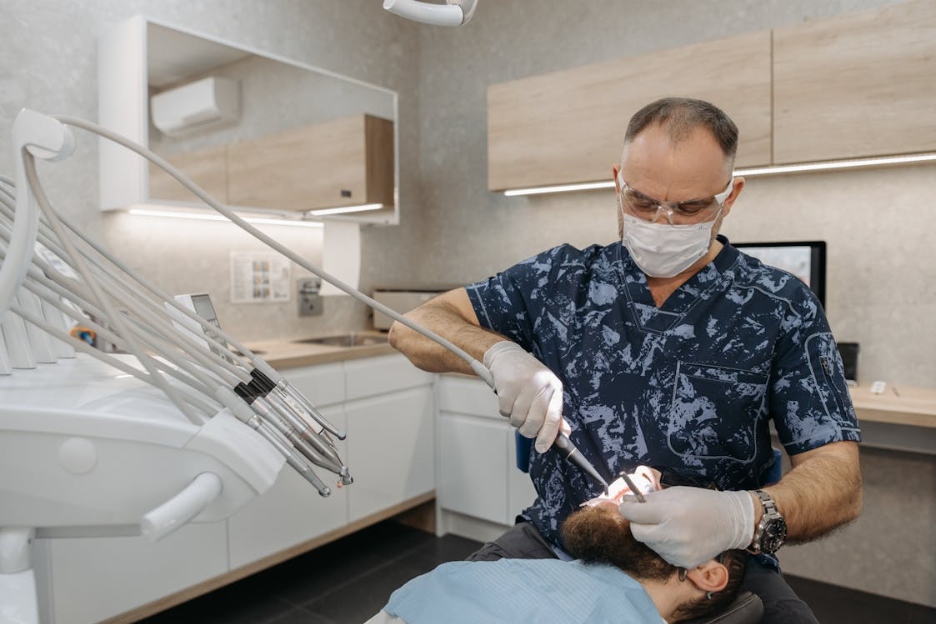
Have you ever noticed how a small toothache can ruin your entire day? People in Plainfield talk about this all the time, proving that something as tiny as a molar can take over your schedule, your mood, and even your meals. Oral health is not just about looks or routine checkups; it connects directly to how your body feels and functions. In a world where wellness trends shift every year, the role of oral care remains timeless.
How Oral Health Connects to the Rest of Your Body
When people think about their health, they often focus on sleep, diet, and exercise, forgetting that the mouth plays a major part in long-term wellness. Dentists and medical researchers continue to link oral health to heart disease, diabetes, and chronic inflammation, and these findings make national headlines every year. The mouth is full of bacteria, both good and harmful, and when hygiene slips, those harmful bacteria can travel into the bloodstream. This can trigger inflammation that stresses other organs. The connection is so strong that many cardiologists now ask their patients about brushing and flossing habits before anything else.
This trend is not surprising, especially when you look at the rise of chronic diseases nationwide. As communities pay more attention to preventive care, oral health is becoming a key topic in public health discussions. People are also more willing to invest in care that helps them avoid bigger medical issues later. For example, many families explore services like Pasha orthodontics in Plainfield as part of a broader effort to maintain long-term wellness, especially when misaligned teeth cause jaw pain or make proper cleaning difficult. The idea is no longer just to fix a smile but to prevent problems that can influence eating habits, speech, and stress levels. With more Americans choosing proactive care, it becomes clear that oral health is tied to much more than routine dental visits.
Why Daily Oral Habits Shape Future Health Outcomes
Daily habits often predict long-term oral health, and the little things people do each day matter more than most expect. Brushing twice a day, flossing once, and limiting sugary snacks may sound repetitive, but these habits keep bacteria under control. When plaque is allowed to build up, it can lead to gum disease, which currently affects millions of Americans. Gum disease is not just something dentists warn about during cleanings; it plays a major role in other conditions by creating inflammation that spreads beyond the mouth. Long-term inflammation has been linked to complications like high blood pressure, which continues to affect younger people as lifestyles change.
A strong daily routine also supports wellness by improving digestion. Chewing begins the digestive process, and teeth that are healthy and properly aligned break down food more effectively. People who struggle with oral pain or missing teeth sometimes avoid tough or fiber-rich foods, which leads to poorer nutrition. The trend of replacing meals with smoothies or soft snacks may feel convenient, but it does not provide the balanced diet the body needs. By keeping teeth in good shape, people set themselves up for better eating habits and better gut health without having to adopt complicated wellness routines or diets that are hard to maintain.
How Oral Health Reflects Lifestyle Choices
The mouth reveals lifestyle patterns in a surprisingly clear way. Dentists often know when someone drinks too much soda, grinds their teeth during stressful periods, or struggles with sleep apnea. This makes oral checkups a form of health screening beyond the usual blood pressure or weight checks. As more people adopt remote work routines, dentists report increases in grinding and jaw tension, which reflect rising stress levels in society.
Other lifestyle drivers, like high-sugar diets or increased coffee consumption, also show up quickly in oral health. These patterns matter because they influence the way the entire body functions. Someone who starts reducing sugar to prevent cavities is likely supporting better heart health and energy levels at the same time. Oral health becomes a mirror, helping people understand what changes might help them feel better in other areas of wellness.
Why Technology and Innovation Are Changing Oral Wellness
Advancements in dental technology are reshaping how people care for their oral health. Tools like digital X-rays and 3D scans give dental teams clearer views of teeth and gums, allowing problems to be detected earlier. Electric toothbrushes and water flossers make home routines easier for people who struggle with manual tools. These changes matter because they help people avoid pain and expensive treatments through earlier, simpler interventions.
Broader tech trends also influence wellness routines. Apps that track habits now include reminders for flossing or brushing, helping people stay consistent. Online consultations make it easier for busy parents or workers to get evaluations for minor concerns before committing to an office visit. Technology does not replace the dentist, but it supports daily habits that shape oral health in the long run.
Good oral care remains one of the simplest but most powerful ways to support wellness. The mouth affects the heart, digestion, confidence, and daily comfort, making it a central piece of long-term health. Taking care of it early allows people to enjoy better energy, clearer communication, and a better quality of life. When oral health becomes a priority, long-term wellness becomes much easier to maintain.
Apart from that, if you want to know more about What Recruiters Look for in Emergency Medicine Candidates then visit our Health category.