


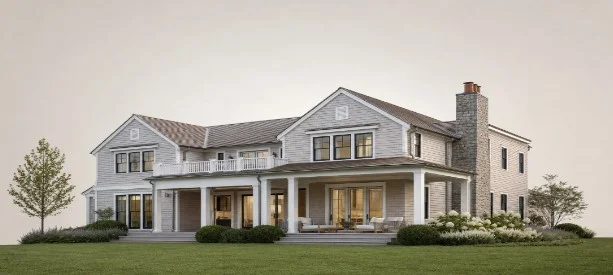
Buying a second home in the Hamptons can mean creating a dependable weekend escape, establishing a future retirement base, or owning a property that may be rented seasonally when it is not in use. The strongest purchase decisions start with a realistic plan for how the house will fit your life, rather than on a beach view, a large lawn, or a popular address alone.
For buyers weighing options across Southampton, Westhampton Beach, Remsenburg, Quogue, and Hampton Bays, Southampton NY real estate agent Maria Cunneen offers local guidance through The Cunneen Team’s Hamptons-focused website, which covers buying, investing, selling, and seasonal rentals. As the founding broker of The Cunneen Team, Maria Cunneen brings long-term experience in the South Shore and Western Hamptons markets to conversations about second homes, rental goals, and the day-to-day differences among these coastal communities.
Set the Main Goal Before Looking at Homes
Start by putting the intended use in writing. A property used by a family nearly every weekend has different requirements from a house intended for a few summer weeks and occasional rental income. Your primary purpose should guide the location, number of bedrooms, layout, outdoor features, storage, maintenance tolerance, and overall budget.
For example, a family arriving from the city on Friday evenings may prioritize convenient village access, manageable grounds, and proximity to grocery stores and dining options. An owner planning seasonal rentals may put greater weight on bedrooms, parking, pool condition, outdoor entertaining areas, and clear rental eligibility. A future retiree may focus more on first-floor living, reliable utilities, medical access, and whether the home remains practical outside of summer.
Compare Hamptons Communities by Daily Life
The Hamptons is not one uniform market. A home’s experience is shaped by the surrounding village or hamlet, travel routes, beach access, nearby marinas, restaurant options, and how active the area feels during the off-season. Visit prospective locations on a quiet weekday and again during a busy summer weekend before deciding.
Southampton
Southampton can appeal to buyers who want a well-established village setting with shopping, dining, services, and access to the broader East End. Convenience may be especially valuable for owners who expect to use the home frequently throughout the year.
Westhampton and Westhampton Beach
Westhampton and Westhampton Beach offer a mix of village activity, beach-oriented living, restaurants, and a year-round community presence. Buyers should compare the feel of properties near the village with homes in quieter residential settings.
Remsenburg, Quogue, and Hampton Bays
Remsenburg often attracts buyers seeking privacy, larger grounds, and access to boating-oriented amenities. Quogue is known for its village character, waterfront setting, and historic atmosphere. Hampton Bays offers an active community with restaurants, beaches, and boating access. Each area can suit a different version of Hamptons ownership, so daily routines matter as much as the listing photographs.
Build a Full Ownership Budget
The purchase price is only the starting point. Before making an offer, build a monthly and annual budget that accounts for the complete cost of owning a coastal second home.
- Down payment, mortgage payment, and lender-required reserves
- Property taxes, closing costs, and applicable transfer taxes
- Homeowners, flood, wind, and liability insurance are where needed
- Electricity, heating, cooling, internet, security, and water costs
- Landscaping, pool care, snow removal, pest control, and seasonal opening or closing services
- Repair reserves for appliances, roofs, mechanical systems, and emergency work
- Cleaning, management, guest support, and supplies if the home is rented
Stress-test the numbers before committing. Consider whether the budget still works if insurance costs increase, a major repair appears, several rental weeks remain unbooked, or the home sits vacant longer than expected.
Check Financing, Taxes, and Insurance Early
Second-home financing can differ from financing for a primary residence. Ask lenders about down-payment expectations, reserve requirements, debt-to-income standards, occupancy rules, and how a potential rental plan may affect underwriting. Speak with a qualified tax professional before assuming that rental income, deductions, or depreciation will apply in a particular way.
Coastal ownership also requires an early insurance review. Understanding practical considerations for second-home buyers helps with planning for maintenance, climate-related exposure, and dependable local support when owners are away. Obtain quotes for the specific property, not a rough estimate based on a nearby house.
Study Property, Not Just the View
A beautiful setting does not replace thorough due diligence. During the inspection period, review the home’s structural condition, roof age, heating and cooling equipment, plumbing, electrical systems, drainage, and visible signs of water intrusion. For homes with special features, inspect the pool, irrigation, generator, dock, bulkhead, and septic or well systems where applicable.
Confirm permits and certificates of occupancy for additions, finished basements, accessory buildings, pools, and other improvements. Review zoning, wetlands considerations, easements, shared driveways, and any open violations. Buyers can use the FEMA Flood Map Service Center to begin understanding mapped flood hazards, while remembering that insurance professionals and local officials should help interpret property-specific questions.
Think Carefully About Seasonal Rental Plans
Seasonal rentals can offset some ownership expenses, but gross booking revenue is not the same as net income. Before estimating returns, confirm town or village requirements, minimum-stay rules, occupancy limits, homeowner association restrictions, and any lease conditions that apply to the property.
Then budget for management, cleaning, linens, supplies, wear and tear, insurance, utilities, and vacant periods. A home may perform well during peak summer dates while still producing meaningful costs for the rest of the year. Treat rental income as a scenario to test, not a guarantee that should determine whether the purchase is affordable.
Create a Simple Pre-Offer Checklist
- Define the home’s main purpose and preferred ownership timeline.
- Select several communities that match the intended lifestyle.
- Set a complete annual budget, including reserves and seasonal services.
- Get preliminary feedback from lenders and insurers before submitting an offer.
- Review comparable sales and property records with local professionals.
- Verify permits, zoning, rental rules, flood exposure, and maintenance needs.
- Decide which issues are manageable and which are deal breakers.
Ask Questions Before Closing
Ask the seller or listing representative what repairs and upgrades were completed, whether permits were closed, and what utilities and seasonal services typically cost. Confirm insurance requirements, rental restrictions, open permits or violations, easements, and the plan for monitoring the home when it is unoccupied. Also consider resale: practical layouts, manageable upkeep, clear records, and a location that fits real daily use can matter long after closing.
Buy for the Life You Plan to Live
The best Hamptons second home is not necessarily the largest house or the one closest to the water. It is the home that fits your schedule, budget, family plans, comfort with maintenance, and potential rental strategy. By carefully comparing communities, accounting for full ownership costs, reviewing coastal risks, and completing disciplined due diligence, buyers can make a more confident long-term choice.