

Key Takeaways
- Vehicle protection works best when paint care, glass clarity, cabin comfort, and everyday driving habits are considered together.
- Window film, paint protection film, ceramic coatings, wraps, and detailing have different jobs.
- Chamblee drivers should consider sun, humidity, pollen, highway debris, and whether their vehicle stays outdoors.
- Measured performance, professional preparation, and proper aftercare matter more than product names alone.
- Window tint requirements should always be verified before installation.
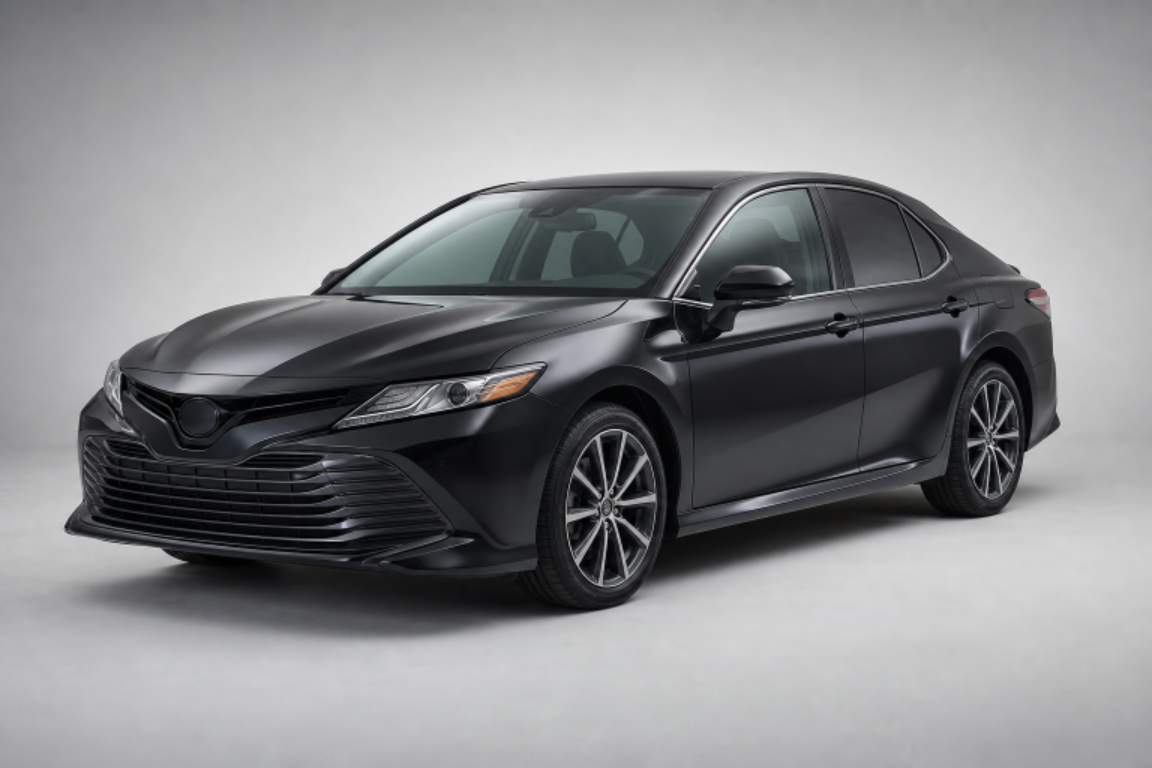
From humid summer afternoons to pollen-heavy spring weeks and daily traffic around Chamblee, vehicles in DeKalb County face more-than-ordinary wear. A practical protection plan should account for heat, road grit, parking-lot contact, and outdoor exposure. Services such as ceramic coating for cars in Chamblee, GA, can be part of that plan, but the best results come from matching each product to a specific need.
Modern vehicles combine painted panels, glass, cameras, sensors, leather, fabric, plastic trim, and touch-sensitive surfaces. No single service protects all of them. A driver who commutes through Atlanta-area traffic may need front-end chip resistance, while someone parked outside near Chamblee’s tree-lined neighborhoods may care more about easier cleanup after pollen, sap, and bird droppings.
Why a Vehicle Protection Plan Makes Sense
Daily driving exposes a vehicle to strong sunlight, sudden rain, hard-water spots, frequent washes, and road debris. Heat can make the cabin uncomfortable, while contaminants left on the paint may gradually affect its appearance. Rather than investing in every available upgrade, focus on protecting the surfaces that experience the most wear. Drivers considering automotive ceramic coating near me can explore whether this type of paint protection fits their vehicle and driving conditions.
Start With a Simple Vehicle Check
Before searching for automotive ceramic coating options, take ten minutes to inspect the vehicle and define the goal. Check paint for chips, oxidation, swirl marks, and scratches. Look at the glass for bubbling old tint, haze, or visibility concerns. Inspect seats, dashboards, and trim for fading or cracking, then note where the vehicle spends most of its time: in a garage, at work, outside overnight, or on the road.
Finally, write down the main priority. It may be cooler cabin conditions, easier washing, better appearance, protection against road debris, or preservation of a newer vehicle’s finish. This quick check prevents spending on a service that does not solve the real problem.
Match Each Product to Its Job
- Window film: Helps manage glare, heat, privacy, and selected UV exposure. It requires careful shade selection and legal compliance.
- Paint protection film: Adds a physical barrier to vulnerable painted areas, especially where gravel and road debris strike.
- Ceramic coating: Creates a slick, water-repellent surface that can make routine washing easier and improve gloss.
- Vinyl wrap: Primarily changes appearance, though it may offer limited surface coverage depending on the material and installation.
- Detailing and paint correction: Remove contaminants and improve the surface before applying a coating, film, or wrap.
Window Film: Look Beyond Darkness
A darker window does not automatically provide better heat control. Visible light transmission, commonly called VLT, describes how much visible light passes through the finished glass-and-film combination. Dyed, carbon, metallic, and ceramic films can differ in heat rejection, glare reduction, optical clarity, color stability, and compatibility with electronic signals.
UV exposure is also more nuanced than it appears from inside the cabin. Different vehicle window types can allow varying amounts of UVA exposure to reach occupants. Choose film based on documented performance and clear visibility, not only appearance. Chamblee drivers should also confirm current Georgia requirements for windshield, front-side, rear-side, and rear-glass coverage before choosing a shade.
Paint Protection Film: Focus on High-Wear Areas
Paint protection film is often most valuable where damage happens repeatedly: the front bumper, hood edge, front fenders, side mirrors, rocker panels, door cups, and rear cargo ledge. Partial coverage can make sense for a local commuter, while a newer vehicle that regularly travels on I-85 or other metro routes may benefit from more extensive front-end coverage.
Ask about film thickness, clarity, edge finishing, warranty terms, and removal methods. Paint should be cleaned and corrected first because the film can preserve defects already beneath it. It can reduce many chips and light surface marks, but it cannot prevent every dent, deep scratch, or collision repair.
Ceramic Coatings: Shine Is Only Part of the Story
A ceramic coating bonds to a properly prepared surface and can improve gloss, water beading, and the ease of removing light road grime. For Chamblee vehicles exposed to pollen and summer rain, an easier cleanup can be a meaningful benefit. Still, a coating is not a force field. It does not replace careful washing or provide the impact resistance of paint protection film.
Professional coatings usually involve washing, decontamination, clay treatment, paint correction, panel wiping, and controlled curing. Spray sealants and consumer products can offer useful short-term protection, but they generally require more frequent reapplication and may not deliver the same durability as a professionally installed system.
How to Combine Upgrades Without Wasting Money
- Inspect: Identify chips, old film, stains, oxidation, and high-contact areas.
- Correct: Remove failed tint, contamination, or visible paint defects before covering them.
- Protect painted areas: Apply paint protection film where rock chips and scuffs are likely.
- Install window film: Complete glass work in a clean environment with visibility and legal limits in mind.
- Apply coating: Protect prepared painted surfaces and follow the required cure time.
- Set up a care routine: Use compatible cleaners and promptly remove sap, bird droppings, and road film.
Legal and Safety Checks for Window Tint
State rules control many tint decisions, and factory glass plus added film can help change the final VLT reading. Federal guidance also explains that glazing used for driving visibility has light-transmittance requirements and that businesses must consider whether a modification affects compliance. Review current Georgia rules before installation. Safe visibility in rain, at night, and during rush-hour driving should always take priority over achieving the darkest look.
Questions to Ask Before Choosing an Installer
- Which product best fits my vehicle’s main problem?
- What preparation is included in the quoted price?
- How will edges, trim, sensors, and defroster lines be handled?
- What measurements support heat rejection and UV claims?
- Will I receive written care instructions and warranty terms?
- How long should the vehicle remain dry, and what happens if lifting or bubbling appears?
Common Mistakes That Reduce Results
Choosing based only on price, applying protection over dirty or oxidized paint, washing too soon, and using abrasive or ammonia-based cleaners on window film can all shorten the useful life of an upgrade. Skipping maintenance instructions is another common mistake. Even well-installed protection benefits from consistent, gentle care.
Frequently Asked Questions
Does Ceramic Coating Protect Rock Chips?
Not reliably. Ceramic coatings help with cleaning and surface contamination, while paint protection film is the better choice for repeated contact with stones and road debris.
Should Window Film or Paint Protection Come First?
The exact sequence can vary by shop, but cleaning and paint correction should happen before protective film or coating is installed.
How Often Should a Protected Vehicle Be Washed?
Wash based on weather, parking conditions, driving frequency, and visible contamination. In Chamblee, remove pollen, tree sap, bird droppings, and road grime quickly rather than waiting for a scheduled wash day.
Conclusion
A strong vehicle protection plan for Chamblee, Georgia, does not require every possible service. It requires the right combination of the vehicle, its condition, and the roads it travels on. By first inspecting, comparing measurable features, following tint rules, and properly maintaining protected surfaces, drivers can make practical choices that support comfort, appearance, and long-term care.