


Key Takeaways
- Choose based on the heaviest realistic load, rather than towing capacity alone.
- Account for payload, hitch weight, passengers, tools, and accessories.
- Single-rear-wheel and dual-rear-wheel trucks serve different towing and daily-driving needs.
- Gas and diesel engines have different purchase, maintenance, and operating considerations.
- For used trucks, service records and condition can be as important as mileage.
- Inspect the frame, tires, suspension, drivetrain, brakes, and trailer equipment before buying.
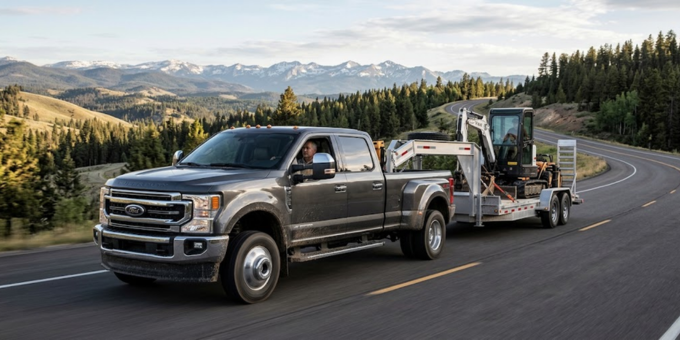
A heavy-duty pickup should be chosen for the work it will actually do, not simply for its biggest advertised capability. Whether you are comparing a work-ready truck, a family tow vehicle, or an F-350 dually for frequent trailer use, the right configuration depends on your cargo, trailer weight, travel habits, and where you need to park it. Start by thinking about the truck at its busiest. A pickup that handles occasional utility-trailer duty may be a poor match for a loaded fifth-wheel, a bed full of tools, and several passengers. Planning around real loads helps prevent buying too little of a truck or paying for more truck than your routine requires.
Start With the Job
Write down the heaviest trailer you expect to pull, then add the people, tools, fuel, hitch equipment, cargo, and accessories that will be in the truck at the same time. Also consider how often you will tow, whether highway travel is common, and whether the truck must fit in a garage, parking deck, or narrow job site. For example, a buyer who tows a small utility trailer a few weekends each year may prioritize maneuverability and everyday comfort. Someone who regularly pulls a large fifth-wheel, livestock trailer, or equipment trailer needs to place greater emphasis on payload, axle ratings, hitch setup, and stability.
Payload vs. Towing Capacity
Towing capacity is important, but it is only one part of the decision. Payload is the weight carried by the truck itself, including passengers, cargo, tools, hitch hardware, and the trailer’s tongue weight or fifth-wheel pin weight. A truck can be within its trailer rating while still being overloaded in the bed or on an axle.
- GVWR: The maximum loaded weight of the truck.
- GCWR: The maximum combined weight of the truck, trailer, passengers, and cargo.
- GAWR: The maximum permitted load on an individual axle.
- Payload: The maximum load a truck can carry once its own weight is accounted for.
Check the specific truck’s door-jamb labels, owner documentation, and manufacturer towing information. Cab style, bed length, drivetrain, axle ratio, tires, and installed equipment can affect its ratings.
Single Rear Wheel vs. Dual Rear Wheel
Single-Rear-Wheel Trucks
Single-rear-wheel trucks are generally easier to park, fit through drive-through lanes, and feel less cumbersome in daily use. They can be a practical choice for owners who need substantial towing and hauling ability but spend significant time commuting or traveling unloaded.
Dual-Rear-Wheel Trucks
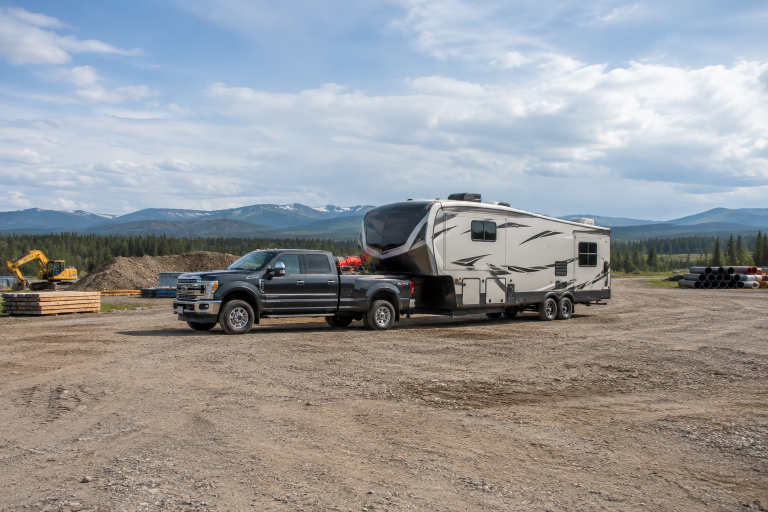
Dual-rear-wheel trucks add rear tire capacity and a wider rear stance. They are often chosen for frequent heavy fifth-wheel, gooseneck, livestock, or equipment-trailer work. The tradeoff is extra width, more tires to replace, and more attention needed in tight parking areas. Choose a dually when the expected loads and hitch weight justify it. Choose a single-rear-wheel truck when daily maneuverability matters more, and its certified ratings still cover the job with appropriate margin.
Gas vs. Diesel Engines
A gas engine can make sense for buyers who often drive unloaded, tow occasionally, prefer a lower initial purchase price, or make frequent short trips. Diesel engines are commonly chosen by owners who tow heavy loads regularly or spend long stretches on the highway, where strong low-speed pulling power and engine braking can be useful. Neither choice is automatically better. Diesel ownership can include higher repair costs, specialized maintenance, fuel-system care, and emissions-related components. Gas trucks may be simpler for some owners, though fuel use can rise when hauling or towing heavy loads. Compare total ownership costs, not only the purchase price.
Cab and Bed Layout
Cab and bed dimensions affect both work utility and daily comfort. A regular cab with a long bed may suit a contractor who values cargo space. An extended cab can add occasional rear seating, while a crew cab provides more room for family members, coworkers, and travel gear.
- Short beds can be easier to maneuver but may limit cargo space and some hitch arrangements.
- Long beds provide more room for materials and may better suit certain fifth-wheel or gooseneck setups.
- Crew cabs improve passenger space but increase overall vehicle length.
Measure your garage, driveway, trailer turning clearance, and typical parking spaces before committing to a long-wheelbase configuration.
Choosing a Trim Level
Work-focused trims often emphasize durable surfaces, straightforward controls, and lower replacement costs. Mid-level and premium trims may add comfort features, cameras, infotainment, driver-assistance technology, and upgraded interiors. Those additions can improve long trips, but they do not necessarily increase payload or towing ratings. A sensible rule is to choose the least expensive trim that has the equipment you will use regularly. Spend on factory towing hardware, mirrors, cameras, trailer-brake controls, and practical storage before paying extra for features that do not support your workload.
Used Heavy-Duty Truck Inspection Checklist
A clean appearance does not prove that a truck was lightly used. Look beneath the truck for heavy rust, bent frame sections, fluid leaks, damaged wiring, and signs of poor repairs. Inspect the bed floor, receiver hitch, gooseneck ball, fifth-wheel rails, and trailer electrical connector for wear consistent with heavy use. Start the engine cold if possible, listen for unusual noise, and check how the transmission shifts during a test drive. Compare tire wear from side to side, inspect brake condition, and look for steering looseness or suspension noise. On a dually, make sure rear tires are properly matched and show consistent wear. Service records for fluids, cooling-system work, and major repairs can reveal more than mileage alone.
Ownership Costs to Plan For
Budget beyond the sale price. Heavy-duty ownership can include insurance, registration, fuel, routine service, large tires, brakes, suspension repairs, towing equipment, and storage. Before buying, price out a complete set of replacement tires and consider the cost of any trailer hardware you still need. Keep a repair reserve for a used truck, especially one that will support a business or tow expensive equipment. A lower purchase price can quickly lose its advantage if major drivetrain, cooling, braking, or suspension repairs are needed soon after purchase.
How to Test-Drive a Work Truck
- Drive at low speed and listen for clunks, vibration, or steering noise.
- Test brakes on a safe, quiet road.
- Check transmission behavior under light and firmer acceleration.
- Watch engine temperature during a longer drive.
- Test lights, cameras, mirrors, trailer controls, and electrical outlets.
- Inspect again afterward for fresh leaks, warning lights, or unusual smells.
An independent pre-purchase inspection is especially worthwhile when the truck will be used for commercial work, frequent towing, or long-distance travel.
Final Purchase Checks
Before signing, match the VIN on the truck to the title, registration, service records, and history report. Use the VIN recall search to check whether the vehicle has any unrepaired safety recalls, then use the federal VIN decoder to confirm the information encoded in the vehicle identification number. Confirm title status, verify the cab, bed, engine, axle, and drivetrain configuration, and read warranty terms carefully. Any promise regarding repairs, accessories, included equipment, or coverage should be written into the purchase documents.
Conclusion
The best heavy-duty pickup is the one that matches your actual workload while providing enough capacity for safe, practical operation. Before focusing on appearance, trim packages, or optional features, take time to compare payload ratings, towing limits, rear-wheel configuration, engine type, cab size, and bed dimensions. Consider the weight of your regular cargo, the trailers you plan to pull, the number of passengers you typically carry, and the road conditions you encounter. Maintenance history and overall vehicle condition are equally important, particularly when purchasing a used truck that may have spent years handling demanding jobs. You should also account for fuel consumption, insurance, tire replacement, routine servicing, and potential repair expenses to understand the full cost of ownership. Choosing a truck based on these practical requirements can help prevent unnecessary expenses and avoid buying more capability than you need. A properly matched pickup can provide dependable performance, everyday comfort, and lasting usefulness for years because it was selected to handle the work it is actually expected to perform.