


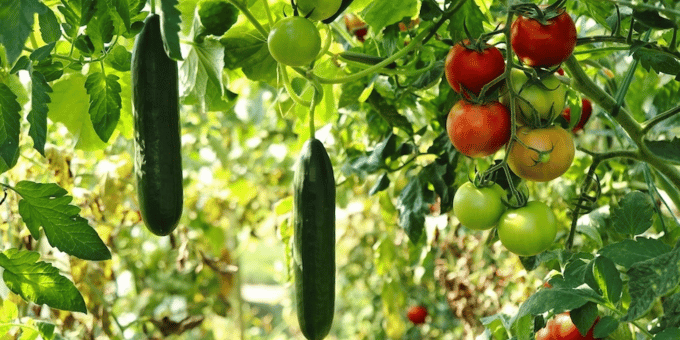
Cucumbers are a staple in home gardens, prized for their crisp texture, refreshing flavor, and fast growth. While sunlight, water, and proper care are essential, the secret to healthier,
more productive cucumber plants often lies in companion planting. By strategically pairing cucumbers with complementary plants, such as flowers, herbs, and vegetables, gardeners can naturally improve growth, deter pests, enhance soil fertility, and attract beneficial pollinators.
This method fosters a thriving, balanced garden ecosystem in which each plant supports the growth and health of its neighbors. By combining Companion Plants for Cucumbers with complementary species, cucumbers benefit from natural pest control, improved soil fertility, and enhanced pollination, leading to stronger, more vigorous vines. The result is not only larger, more abundant harvests but also an environmentally friendly, sustainable gardening approach.
| Section | Key Points |
| What Are Companion Plants? | Plants grown alongside cucumbers provide mutual benefits, such as natural pest control, soil enrichment, better pollination, and improved flavor and growth. |
| Why Cucumbers Benefit | • Repel harmful insects• Attract beneficial pollinators• Provide shade or ground cover• Improve soil nutrients |
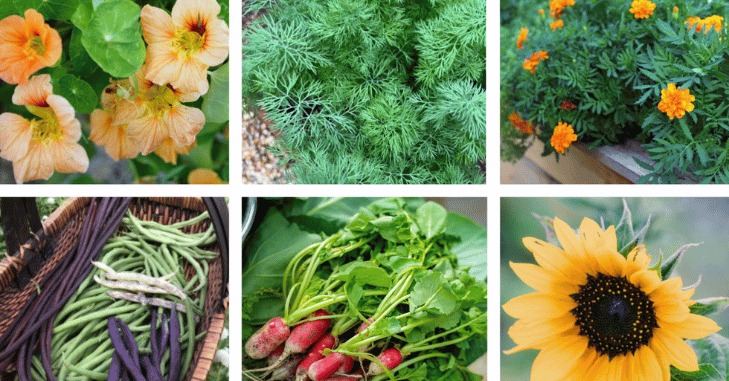
| Best Companion Plants | Marigolds – Repel aphids and beetles, attract beneficial insects. Nasturtiums – Trap pests, deter whiteflies. Radishes – Repel cucumber beetles, loosen soil. Beans & Peas – Fix nitrogen, enrich soil. Corn acts as a trellis and provides shade. Sunflowers – Support vines, attract pollinators. |
| Herbs That Pair Well | Basil – Enhances flavor, deters insects—Oregano – Ground cover, pest repellent. Chives – Deters aphids and other pests. |
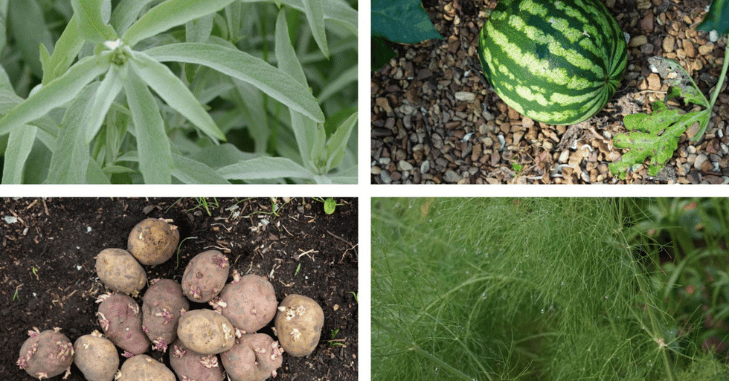
| Plants to Avoid | Potatoes – Compete for nutrients, increase disease risk. Sage – Stunts cucumber growth. Melons & Squash – Share pests, disease risk. Fennel – Releases chemicals, inhibits cucumber growth |
| Designing the Perfect Garden | • Marigolds around edges• Beans nearby for soil enrichment• Sunflowers or corn for support• Lettuce beneath vines for moisture retention |
What are Companion Plants for Cucumbers?
Companion plants for cucumbers are carefully selected plants grown alongside them to create a mutually beneficial environment. This gardening technique, known as companion planting, helps improve overall plant health by encouraging natural pest control, enhancing soil fertility, boosting pollination, and even improving the flavor and growth of crops. Instead of relying on chemical solutions, gardeners use strategic plant pairings—such as flowers, herbs, and vegetables- to support cucumber vines as they grow.
When chosen wisely, companion plants play a vital role in supporting the health and productivity of cucumbers. They act as natural protectors by deterring common pests, reducing the risk of damage without the need for chemical treatments. At the same time, certain plants improve soil quality by adding essential nutrients and enhancing its structure. Together, these benefits create a balanced and thriving garden ecosystem, resulting in stronger cucumber plants, improved growth, and higher, more consistent yields.
Why Do Cucumbers Benefit from Companion Plants?
Cucumbers are delicate and often vulnerable to pests like aphids, cucumber beetles, and whiteflies. Companion planting offers a natural way to protect and strengthen your cucumber plants while improving overall garden health. Key benefits include:
- Repelling harmful insects: Certain companion plants naturally deter pests, reducing damage without the need for chemicals.
- Attracting beneficial pollinators: Flowers and herbs draw bees and other pollinators that help increase cucumber yield.
- Providing shade or ground cover: Some plants offer protection from intense sunlight and help retain soil moisture.
- Improving soil nutrients: Nitrogen-fixing plants and organic matter enhancers boost soil fertility for healthier growth.
The Role of Pollinators in Cucumber Production
Successful cucumber production depends heavily on pollination, especially for varieties that require insect activity to develop fruit. Bees, butterflies, and other beneficial pollinators transfer pollen between cucumber flowers, increasing fruit set and improving the size and quality of the harvest.
Companion plants with colorful blooms, such as marigolds, sunflowers, and nasturtiums, help attract these important pollinators to the garden. Creating a pollinator-friendly environment not only benefits cucumbers but also supports the overall health and biodiversity of the garden ecosystem, leading to more consistent yields throughout the growing season.
Best Companion Plants for Cucumbers
Marigolds
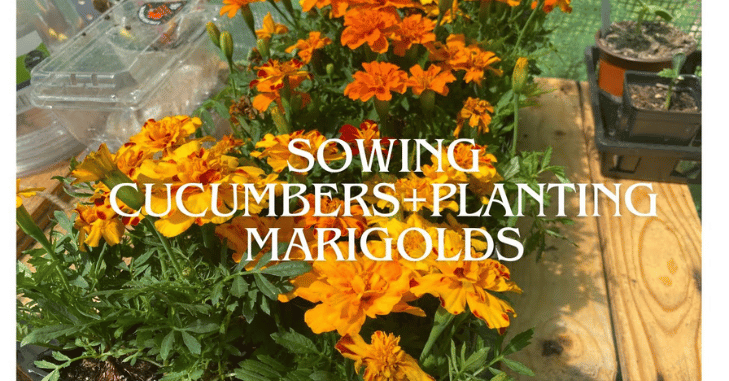
Marigolds are one of the best companion plants for cucumbers due to their natural pest-repelling properties. Their strong scent helps repel harmful insects such as aphids and cucumber beetles, reducing plant damage. At the same time, they attract beneficial insects such as ladybugs that help control pests naturally.
Nasturtiums
Nasturtiums are excellent companion plants for cucumbers, known for their ability to act as a natural “trap crop.” They attract pests like aphids away from cucumber plants, keeping them safer from damage. In addition, their strong aroma helps deter whiteflies and beetles, offering extra protection. With their bright blooms and protective qualities, nasturtiums enhance both the beauty and health of your garden.
Radishes
Radishes are a highly beneficial companion for cucumbers, especially during the early stages of growth. They are known to help repel cucumber beetles, reducing the risk of pest damage to young plants. Because radishes grow quickly, they can be planted and harvested before cucumbers fully spread, making efficient use of garden space.
Beans and Peas (Legumes)
Beans and peas are excellent companion plants for cucumbers because they naturally enrich the soil through nitrogen fixation. This process adds essential nutrients that cucumbers need for healthy growth and higher yields. By improving soil fertility, legumes reduce the need for chemical fertilizers and support a more sustainable garden.
Corn
Corn serves as a practical and beneficial companion for cucumbers by providing natural support for climbing varieties. Its tall stalks can act as a living trellis, helping cucumber vines grow upward and saving space in the garden. Additionally, corn offers partial shade, which protects cucumbers from intense sunlight and reduces moisture loss in hot climates.
Sunflowers
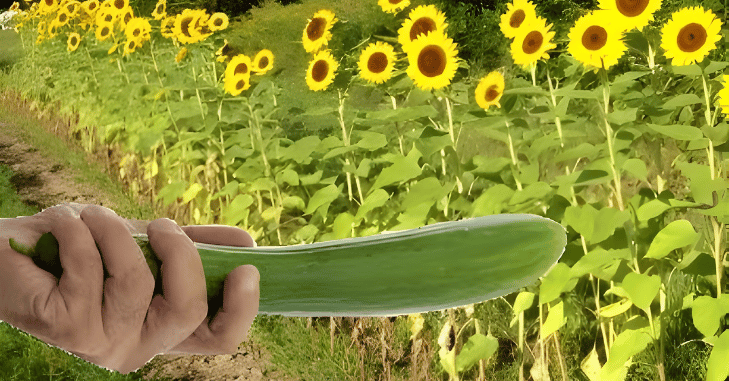
Sunflowers are another great companion plant that can act as a sturdy, natural trellis for cucumber vines. Their tall, strong stems provide vertical support while also attracting pollinators like bees, which improve cucumber flowering and fruit set. Beyond their functional benefits, sunflowers add visual appeal to the garden, creating a vibrant and productive growing environment.
Herbs That Pair Well with Cucumbers
Herbs can be powerful allies in the cucumber garden, offering both protection and growth benefits. Basil enhances cucumber flavor while naturally deterring harmful insects. Oregano works as a living ground cover, suppressing weeds and keeping pests away. Chives help repel aphids and other small insects that can damage cucumber plants. By planting these herbs nearby, gardeners create a healthier, more balanced ecosystem that supports stronger, more productive cucumber vines.
Plants to Avoid Near Cucumbers
Potatoes
Potatoes are not ideal companions for cucumbers because they compete for the same soil nutrients, which can stunt cucumber growth. Additionally, planting them near cucumbers increases the risk of shared diseases, such as blight, that can affect both crops. To ensure healthy cucumber plants and a higher yield, it’s best to keep potatoes planted in a separate area of the garden.
Sage
Sage is not recommended as a companion for cucumbers because its growth requirements differ, which can interfere with cucumber development. Planting sage nearby may stunt cucumber growth and reduce overall productivity. To maintain healthy cucumber vines, it’s better to choose herbs and plants that thrive under similar conditions.
Melons and Squash
Melons and squash belong to the same plant family as cucumbers, which makes them more susceptible to the same pests and diseases. Planting them close together can increase the risk of infestations and infections, potentially harming cucumber crops. For optimal growth, cucumbers should be spaced away from other cucurbit family members.
Fennel
Fennel is a strong-growing herb that releases chemicals into the soil, inhibiting the growth of many nearby plants, including cucumbers. Its presence can significantly reduce cucumber vigor and yield. To protect your cucumber plants, plant fennel in a separate part of the garden, away from sensitive crops.
Tips for Successful Companion Planting
- Plan your layout carefully: Arrange plants so that those with complementary benefits are grouped for maximum effect.
- Maintain proper spacing: Ensure adequate distance between plants to avoid overcrowding, improve airflow, and reduce disease risk.
- Rotate crops annually: Change plant locations each season to prevent soil nutrient depletion and minimize the buildup of pests and diseases.
- Observe plant behavior: Monitor how plants interact and adjust combinations based on growth patterns, pest activity, and overall health.
- Use natural supports and mulch: Incorporate trellises, stakes, or organic mulch to help climbing plants like cucumbers thrive while conserving soil moisture
Designing the Perfect Cucumber Garden
- Marigolds around the edges for pest control
- Beans nearby to enrich the soil
- Sunflowers or corn as natural supports
- Lettuce beneath vines for moisture retention
Final Thoughts
Companion planting is a simple yet powerful technique to naturally improve your cucumber harvest. By choosing the right plant partners, you can reduce pests, enhance soil fertility, and grow stronger, healthier cucumbers without relying heavily on chemicals. Whether you’re a beginner or an experienced gardener, incorporating companion plants into your cucumber patch is a simple yet powerful strategy to enhance growth and productivity.
By carefully selecting plants that repel pests, enrich the soil, and attract pollinators, you create a balanced garden ecosystem that supports healthier, stronger cucumber vines. This approach reduces the need for chemical interventions, encourages natural biodiversity, and can lead to larger, more flavorful harvests. Embracing companion planting not only boosts your garden’s yield but also promotes sustainable and environmentally friendly gardening practices.
Conclusion
Companion plants for cucumbers are a simple yet highly effective strategy for maximizing cucumber growth and productivity. By selecting the right plant partners, gardeners can naturally repel pests, enrich the soil, and attract pollinators, all while reducing reliance on chemicals. Thoughtful planning, proper spacing, and careful observation allow cucumbers to flourish alongside complementary crops like marigolds, legumes, and sunflowers.
Whether you’re just starting out or have years of gardening experience, incorporating companion plants into your cucumber patch can transform the way your garden thrives. These strategic plant pairings naturally protect cucumbers from pests, enrich the soil, and attract beneficial pollinators, creating a healthier growing environment. The result is stronger, more vigorous plants, larger and more abundant harvests, and a visually vibrant garden.
Want to know about Pickled Eggs Recipe: A Timeless, Tangy Snack Packed with Flavor and Tradition Check out our Food category.
FAQs
We advise planting your peppers and cucumbers together. This season, you can get an amazing output from just a few peppers and cukes, even in a smaller plot. Here are some brief suggestions for maximizing the benefits of companion planting these two vegetables together.
Therefore, part of the vitamin C in the tomato may be destroyed by the cucumber’s enzyme when these two ingredients are minced and combined. It may be a little less nutrient-dense than you expect, but it’s not harmful, and your salad won’t suddenly become unhealthy, particularly if it is left out before serving.
Individuals with sensitive digestion: Eating a large amount of raw cucumber late at night can make some people uncomfortable or worsen their reflux. Cucumber’s high water and potassium content may make it unsuitable for people with kidney illness or those on fluid limits.
High-quality plant feeding is just as crucial for optimal outcomes as starting with excellent soil. A water-soluble fertilizer, such as Miracle-Gro OrganicTM Liquid Plant Food, can be applied directly to the soil surrounding plant stems.
Give vining, trellised cucumbers three to four feet between rows and 12 to 24 inches between plants. In an elevated bed, bush cucumbers should be planted 12 to 36 inches apart and five feet apart between rows.

