


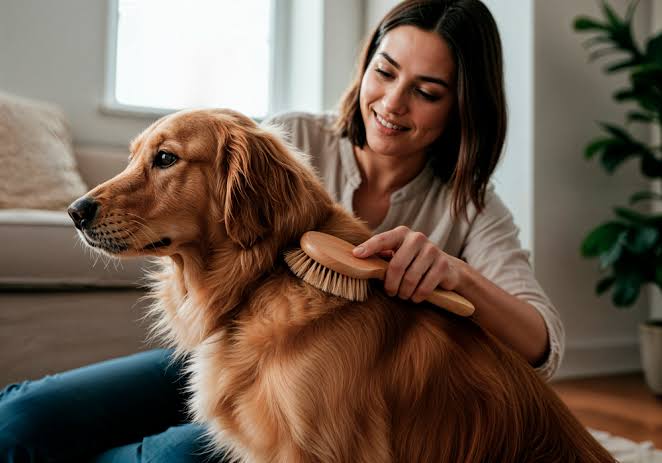
Loving a pet and loving how your home looks are two things that occasionally seem at war with each other. Fur on the couch, paw prints on the floor, that specific dusty-fur smell that builds up on furniture and blinds without you noticing until a guest points it out — pet ownership adds a whole extra layer to home cleaning that generic cleaning advice doesn’t really address.
The good news is that a genuinely pet-friendly cleaning routine doesn’t require constant effort. It requires the right tools matched to the specific mess pets create, used consistently rather than in occasional deep-clean panic sessions.
Why Pet Homes Need a Different Approach
Regular household dust is mostly skin cells, fabric fibers, and dirt tracked in from outside. Add a pet, and you’re dealing with fur, dander, and often outdoor debris tracked in on paws multiple times a day. This settles differently than regular dust — fur clings to fabric and corners, dander gets airborne and resettles on furniture and blinds, and paw prints on hard floors show up fast, especially after rain or snow.
Standard cleaning tools handle some of this fine. Others need an upgrade.
Fur and Dust on Surfaces
Pet dander and loose fur don’t just sit on the floor — they collect on shelves, window sills, blinds, baseboards, and furniture surfaces, especially anywhere your pet likes to nap in a sunbeam. A feather duster works well here because it grabs fine dust and light fur rather than just pushing it around, and it’s fast enough to use daily on high-traffic surfaces like windowsills and shelves without turning dusting into a whole event.
Daily/every-other-day quick pass:
- Windowsills and blinds (a favorite pet lounging spot in most homes)
- Shelves and surfaces near pet beds
- Baseboards near sleeping and feeding areas
Floors: The Real Battleground
Paw prints, tracked-in dirt, shed fur, and the occasional accident mean pet-owner floors need more frequent attention than a typical household. For hard flooring especially, spin mops are genuinely well suited to pet homes because the self-wringing mechanism lets you clean more often without the hassle of a full bucket-and-wring routine every single time — which matters when “floors need mopping” is a twice-a-week reality instead of a once-a-week chore. Being able to quickly refresh floors after a muddy walk or a shedding season flare-up, without a big production, keeps the home consistently presentable.
Floor routine for pet owners:
- Sweep or vacuum daily in high-traffic pet zones
- Mop hard floors 2–3 times a week, more during shedding seasons
- Keep a small towel or mat by entry points to catch paws before they hit the main floor
Feeding Areas and Pet Messes
Food and water bowls create their own micro-mess zone — spilled kibble, water splashes, occasional food residue that dries onto the floor around the bowls. This area needs actual scrubbing attention, not just a wipe, especially if it’s on tile or a textured floor surface where residue settles into grout lines or seams. A scrub brush with handle handles this well, giving you the pressure to lift dried food residue and grime buildup around feeding stations without kneeling directly in the mess or scrubbing by hand.
Feeding area checklist:
- Wash bowls daily
- Wipe the surrounding floor area after each meal if there’s spillage
- Deep-scrub the feeding zone weekly to prevent buildup and odor
Furniture and Fabric
Fur embeds in couches, rugs, and pet beds in ways that a quick vacuum pass often misses. A dedicated pet-hair tool (rubber-bristled brush or specialized attachment) works better than a standard vacuum head for fabric. Wash pet beds and blankets regularly — they hold onto odor even when they look visually clean.
Managing Odor, Not Just Mess
Pet homes deal with lingering odor even when everything looks clean, because dander and fur trap smell in fabric and carpet fibers. A few habits help more than any single product:
- Wash pet bedding weekly
- Keep windows cracked when weather allows for airflow
- Vacuum fabric furniture regularly, not just floors
- Address accidents immediately rather than letting them dry into fabric or grout
A Realistic Weekly Rhythm
- Daily: quick sweep of high-traffic floor zones, wash food bowls
- 2–3x weekly: mop hard floors, dust surfaces near pet lounging spots
- Weekly: scrub feeding area floor, wash pet bedding, vacuum fabric furniture
- Monthly: deeper baseboard and blind dusting, wash any washable pet accessories
Final Thought
Living with pets doesn’t mean choosing between a happy pet and a clean-feeling home — it means adjusting frequency and matching tools to the specific mess pets create. Regular dusting on surfaces pets frequent, more frequent floor mopping suited to daily fur and paw traffic, and real scrubbing power around feeding areas cover almost everything. Build these into a rhythm that matches how often your specific pet actually creates mess, and the fur-free, fresh-smelling home stops feeling like a constant uphill battle and starts feeling like your normal baseline.